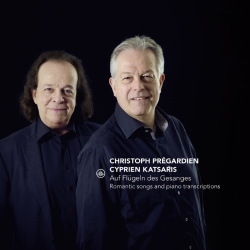
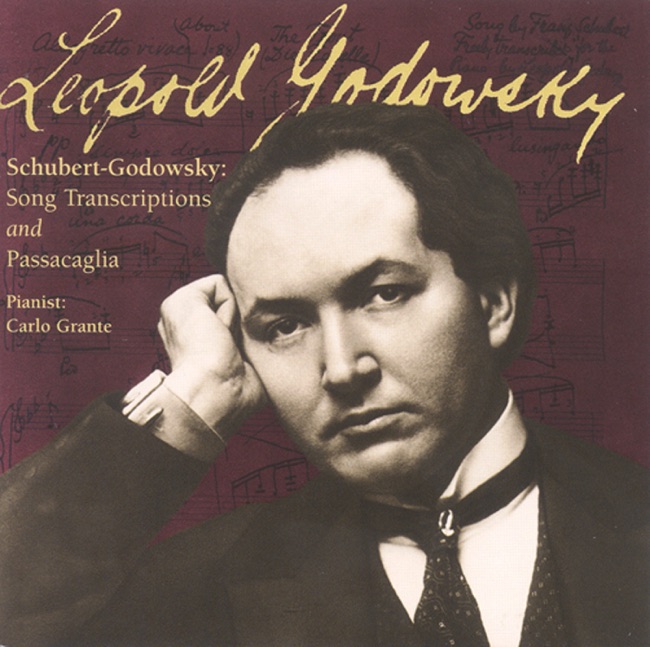
Leopold Godowsky
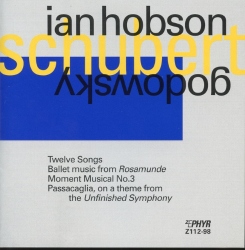
Schubert Songs (12)
Released Album
Recent Album

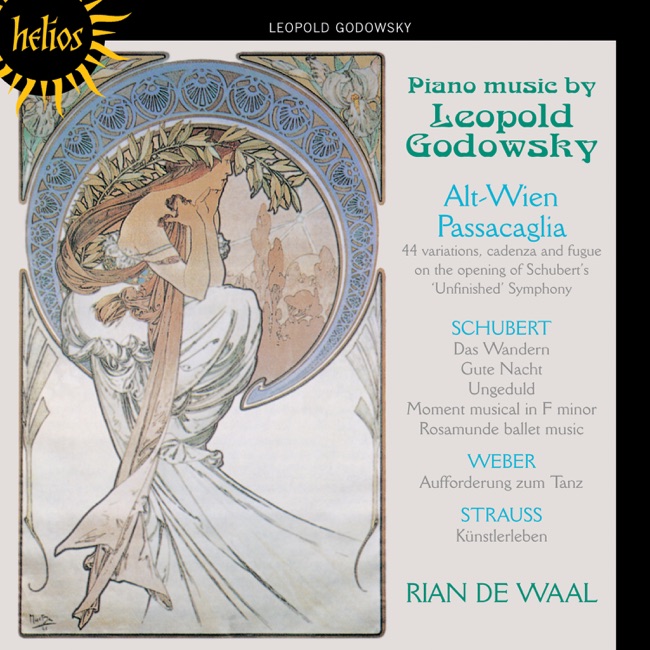

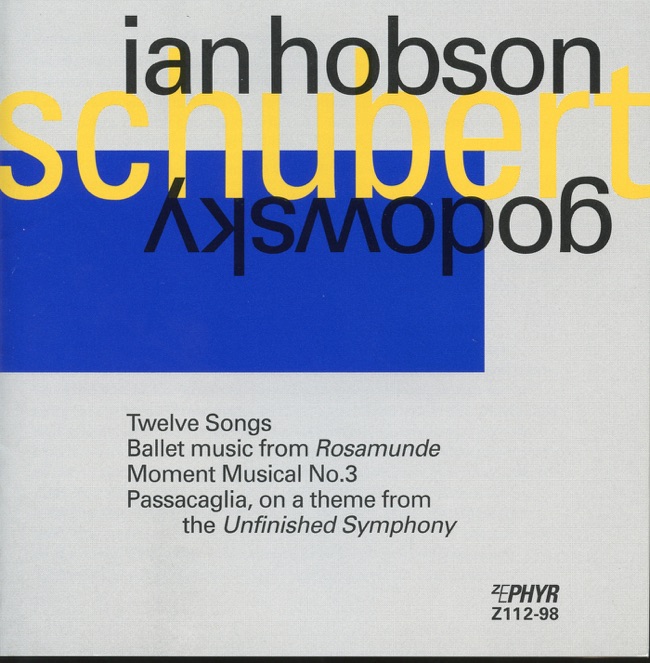
Featured Album
Works Info
Composer:Leopold GodowskyGenre:KeyboardStyle:KeyboardCompose Date:ca. 1927Average_duration:40:43Leopold Godowsky, a Polish-American pianist and composer, composed a set of twelve piano transcriptions of Franz Schubert's Lieder, known as the "Schubert Songs (12)." The set was composed in 1915 and premiered in the same year in New York City. The twelve transcriptions are as follows: 1. "Gretchen am Spinnrade" (Gretchen at the Spinning Wheel) 2. "Du bist die Ruh" (You are Rest and Peace) 3. "Aufenthalt" (Resting Place) 4. "Der Erlkönig" (The Erlking) 5. "An die Musik" (To Music) 6. "Litanei auf das Fest Allerseelen" (Litany for the Feast of All Souls) 7. "Ganymed" (Ganymede) 8. "Der Doppelgänger" (The Double) 9. "Der Wanderer" (The Wanderer) 10. "Der Müller und der Bach" (The Miller and the Brook) 11. "Der Tod und das Mädchen" (Death and the Maiden) 12. "Die Forelle" (The Trout) Godowsky's transcriptions are known for their technical difficulty and virtuosity, as well as their ability to capture the essence of Schubert's original songs. Each transcription is a miniature masterpiece, with Godowsky's unique harmonic language and pianistic flair adding new dimensions to the original melodies. The first transcription, "Gretchen am Spinnrade," is a hauntingly beautiful piece that captures the desperation and longing of the young girl at the spinning wheel. Godowsky's use of chromaticism and dissonance adds a sense of tension and unease to the piece, while his virtuosic runs and arpeggios create a sense of urgency and passion. In "Du bist die Ruh," Godowsky's transcription captures the serene and peaceful nature of the original song. The piece is marked by its delicate phrasing and use of rubato, as well as its intricate harmonies and lush textures. "The Erlking," one of Schubert's most famous songs, is transformed by Godowsky into a virtuosic tour-de-force. The piece is marked by its rapid-fire runs and arpeggios, as well as its use of dissonance and chromaticism to create a sense of foreboding and danger. Other highlights of the set include "An die Musik," a joyful and exuberant piece that captures the beauty and power of music, and "Der Tod und das Mädchen," a hauntingly beautiful piece that captures the sense of inevitability and finality of death. Overall, Godowsky's "Schubert Songs (12)" are a testament to his skill as a pianist and composer, as well as his deep love and admiration for Schubert's music. The set remains a beloved and challenging work for pianists to this day.More....
Works Music
Released Music

4
2:37
Featured Music