


Wizlâv III von Rügen
De Unghelarde heft ghemaket ene senende wise
Released Album
Recent Album
Works Info
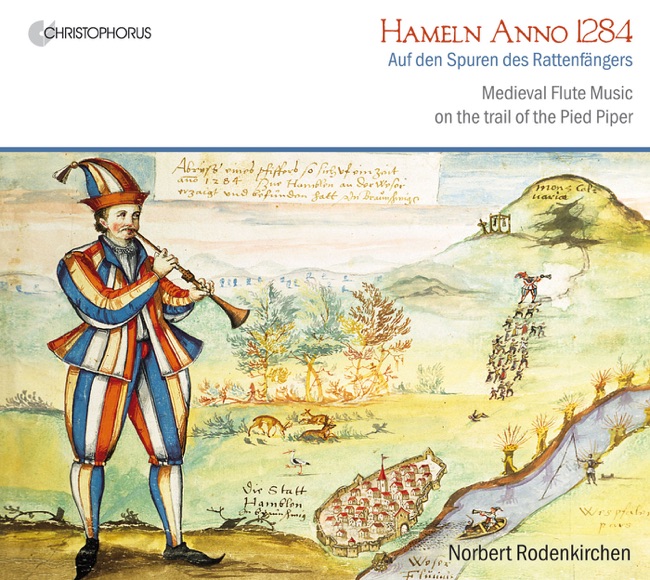
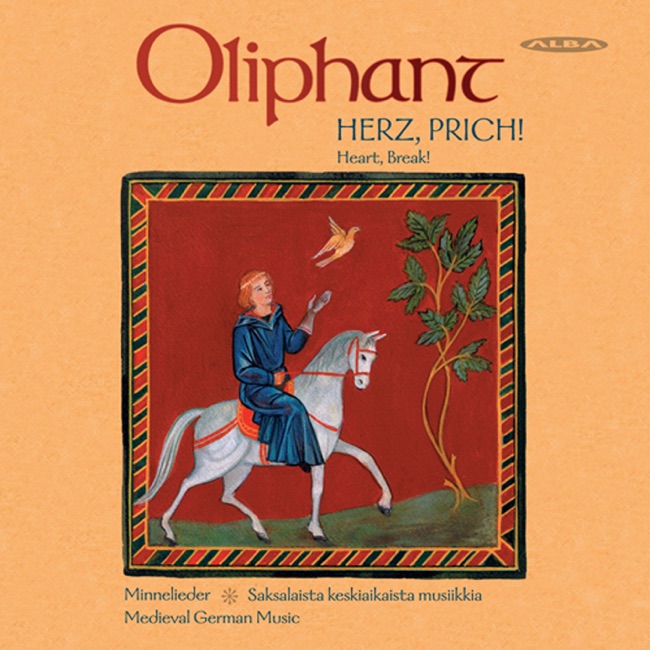
Composer:Wizlâv III von RügenGenre:VocalAverage_duration:5:07"De Unghelarde heft ghemaket ene senende wise" is a medieval song composed by Wizlâv III von Rügen, a German nobleman and poet who lived in the 14th century. The song is believed to have been composed in the early 1350s and is considered one of the earliest examples of German secular music. The song premiered in the court of Wizlâv III von Rügen, who was a patron of the arts and a lover of music. It was performed by a group of musicians and singers, who were likely members of the court's musical ensemble. The song was well-received by the audience and quickly became popular among the nobility of the time. "De Unghelarde heft ghemaket ene senende wise" is a ballad that tells the story of a young woman who is courted by a knight. The lyrics are written in Middle Low German, a dialect of the German language that was spoken in the northern regions of Germany during the Middle Ages. The song is divided into several movements, each of which tells a different part of the story. The first movement introduces the main characters of the story: the young woman and the knight. The second movement describes the knight's attempts to win the woman's heart, while the third movement depicts the woman's reluctance to accept his advances. The fourth movement sees the knight finally winning the woman's love, and the final movement celebrates their union. The music of "De Unghelarde heft ghemaket ene senende wise" is characterized by its simple melody and repetitive structure. The song is performed in a slow, mournful tempo, with the singers and musicians emphasizing the emotional content of the lyrics. The instrumentation is minimal, with only a few instruments accompanying the singers. Overall, "De Unghelarde heft ghemaket ene senende wise" is an important example of medieval German music and a testament to the creativity and artistry of Wizlâv III von Rügen. Its enduring popularity is a testament to its timeless appeal and its ability to capture the hearts and imaginations of listeners across the centuries.More....
Works Music
Released Music
2
3:22