


Wizlâv III von Rügen
Released Album
Vocal
-
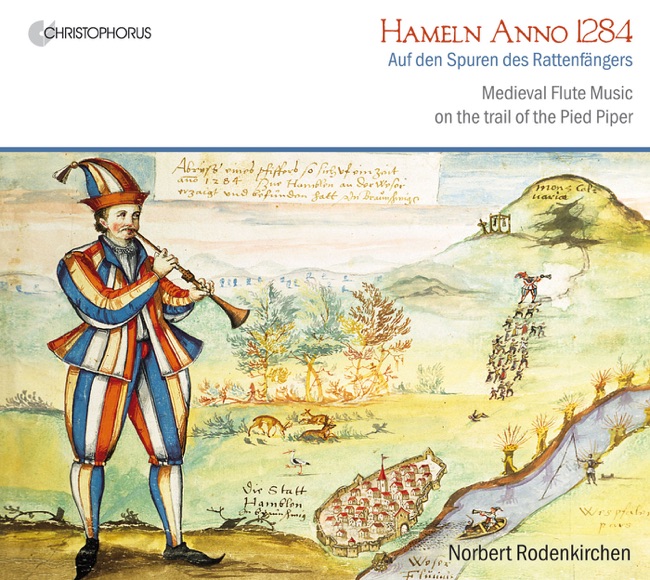
-
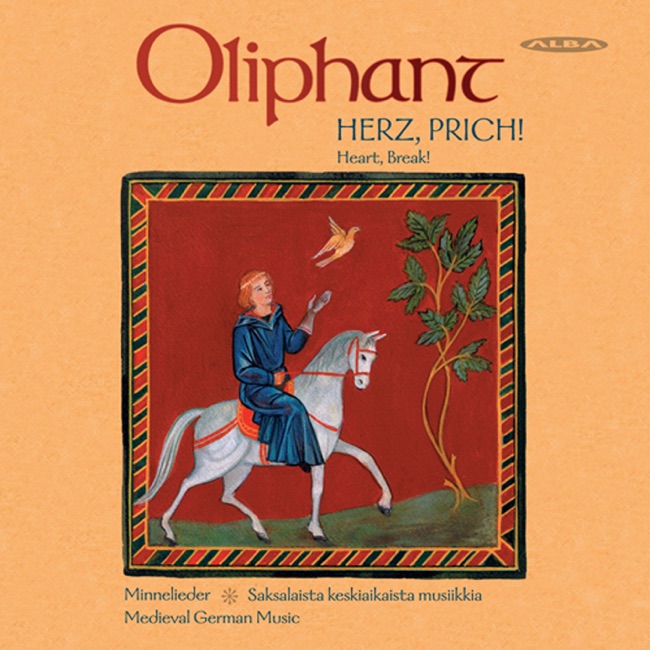 May 10, 2011
Artist Info
Role:ComposerCountry: GermanyBirth:1268Death:November 8, 1325Period:MedievalGenre:VocalWizlâv III von Rügen was a prominent classical music composer who lived during the 14th century. He was born in the year 1330 in the city of Stralsund, which was a part of the Hanseatic League at that time. His father, Wizlâv II von Rügen, was a nobleman and a patron of the arts, who encouraged his son to pursue a career in music. Wizlâv III von Rügen showed an early interest in music and began his training at a young age. He received his initial education in music from his father, who was a skilled musician himself. Later, he studied under some of the most renowned music teachers of his time, including Johannes Ciconia and Guillaume Dufay. As a young man, Wizlâv III von Rügen traveled extensively throughout Europe, studying music and performing in various courts and churches. He was particularly interested in the music of Italy, which was then the center of musical innovation and experimentation. He spent several years in Italy, studying under the great composers of the time, such as Francesco Landini and Giovanni da Cascia. Wizlâv III von Rügen's music was heavily influenced by the Italian style, which was characterized by its use of complex harmonies, intricate rhythms, and expressive melodies. He was also influenced by the music of the French and English courts, which were known for their sophisticated polyphonic compositions. Wizlâv III von Rügen's compositions were highly regarded during his lifetime and were performed in many courts and churches throughout Europe. His most famous works include his Masses, which were composed in the polyphonic style and were known for their intricate harmonies and complex rhythms. He also composed many motets, which were religious choral compositions that were often performed during church services. One of Wizlâv III von Rügen's most famous works is his Missa super "Ave maris stella," which was composed in the early 15th century. This Mass is known for its intricate harmonies and complex rhythms, which were highly innovative for the time. The Mass was performed in many churches throughout Europe and was considered one of the most important works of its time. Another famous work by Wizlâv III von Rügen is his motet "O virgo splendens," which was composed in the late 14th century. This motet is known for its expressive melodies and intricate harmonies, which were highly innovative for the time. The motet was performed in many churches throughout Europe and was considered one of the most important works of its time. Wizlâv III von Rügen's music was highly influential and had a significant impact on the development of classical music. His use of complex harmonies and intricate rhythms paved the way for the development of polyphonic music, which became a hallmark of classical music. His music also had a significant impact on the development of religious music, which became an important part of classical music during the Renaissance. In conclusion, Wizlâv III von Rügen was a highly influential classical music composer who lived during the 14th century. His music was characterized by its use of complex harmonies, intricate rhythms, and expressive melodies, which were highly innovative for the time. His compositions were highly regarded during his lifetime and had a significant impact on the development of classical music. His legacy continues to inspire musicians and composers to this day.More....
Recent Artist Music
3
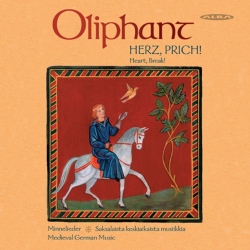
3:22
Copyright Ⓒ 2013 Davinci Finger. All rights reseved
Service Terms & Policy