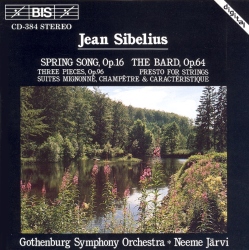
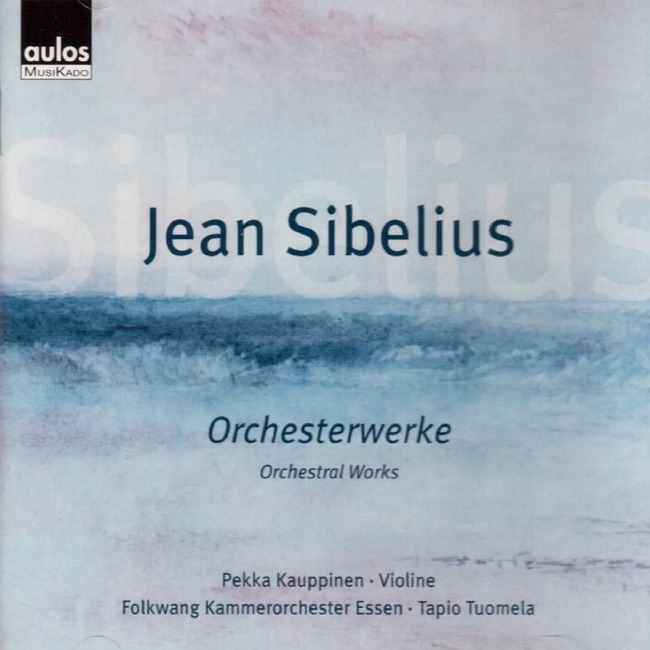
Jean Sibelius
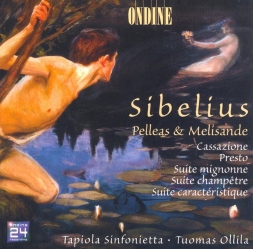
Suite caractéristique, Op. 100
Released Album
Recent Album
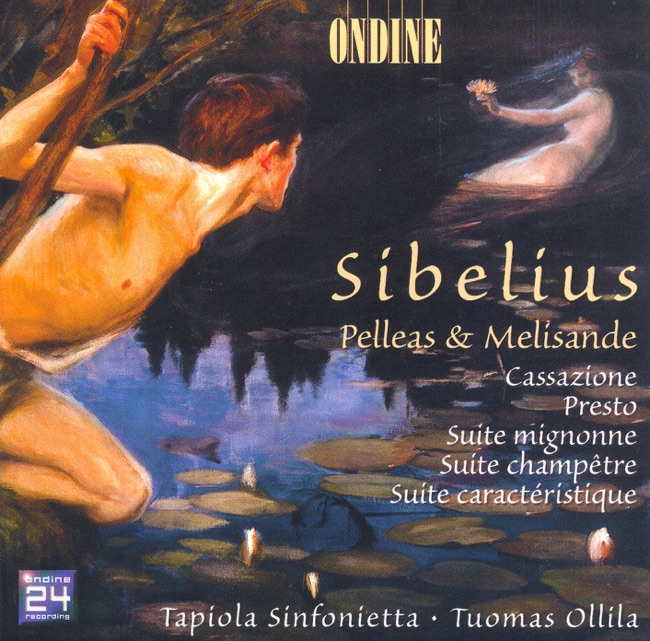
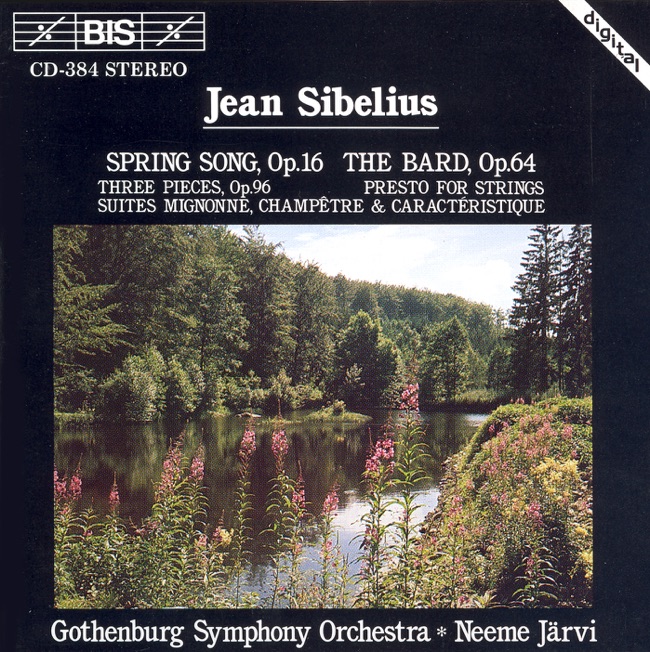
Works Info
Composer:Jean SibeliusGenre:ConcertoStyle:ConcertoCompose Date:1922Average_duration:6:03Movement_count:3Movement ....Jean Sibelius composed the 'Suite caractéristique, Op. 100' in 1924. The suite was premiered on February 26, 1925, in Helsinki, Finland, with the composer conducting the Helsinki Philharmonic Orchestra. The suite consists of four movements, each with its own unique characteristics. The first movement, titled 'Preludium,' is a lively and energetic piece that sets the tone for the entire suite. It begins with a fanfare-like motif played by the brass section, which is then taken up by the strings. The music builds in intensity, with the various sections of the orchestra playing off each other in a lively and playful manner. The second movement, 'Processional,' is a stately and dignified piece that features a prominent role for the brass section. The music is characterized by a steady, marching rhythm, with the brass playing a regal melody that is then taken up by the strings. The movement builds to a grand climax before subsiding into a quiet coda. The third movement, 'Pensées lyriques,' is a lyrical and introspective piece that features a prominent role for the woodwind section. The music is characterized by a gentle, flowing melody that is passed between the various sections of the orchestra. The movement builds to a climax before subsiding into a quiet, reflective coda. The final movement, 'Relief,' is a lively and exuberant piece that brings the suite to a rousing conclusion. The music is characterized by a fast, driving rhythm, with the various sections of the orchestra playing off each other in a playful and energetic manner. The movement builds to a frenzied climax before ending with a triumphant flourish. Overall, the 'Suite caractéristique, Op. 100' is a lively and engaging work that showcases Sibelius's skill as a composer. The suite is characterized by its lively rhythms, playful melodies, and colorful orchestration, and it remains a popular work in the orchestral repertoire to this day.More....
Works Music
Released Music
1

1:27
5
1:32
6
2:17