Marcel Dupré
Prélude and Fugue in E minor, Op. 36/1
Released Album
Recent Album
Works Info
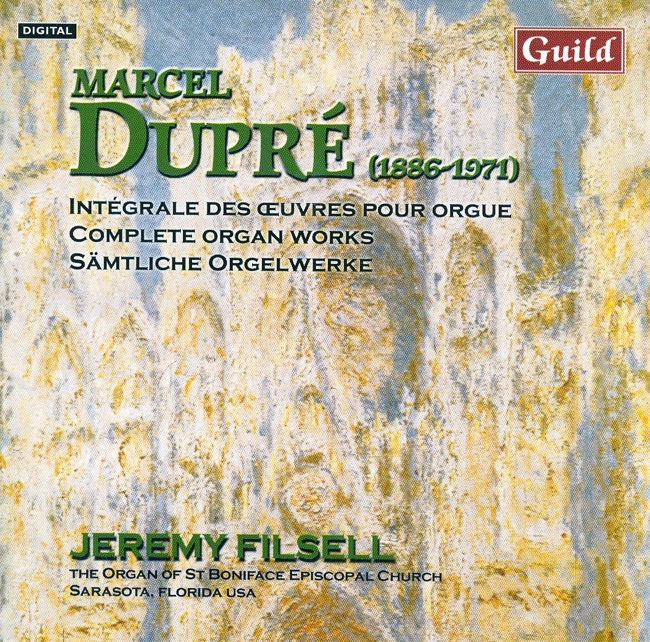
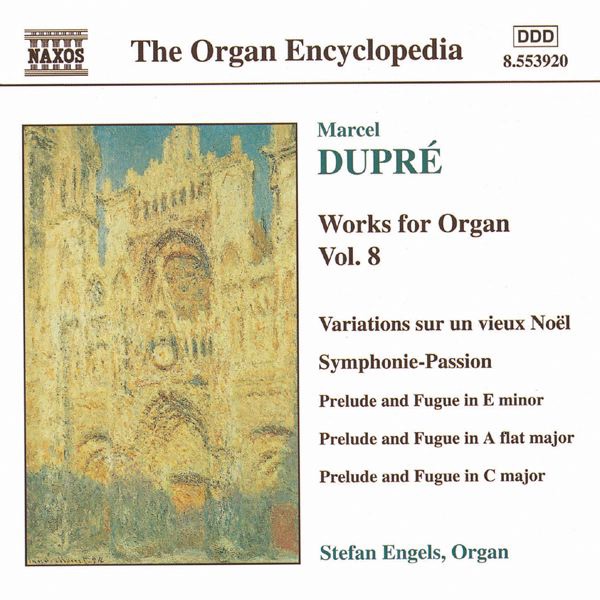
Composer:Marcel DupréGenre:KeyboardStyle:FugueAverage_duration:8:34Marcel Dupré's 'Prélude and Fugue in E minor, Op. 36/1' is a significant work in the organ repertoire. It was composed in 1942 and premiered by Dupré himself at the Church of Saint-Sulpice in Paris on January 18, 1943. The piece is part of a set of three preludes and fugues, Op. 36, which Dupré composed during World War II. The 'Prélude and Fugue in E minor' is divided into two movements, each with its own distinct character. The prelude is marked "Lento" and begins with a somber and introspective melody played in the pedals. The theme is then taken up by the manuals, building in intensity and complexity as the piece progresses. The prelude reaches a climax with a powerful chordal section before subsiding into a quiet and reflective coda. The fugue, marked "Allegro con fuoco," is a tour-de-force of contrapuntal writing. The subject is introduced in the pedals and then taken up by the manuals in a series of imitative entries. The fugue is characterized by its rhythmic drive and virtuosic passages, culminating in a thrilling final section where the subject is played in augmentation and stretto. Dupré's 'Prélude and Fugue in E minor' is a masterful example of his compositional style, which is characterized by its contrapuntal complexity, harmonic richness, and virtuosic demands on the performer. The piece is also notable for its use of the full resources of the organ, including the pedals, which are given a prominent role in both movements. Overall, the 'Prélude and Fugue in E minor, Op. 36/1' is a significant work in the organ repertoire, showcasing Dupré's mastery of the instrument and his ability to create music of great depth and complexity.More....
Works Music
Released Music