Franz Schubert
Waltzes (12) "Grazer", D. 924, Op. 91
Released Album
Recent Album
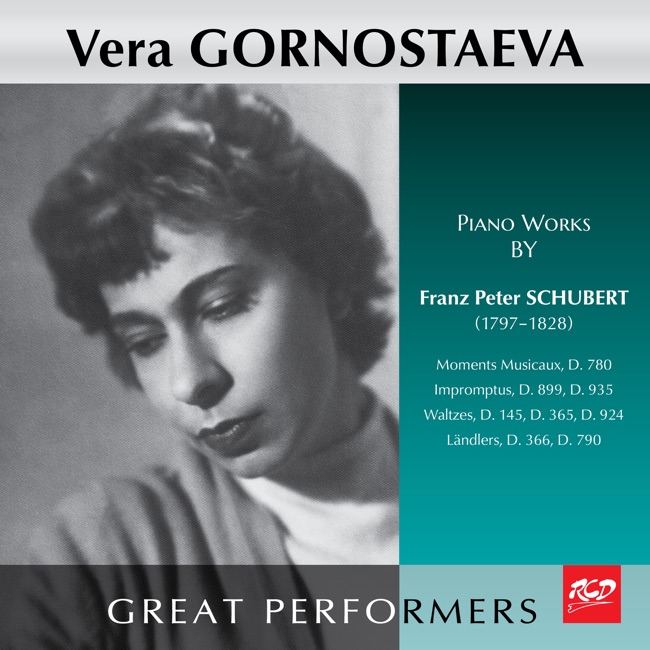
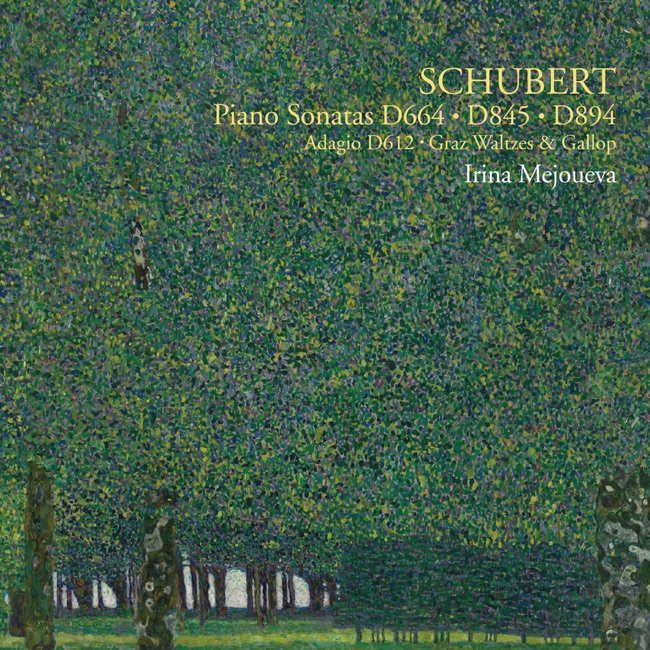


Featured Album
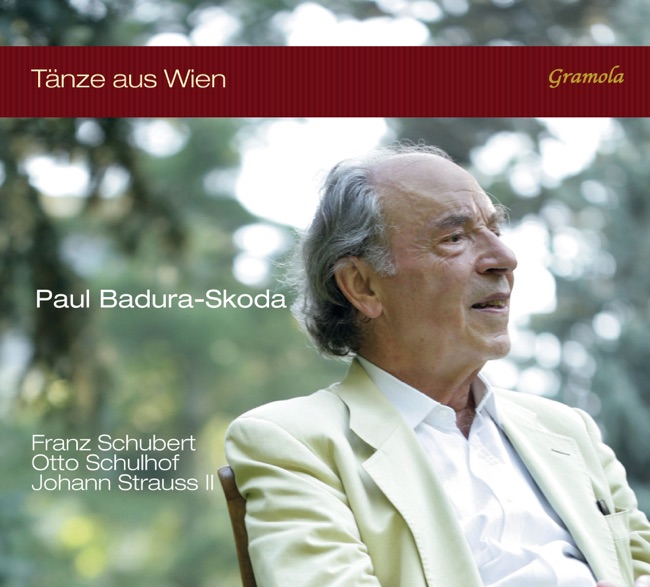
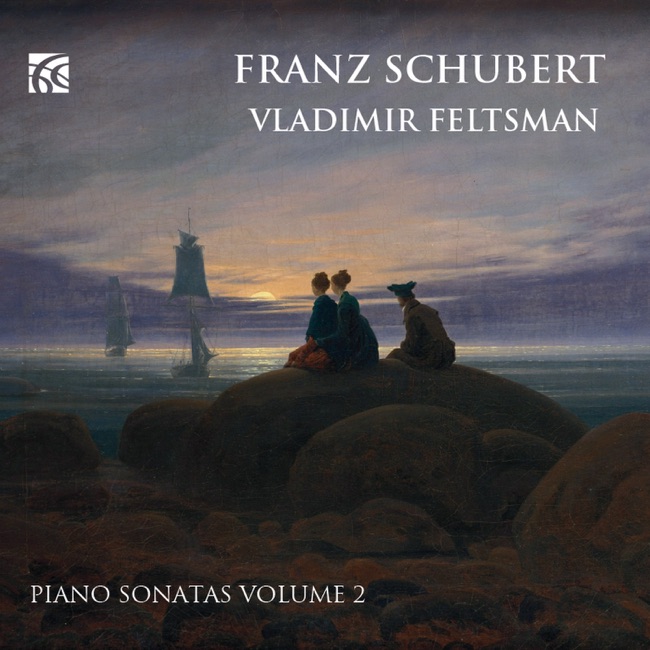
Works Info
Composer:Franz SchubertGenre:KeyboardStyle:WaltzCompose Date:ca. 1827Average_duration:11:24Movement_count:12Movement ....Franz Schubert's 'Waltzes (12) Grazer, D. 924, Op. 91' is a set of twelve waltzes for piano, composed in 1827. The work was premiered posthumously in 1867, more than thirty years after Schubert's death. The twelve waltzes are divided into two sets of six, with each set having its own distinct character. The first set is lively and energetic, with a playful and carefree mood. The second set is more introspective and melancholic, with a sense of nostalgia and longing. The first waltz in the set is marked Allegro molto moderato and is in the key of G major. It begins with a simple, repetitive melody that gradually builds in intensity and complexity. The second waltz, marked Allegro, is in the key of D major and has a more dance-like character, with a lively and syncopated rhythm. The third waltz, marked Moderato, is in the key of G major and has a more lyrical and expressive character. It features a flowing melody that is accompanied by delicate arpeggios in the left hand. The fourth waltz, marked Allegro vivace, is in the key of D major and is one of the most energetic and lively of the set, with a fast and playful rhythm. The fifth waltz, marked Moderato, is in the key of G major and has a more subdued and introspective character. It features a simple, melancholic melody that is accompanied by gentle arpeggios in the left hand. The sixth waltz, marked Allegro, is in the key of D major and is the most virtuosic of the set, with a fast and complex melody that is accompanied by rapid arpeggios in the left hand. The second set of waltzes begins with a waltz marked Moderato in the key of G major. This waltz has a more introspective and melancholic character than the first set, with a sense of nostalgia and longing. The second waltz, marked Allegro, is in the key of D major and has a more lively and dance-like character, with a fast and syncopated rhythm. The third waltz, marked Moderato, is in the key of G major and has a more lyrical and expressive character. It features a flowing melody that is accompanied by delicate arpeggios in the left hand. The fourth waltz, marked Allegro vivace, is in the key of D major and is one of the most energetic and lively of the set, with a fast and playful rhythm. The fifth waltz, marked Moderato, is in the key of G major and has a more subdued and introspective character. It features a simple, melancholic melody that is accompanied by gentle arpeggios in the left hand. The sixth waltz, marked Allegro, is in the key of D major and is the most virtuosic of the set, with a fast and complex melody that is accompanied by rapid arpeggios in the left hand. Overall, Schubert's 'Waltzes (12) Grazer, D. 924, Op. 91' is a charming and delightful set of waltzes that showcases the composer's skill at writing for the piano. The work is characterized by its lively rhythms, expressive melodies, and virtuosic flourishes, and is a testament to Schubert's enduring legacy as one of the greatest composers of the Romantic era.More....
Works Music
Released Music
2
10:43
4
12:6


Featured Music