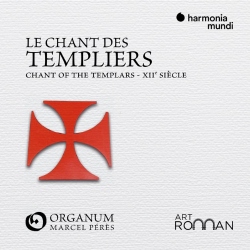
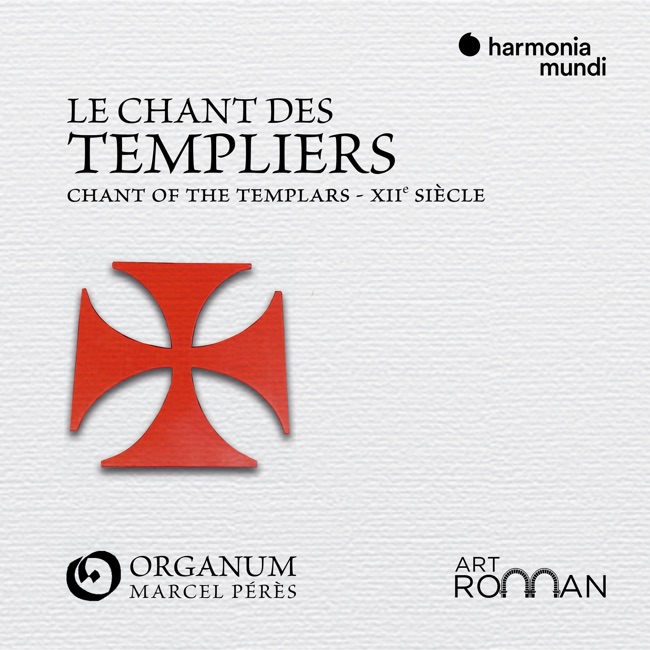
Manuscript of the Holy Sepulchre of Jerusalem in the 12th century Anonymous
Te deum patrem ingenitum magnificat
Works Info
Composer:Manuscript of the Holy Sepulchre of Jerusalem in the 12th century AnonymousGenre:ChoralStyle:ChoralAverage_duration:14:00The 'Te deum patrem ingenitum magnificat' is a medieval hymn that was composed in the 12th century by an anonymous composer. The manuscript of the Holy Sepulchre of Jerusalem is the only surviving copy of this hymn, and it is believed to have been written in the 12th century. The hymn is a combination of two different texts, the 'Te Deum' and the 'Magnificat', which are both hymns of praise to God. The 'Te Deum' is a hymn of praise that is traditionally attributed to Saints Ambrose and Augustine. It is a hymn that is often sung at the end of the Divine Office, and it is also used in the liturgy of the Catholic Church. The 'Magnificat' is a hymn of praise that is traditionally attributed to the Virgin Mary. It is a hymn that is often sung during the evening prayer service, and it is also used in the liturgy of the Catholic Church. The 'Te deum patrem ingenitum magnificat' is divided into three movements. The first movement is the 'Te Deum', which is sung in a joyful and exultant manner. The second movement is the 'Magnificat', which is sung in a more contemplative and reflective manner. The third movement is a combination of the two hymns, and it is sung in a joyful and exultant manner. The characteristics of the 'Te deum patrem ingenitum magnificat' are typical of medieval hymns. The hymn is written in Latin, and it is sung in a monophonic style. The melody is simple and repetitive, and it is designed to be easily memorized and sung by a congregation. The text of the hymn is full of praise and adoration for God, and it is designed to inspire a sense of awe and wonder in the listener. In conclusion, the 'Te deum patrem ingenitum magnificat' is a medieval hymn that combines two different texts, the 'Te Deum' and the 'Magnificat'. It was composed in the 12th century by an anonymous composer, and it is only surviving copy is found in the manuscript of the Holy Sepulchre of Jerusalem. The hymn is divided into three movements, and it is characterized by its simple melody, repetitive structure, and its focus on praise and adoration for God.More....
Works Music