


Manuscript of the Holy Sepulchre of Jerusalem in the 12th century Anonymous
Released Album
Choral
-
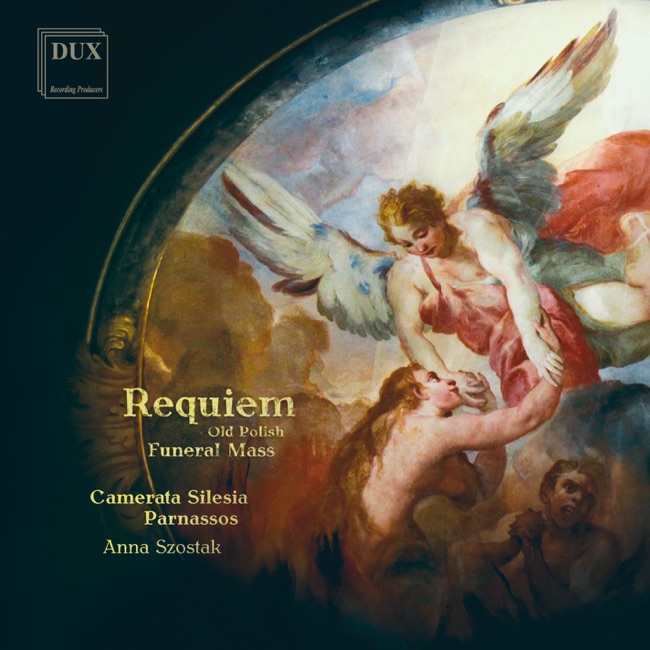 February 28, 2012
 -
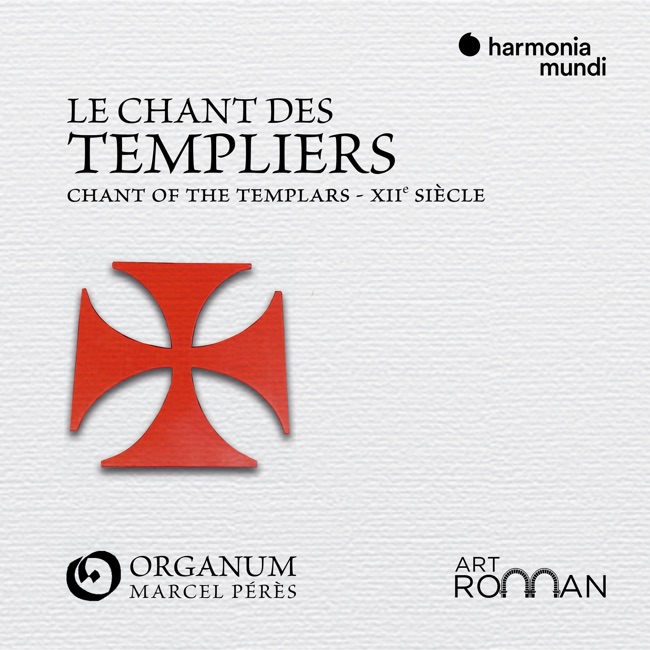 November 21, 2006
Artist Info
Role:ComposerUnfortunately, it is not possible to write a biography of a manuscript as it is an inanimate object and does not have a life story. However, we can provide some information about the Manuscript of the Holy Sepulchre of Jerusalem in the 12th century and its significance in the history of classical music. The Manuscript of the Holy Sepulchre of Jerusalem is a collection of music manuscripts that date back to the 12th century. It is believed to have been created by anonymous composers who were associated with the Holy Sepulchre in Jerusalem, which is one of the holiest sites in Christianity. The manuscript contains a variety of music, including hymns, antiphons, and sequences, which were used in religious services. The manuscript is significant because it provides a glimpse into the musical practices of the time and the development of classical music. It is also one of the earliest surviving examples of Western music notation, which was still in its infancy during the 12th century. The notation used in the manuscript is known as neumes, which are symbols that indicate the pitch and rhythm of the music. The composers of the manuscript were likely monks or other religious figures who were trained in music. Music was an important part of religious services during the Middle Ages, and many monasteries had their own choirs and musicians. The composers would have been trained in singing and playing instruments, and would have been familiar with the musical traditions of the time. The music in the manuscript is primarily vocal, with some pieces accompanied by instruments such as the organ or the harp. The pieces are written in Latin, which was the language of the Catholic Church at the time. The music is characterized by its simplicity and its focus on melody and harmony. The composers used a variety of musical techniques, such as counterpoint and imitation, to create complex and beautiful compositions. One of the highlights of the manuscript is the sequence "Victimae paschali laudes," which is still performed today during the Easter season. The sequence is a hymn of praise to Christ, and is notable for its use of melodic repetition and its powerful harmonies. Another notable piece in the manuscript is the antiphon "Ave Regina caelorum," which is a hymn to the Virgin Mary. The piece is known for its beautiful melody and its use of polyphony, which is the simultaneous singing of multiple melodies. In conclusion, the Manuscript of the Holy Sepulchre of Jerusalem is an important artifact in the history of classical music. It provides a window into the musical practices of the 12th century and the development of Western music notation. The composers of the manuscript were likely monks or other religious figures who were trained in music, and their compositions are characterized by their simplicity and their focus on melody and harmony. The manuscript contains many beautiful pieces, including the sequence "Victimae paschali laudes" and the antiphon "Ave Regina caelorum," which are still performed today.More....
Recent Artist Music
Copyright Ⓒ 2013 Davinci Finger. All rights reseved
Service Terms & Policy