Franz Joseph Haydn
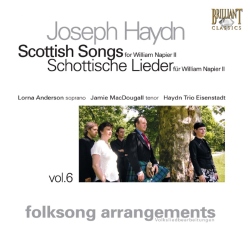
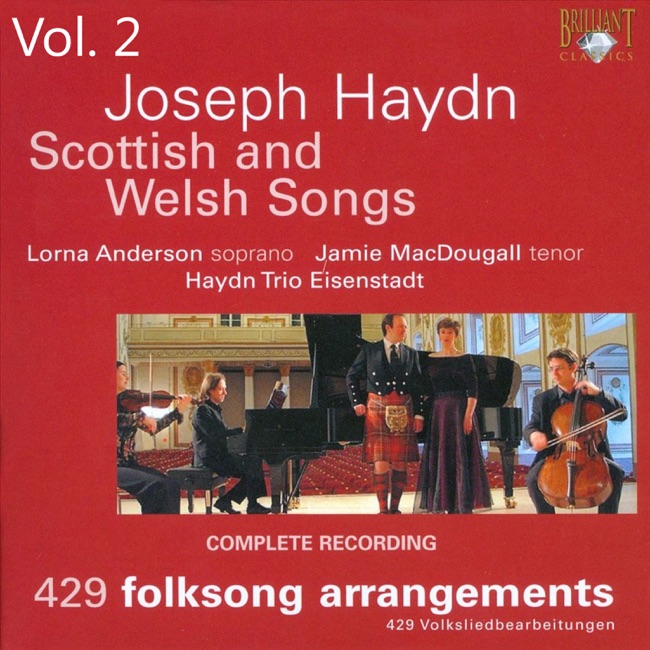
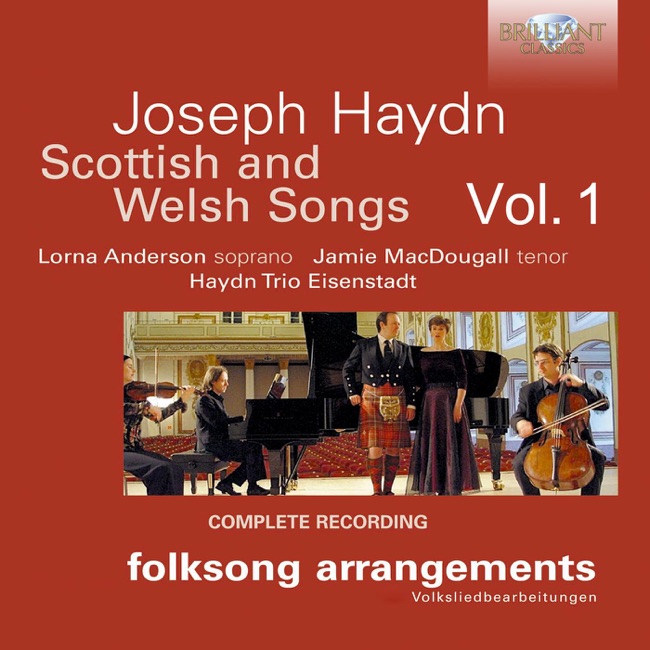
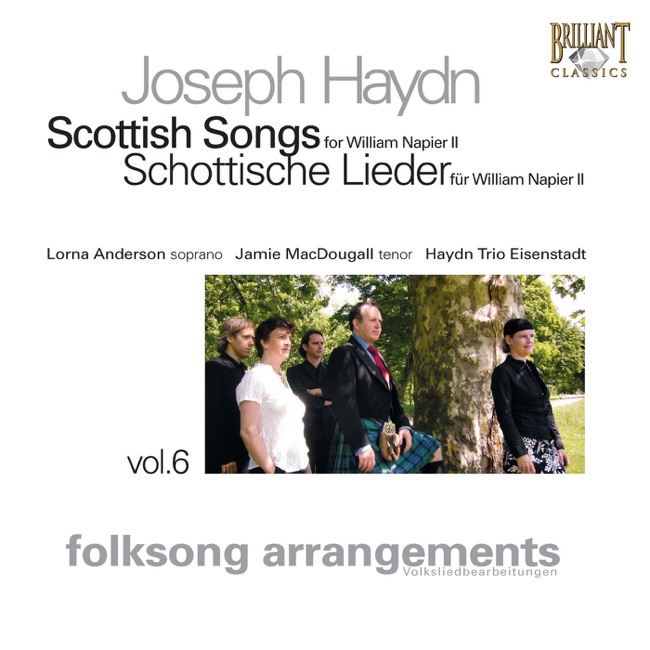
I do confess thou art sae fair, H. 31a/110
Released Album
Recent Album
Featured Album
Works Info
Composer:Franz Joseph HaydnGenre:VocalStyle:Vocal MusicCompose Date:1795Average_duration:1:53"I do confess thou art sae fair, H. 31a/110" is a Scottish folk song arranged by Franz Joseph Haydn. The composition is believed to have been written in the late 1790s, during Haydn's final years. The piece was first premiered in London in 1799, and it quickly became popular among audiences. The composition consists of three movements, each of which is characterized by its own unique style and mood. The first movement is a slow and lyrical introduction, featuring a solo violin accompanied by a simple chord progression on the piano. The second movement is a lively and energetic dance, featuring a fast-paced melody played by the violin and piano. The final movement is a slow and melancholic adagio, featuring a mournful melody played by the violin. One of the most notable characteristics of "I do confess thou art sae fair" is its use of Scottish folk melodies. Haydn was known for his interest in folk music, and he often incorporated traditional melodies into his compositions. In this piece, he takes a simple Scottish tune and transforms it into a complex and sophisticated work of art. Another characteristic of the composition is its use of the violin as a solo instrument. Haydn was a skilled violinist himself, and he often wrote music that showcased the instrument's capabilities. In "I do confess thou art sae fair," the violin takes center stage, with the piano providing a simple accompaniment. Overall, "I do confess thou art sae fair" is a beautiful and elegant composition that showcases Haydn's skill as a composer and his love of folk music. Its popularity has endured for over two centuries, and it remains a beloved piece of classical music to this day.More....
Works Music
Released Music
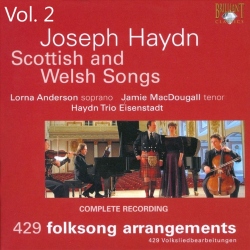
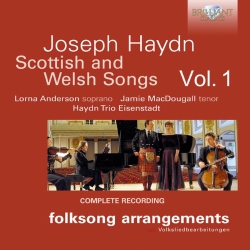
Featured Music