Franz Schubert
Blondel zu Marien, D. 626
Released Album
Recent Album
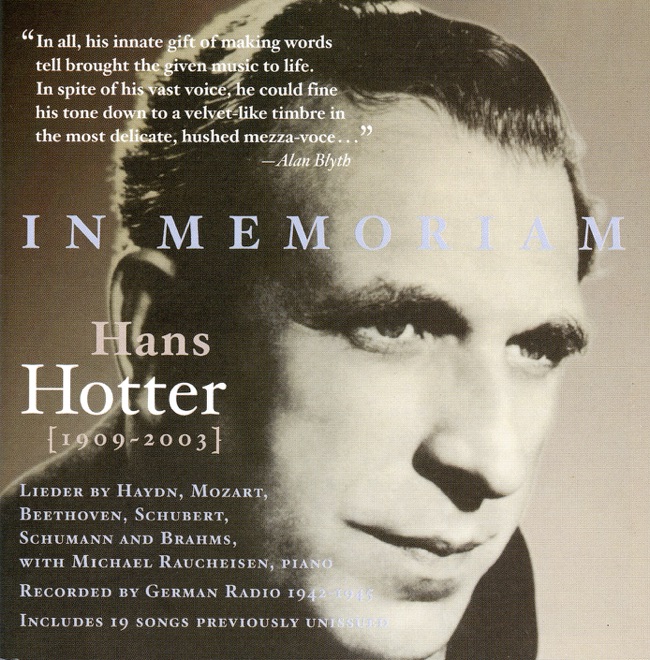
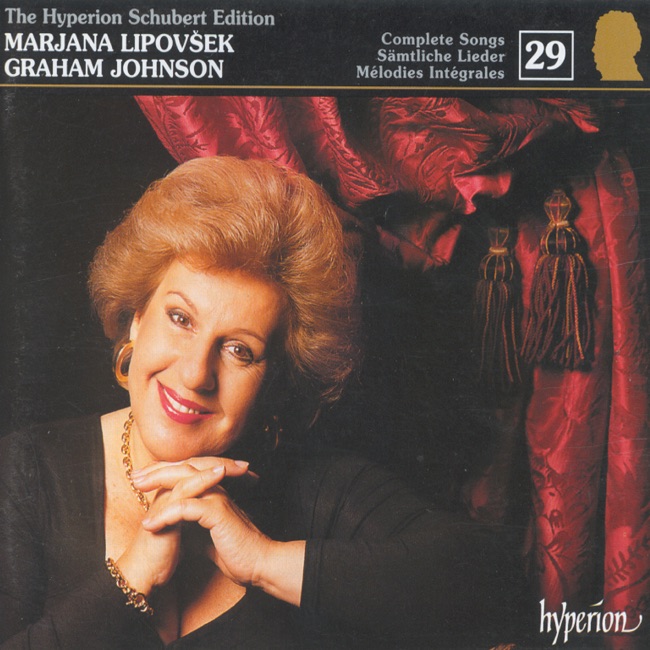
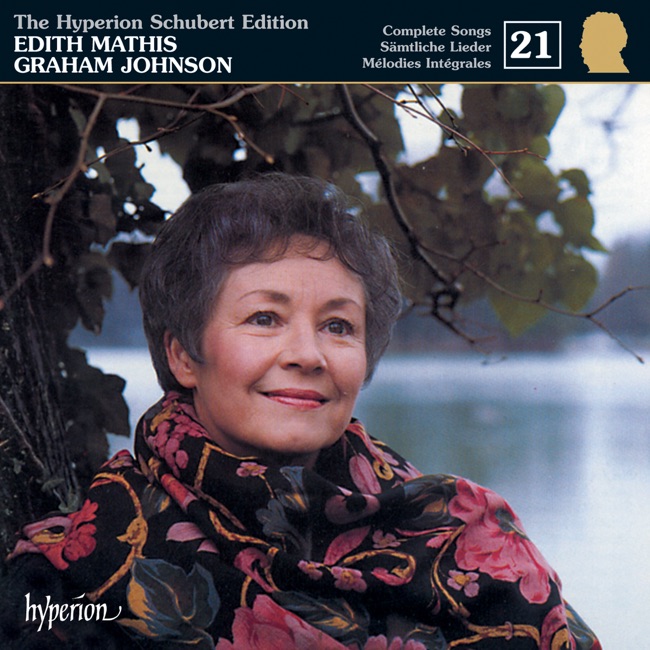
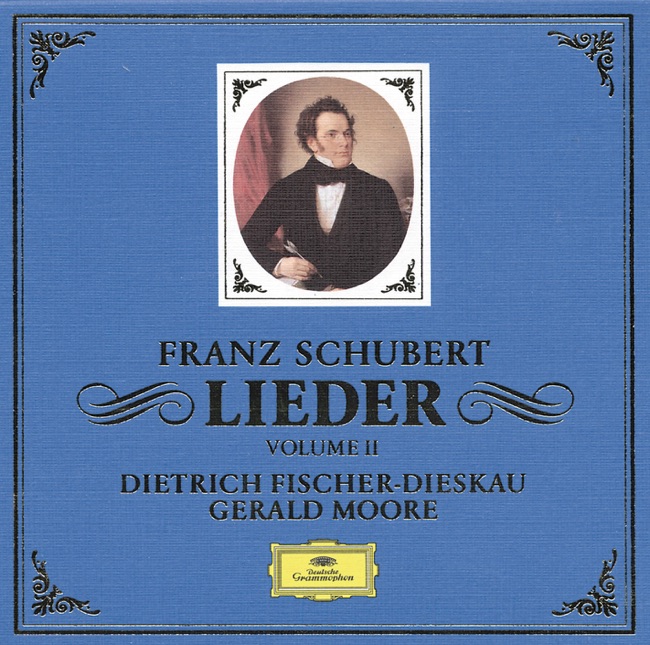
Featured Album
Works Info
Composer:Franz SchubertGenre:VocalStyle:SongCompose Date:Sep 1818Average_duration:3:48Blondel zu Marien, D. 626 is a song composed by Franz Schubert in 1818. The song is based on a medieval legend about a troubadour named Blondel who searches for his imprisoned lord, Richard the Lionheart, by singing a song outside each castle he comes across until he hears his lord's voice in response. The song is set in three movements, each with its own distinct characteristics. The first movement is marked "Andante con moto" and begins with a gentle, flowing melody in the piano. The singer enters with the first verse, singing of Blondel's search for his lord. The melody is simple and lyrical, with occasional flourishes in the piano accompaniment. The second verse is more dramatic, with the singer describing the castles he has visited and the sorrow he feels at not finding his lord. The piano accompaniment becomes more complex, with arpeggios and trills adding to the sense of urgency. The second movement is marked "Allegro vivace" and is more upbeat than the first. The singer describes the joy he feels when he finally hears his lord's voice in response to his song. The melody is lively and playful, with the piano accompaniment providing a rhythmic pulse. The third verse is more reflective, with the singer expressing his gratitude to God for guiding him to his lord. The piano accompaniment becomes more subdued, with gentle arpeggios and chords supporting the singer's voice. The final movement is marked "Andantino" and is the most contemplative of the three. The singer reflects on the power of music to bring people together and to express emotions that cannot be put into words. The melody is simple and serene, with the piano accompaniment providing a gentle, flowing backdrop. The final verse is a prayer for peace and unity, with the singer asking God to bless all those who love music and to bring them together in harmony. Overall, Blondel zu Marien is a beautiful and moving song that showcases Schubert's gift for melody and his ability to capture the emotional depth of a story. The three movements each have their own distinct characteristics, but they work together to create a cohesive and powerful whole. The song premiered in Vienna in 1827 and has since become a beloved part of the classical repertoire.More....
Works Music
Released Music


8
4:55
Featured Music