


Daniela Sindram
Released Album
Symphony
-
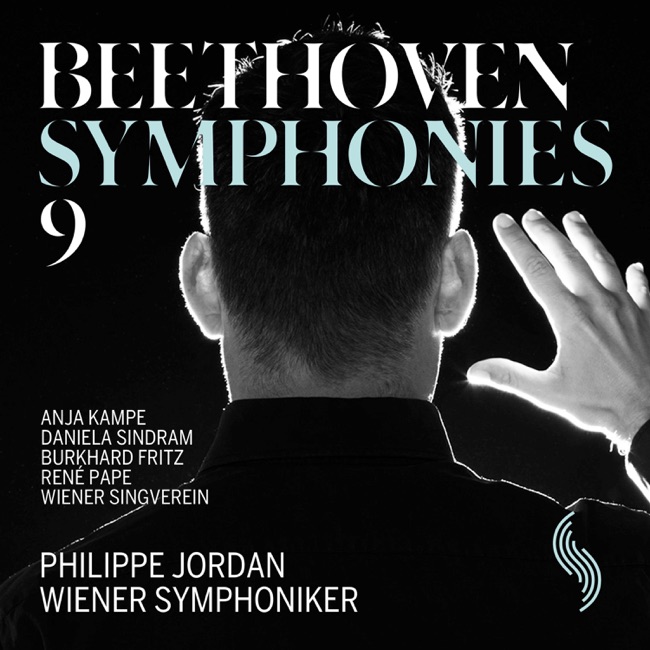 October 18, 2019
 -
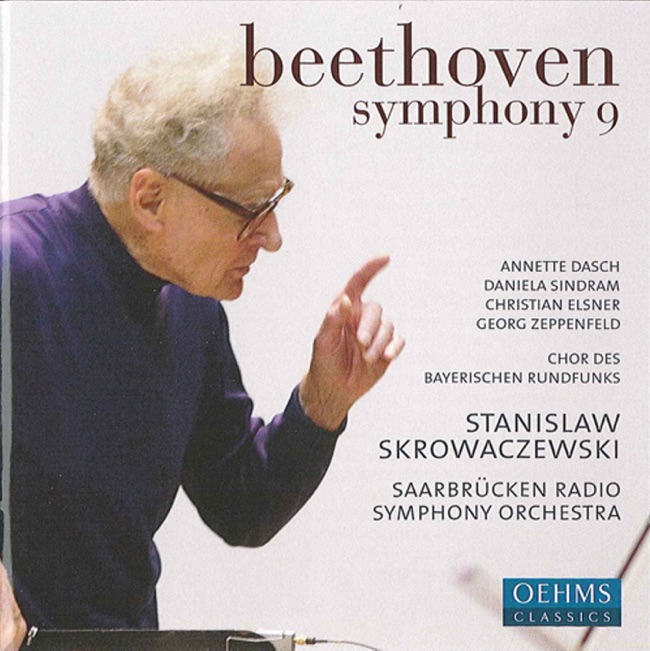 May 9, 2006
 -
 April 8, 2003
Choral
-
 May 18, 2018
 -
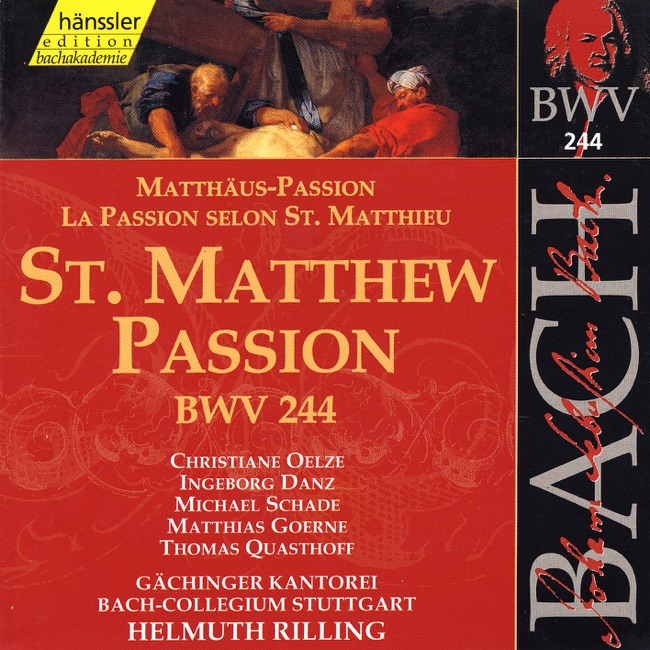 November 21, 2002
Orchestral
-
 August 12, 2004
Vocal
-
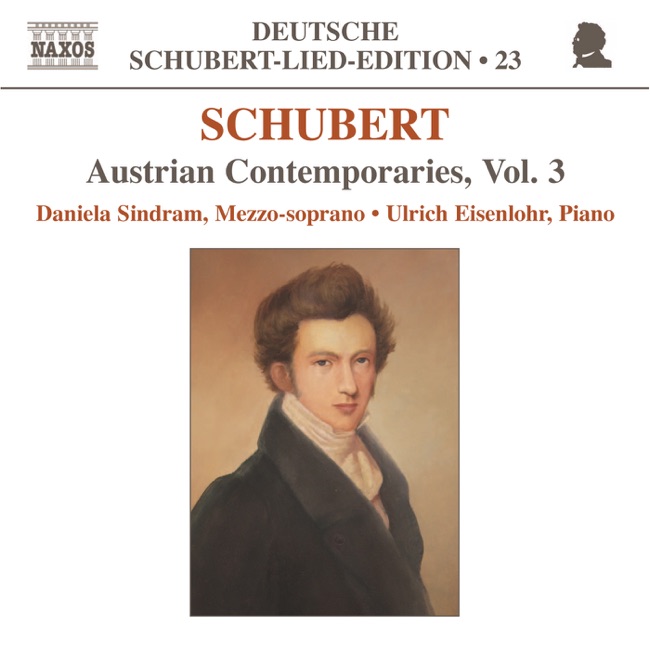 March 27, 2007
Artist Info
Period:BaroqueGenre:ChoralDaniela Sindram is a renowned mezzo-soprano opera singer from Germany. She was born on August 22, 1978, in the city of Bayreuth, which is located in the state of Bavaria. Her parents were both musicians, and they encouraged her to pursue a career in music from a young age. Sindram began her musical training at the age of six, when she started taking piano lessons. She quickly showed a talent for singing, and her parents enrolled her in a local choir. She continued to sing in choirs throughout her childhood and teenage years, and she also began taking voice lessons. After completing her secondary education, Sindram enrolled at the Hochschule für Musik und Theater in Munich, where she studied voice under the tutelage of Professor Angelika Kirchschlager. She graduated with honors in 2003, and she immediately began auditioning for opera companies. Sindram's breakthrough came in 2004, when she was cast as Cherubino in a production of Mozart's "The Marriage of Figaro" at the Bavarian State Opera in Munich. Her performance was widely praised, and she quickly became a sought-after mezzo-soprano in the opera world. Over the next few years, Sindram performed in a number of major productions, including "Carmen," "Don Giovanni," and "The Magic Flute." She also began to receive critical acclaim for her performances, and she was awarded the prestigious Bayerischer Kunstförderpreis in 2007. In 2008, Sindram was invited to perform at the Salzburg Festival, one of the most prestigious classical music festivals in the world. She sang the role of Rosina in a production of Rossini's "The Barber of Seville," and her performance was widely praised by critics and audiences alike. Sindram continued to perform at major opera houses and festivals throughout Europe, including the Vienna State Opera, the Royal Opera House in London, and the Paris Opera. She also began to expand her repertoire, taking on more challenging roles in operas such as "Tristan und Isolde" and "Elektra." In 2014, Sindram made her debut at the Metropolitan Opera in New York City, singing the role of Waltraute in Wagner's "Götterdämmerung." Her performance was once again widely praised, and she quickly became a favorite of audiences and critics alike. Sindram has also made a number of recordings throughout her career, including a critically acclaimed album of Schubert lieder with pianist Burkhard Kehring. She has also collaborated with a number of other musicians, including conductor Christian Thielemann and soprano Anja Harteros. Throughout her career, Sindram has received numerous awards and honors for her contributions to classical music. In addition to the Bayerischer Kunstförderpreis, she has been awarded the Echo Klassik Award, the German Critics' Prize, and the Bavarian Maximilian Order for Science and Art. Today, Sindram continues to perform regularly at major opera houses and festivals around the world. She is widely regarded as one of the most talented mezzo-sopranos of her generation, and she is admired for her powerful voice, dramatic range, and emotional depth.More....
Recent Artist Music
2
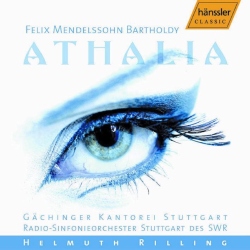
Interludes connecting Mendelssohn Bartholdy's music to Athalia
Deklamation: Die reinen Herzens sind
3:33
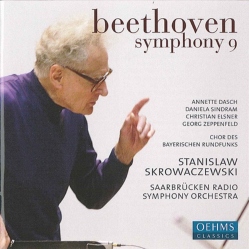
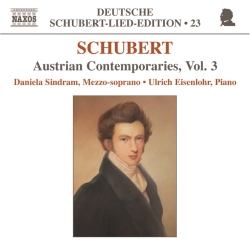
5
Fantasy for flute & orchestra ('Il Piffero della Notte')
I. Letno (free, dreamy, langorous) - Meno mosso - Tempo I - Allegro appassionato - Poco meno mosso - (accel. al.) Più mosso - Poco meno mosso, maestoso - (rall. al.) - Molto largo - Cadenza accompagnato. Lento - Molto allegro (attacca)
10:1
6
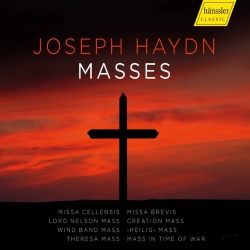
Missa Cellensis in C major, H. 22/5 "Cantata Mass"
Kyrie: Kyrie I (Adagio/Allegro con spirito)
3:11
Copyright Ⓒ 2013 Davinci Finger. All rights reseved
Service Terms & Policy