


Antonio Vivaldi
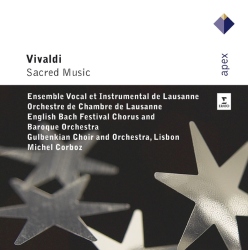
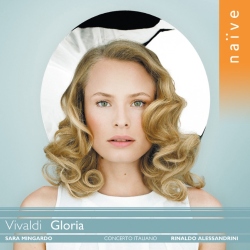
Gloria, for 6 solo voices in D major, RV 588
Released Album
Recent Album
Featured Album
Works Info
Composer:Antonio VivaldiGenre:ChoralStyle:GloriaCompose Date:1715Average_duration:26:45Movement_count:11Movement ....Antonio Vivaldi's 'Gloria, for 6 solo voices in D major, RV 588' is a sacred choral work that was composed in the early 18th century. The piece was likely composed between 1715 and 1717, during Vivaldi's tenure as the maestro di violino at the Ospedale della Pietà in Venice. The work was premiered at the Ospedale della Pietà, likely during a religious service. The 'Gloria' is divided into twelve movements, each of which is relatively short and focused on a particular aspect of the text. The first movement, 'Gloria in excelsis Deo', is a jubilant chorus that sets the tone for the entire work. The second movement, 'Et in terra pax', is a more subdued section that features a solo soprano voice. The third movement, 'Laudamus te', is a virtuosic duet for two sopranos that showcases Vivaldi's skill at writing for the voice. The fourth movement, 'Gratias agimus tibi', is a lively chorus that features a fugue-like section in the middle. The fifth movement, 'Propter magnam gloriam tuam', is a solo for bass voice that is notable for its long, sustained notes. The sixth movement, 'Domine Deus', is a duet for soprano and alto that is characterized by its lyrical melodies and delicate accompaniment. The seventh movement, 'Domine Fili unigenite', is a solo for alto voice that is marked by its expressive leaps and runs. The eighth movement, 'Domine Deus, Agnus Dei', is a duet for soprano and alto that features a beautiful melody and a gentle accompaniment. The ninth movement, 'Qui tollis peccata mundi', is a solo for alto voice that is characterized by its mournful tone and descending melodic line. The tenth movement, 'Qui sedes ad dexteram Patris', is a solo for soprano voice that is marked by its soaring melodies and virtuosic runs. The eleventh movement, 'Quoniam tu solus sanctus', is a lively chorus that features a fugue-like section in the middle. The final movement, 'Cum Sancto Spiritu', is a jubilant chorus that brings the work to a triumphant close. Overall, Vivaldi's 'Gloria' is a masterful example of Baroque choral music. The work is characterized by its lively rhythms, expressive melodies, and virtuosic vocal writing. The piece is often performed during the Christmas season and is considered one of Vivaldi's most popular sacred works.More....
Works Music
Released Music
9
5:4
Featured Music

Main Perform Artists
Contralto Vocal
Soprano Vocal