Guillaume de Machaut
Hareu, hareu, le feu/Helas, ou sera/Obediens usque ad mortem
Released Album
Recent Album
Featured Album
Works Info
Composer:Guillaume de MachautGenre:ChoralStyle:MotetAverage_duration:2:03Guillaume de Machaut was a French poet and composer of the 14th century. He is considered one of the most important composers of the Ars Nova style, which was characterized by complex rhythms and harmonies. One of his most famous works is the motet "Hareu, hareu, le feu/Helas, ou sera/Obediens usque ad mortem," which was composed around 1350. The motet is written for three voices and is divided into three movements. The first movement, "Hareu, hareu, le feu," is a lamentation on the destruction caused by fire. The text describes the devastation caused by the flames and the sorrow of those who have lost their homes and possessions. The music is characterized by a mournful melody and dissonant harmonies, which reflect the sadness of the text. The second movement, "Helas, ou sera," is a prayer for salvation. The text asks for God's mercy and protection from the dangers of the world. The music is more hopeful than the first movement, with a brighter melody and more consonant harmonies. The final movement, "Obediens usque ad mortem," is a meditation on the obedience of Christ. The text describes Christ's willingness to obey God's will, even unto death. The music is characterized by a solemn melody and simple harmonies, which reflect the humility and obedience of Christ. Overall, "Hareu, hareu, le feu/Helas, ou sera/Obediens usque ad mortem" is a powerful and emotional work that reflects the religious and social concerns of the 14th century. The complex rhythms and harmonies of the Ars Nova style are used to great effect, creating a rich and expressive musical language. The motet premiered in the 14th century and has since become a staple of the choral repertoire.More....
Works Music
Released Music
1
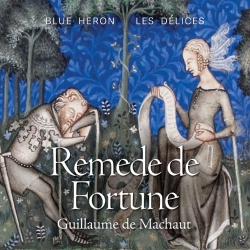
Hareu, hareu, fire/Helas, ou sera/Obediens usque ad mortem
Motet (M10) Hareu, hareu! / Helas! ou sera pris confors / Obediens usque ad mortem
1:57
2
Hareu, hareu, fire/Helas, ou sera/Obediens usque ad mortem
Motet No. 10 Obediens usque ad mortem
1:48
Featured Music