Johann Joseph Fux
Overture in D major, N. 4
Released Album
Recent Album
Works Info
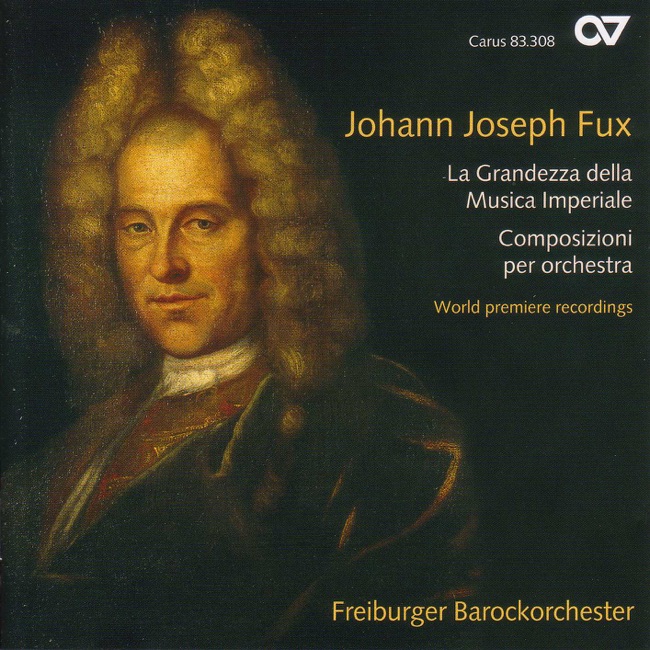
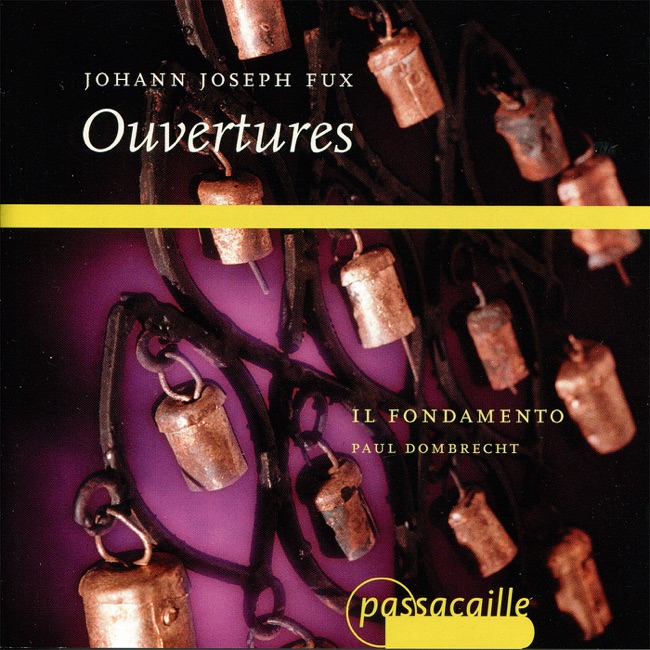
Composer:Johann Joseph FuxGenre:OrchestralStyle:OrchestralAverage_duration:17:44Johann Joseph Fux was an Austrian composer and music theorist of the Baroque era. He is best known for his treatise on counterpoint, Gradus ad Parnassum, which has been used as a textbook for generations of composers. However, Fux was also a prolific composer in his own right, and his works include operas, oratorios, and instrumental music. One of Fux's most popular instrumental works is his Overture in D major, N. 4. This piece was composed in the early 18th century, although the exact date is not known. It was likely written for performance at the court of the Holy Roman Emperor, Charles VI, for whom Fux worked as a composer and music teacher. The Overture in D major, N. 4 is a multi-movement work that follows the typical structure of a Baroque overture. It begins with a stately opening section, marked "Grave," which features a slow, majestic theme played by the strings. This is followed by a faster, more lively section, marked "Allegro," which features a lively dance-like theme played by the woodwinds. The third section, marked "Adagio," is a slow, lyrical interlude that features a solo violin playing a beautiful melody. The final section, marked "Allegro," returns to the lively dance-like theme of the second section, bringing the piece to a rousing conclusion. One of the most notable characteristics of Fux's Overture in D major, N. 4 is its use of counterpoint. Fux was a master of counterpoint, and this piece features intricate, interweaving melodies that showcase his skill in this area. The piece also features a wide range of instrumental colors, with the strings, woodwinds, and brass all playing prominent roles. The overall effect is one of grandeur and elegance, befitting the courtly setting for which the piece was likely intended. The Overture in D major, N. 4 was premiered in Vienna, although the exact date of its premiere is not known. However, it quickly became a popular work and was performed frequently throughout the 18th century. Today, it remains a beloved piece of Baroque instrumental music, admired for its beauty, complexity, and elegance.More....
Works Music
Released Music