Traditional German chorale
Dies sind die heil'gen zehn Gebot
Released Album
Recent Album
Featured Album
Works Info
Composer:Traditional German choraleAverage_duration:0:50Dies sind die heil'gen zehn Gebot, also known as the Ten Commandments, is a traditional German chorale that has been sung in churches for centuries. The exact date of its composition is unknown, but it is believed to have been written in the 16th century. The melody is simple and easy to sing, making it a popular choice for congregational singing. The chorale has been used in various musical compositions, including Johann Sebastian Bach's Cantata BWV 79 and Felix Mendelssohn's Symphony No. 5. It is often sung during church services, particularly during the season of Lent. The chorale consists of ten verses, each corresponding to one of the Ten Commandments. The first verse begins with the words "Dies sind die heil'gen zehn Gebot," which translates to "These are the holy Ten Commandments." The subsequent verses list each commandment in turn, with the final verse summarizing the message of the chorale: "So lass uns leben, dass wir's tun, was Gott gefällt allein, und uns in unserm Leben hier zu seinem Lob vernein." The melody of the chorale is simple and straightforward, with a steady rhythm and clear phrasing. The harmonies are also relatively simple, with a focus on the major and minor chords of the key. The overall effect is one of clarity and simplicity, which is appropriate for a text that deals with such weighty topics as sin and redemption. Overall, Dies sind die heil'gen zehn Gebot is a classic example of the German chorale tradition, with a simple melody and harmonies that have stood the test of time. Its use in various musical compositions and its continued popularity in church services attest to its enduring appeal.More....
Works Music
Released Music
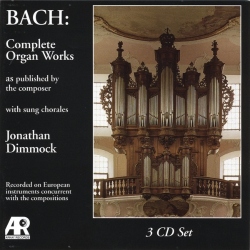
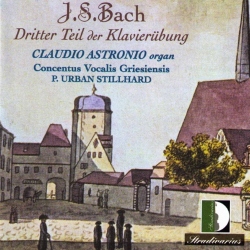
Featured Music