Marcel Dupré
Prélude and Fugue in C major, Op. 36/3
Released Album
Recent Album
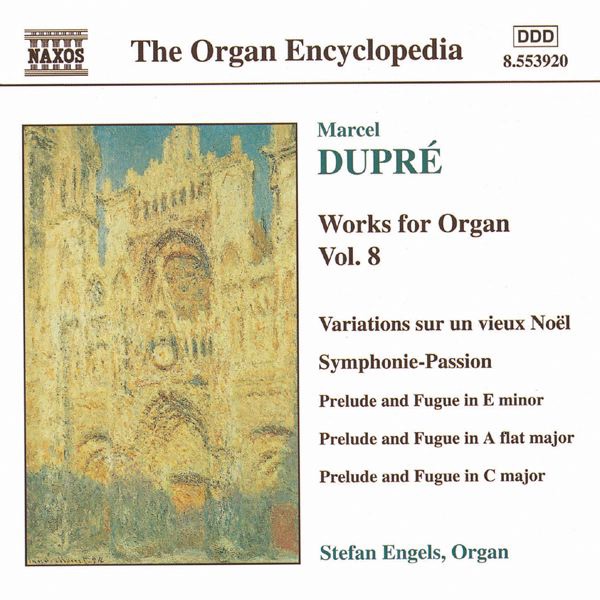
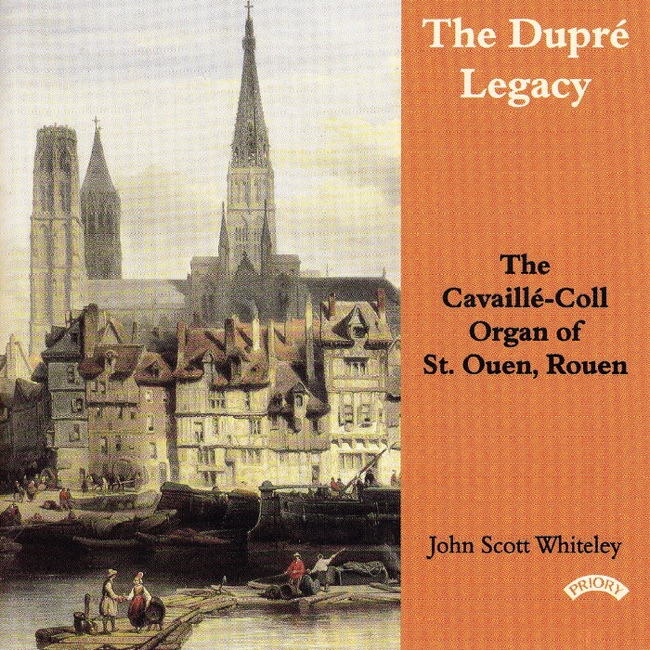
Works Info
Composer:Marcel DupréGenre:KeyboardStyle:FugueAverage_duration:6:54Marcel Dupré's 'Prélude and Fugue in C major, Op. 36/3' is a two-movement work for organ that was composed in 1938. The piece was premiered by Dupré himself on November 6, 1938, at the Church of Saint-Sulpice in Paris. The first movement, the Prelude, is marked Allegro moderato and is in sonata form. It begins with a lively and energetic theme that is introduced by the manuals and pedals in unison. This theme is then developed and expanded upon throughout the movement, with Dupré showcasing his virtuosic organ technique through intricate passagework and rapid pedal runs. The middle section of the Prelude is more contemplative, with a lyrical melody that is played on the manuals and accompanied by a gentle pedal line. The movement ends with a triumphant restatement of the opening theme. The second movement, the Fugue, is marked Allegro giocoso and is a three-voice fugue with a lively and playful character. The subject of the fugue is introduced by the manuals and is then imitated by the pedals. Dupré uses a variety of contrapuntal techniques throughout the movement, including stretto and inversion, to create a complex and intricate texture. The middle section of the Fugue is more subdued, with a slower tempo and a more contemplative character. The movement ends with a lively coda that brings the piece to a thrilling conclusion. Overall, 'Prélude and Fugue in C major, Op. 36/3' is a virtuosic and technically demanding work that showcases Dupré's mastery of the organ. The piece is characterized by its lively and energetic character, intricate passagework, and complex contrapuntal textures. It remains a popular work in the organ repertoire and is frequently performed in recitals and church services.More....
Works Music