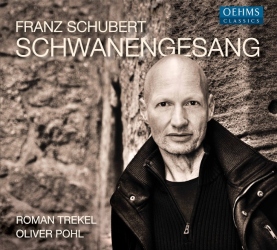
Franz Schubert
Abschied, D. 957/7
Released Album
Recent Album




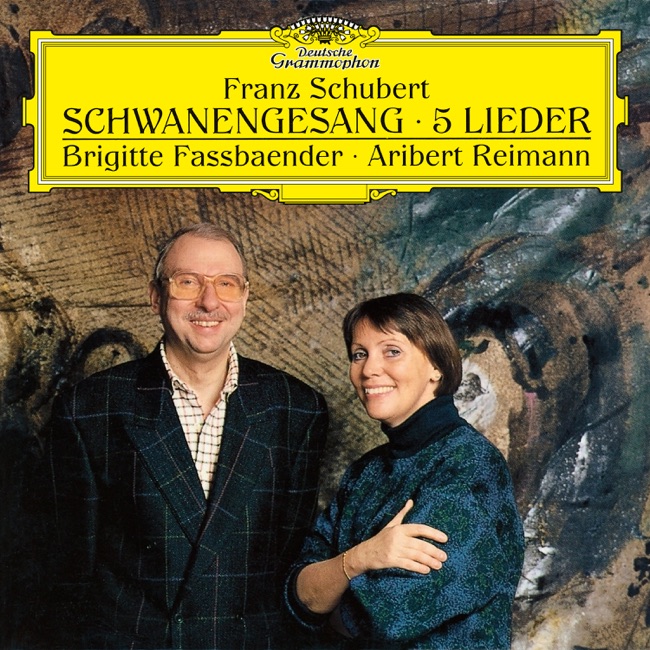

Works Info
Composer:Franz SchubertGenre:VocalStyle:SongCompose Date:1828Average_duration:3:55"Abschied" (Farewell) is the seventh and final movement of Franz Schubert's song cycle "Die Winterreise" (The Winter Journey), composed in 1827. The song cycle consists of 24 poems by Wilhelm Müller, which Schubert set to music. "Abschied" is one of the most famous and poignant songs in the cycle, and it is often performed as a standalone piece. "Abschied" is a long and complex song, lasting over 20 minutes in performance. It is written in ABA form, with the A sections being in the key of G minor and the B section in B-flat major. The song is marked "Langsam" (slow) and "Schmerzvoll" (painful), and it is characterized by its mournful melody, chromatic harmonies, and expressive use of dynamics and tempo. The song begins with a slow and mournful melody in the piano, which sets the mood for the entire piece. The singer enters with the first verse, which describes the speaker's departure from his beloved's house. The melody is simple and plaintive, with a descending chromatic line that emphasizes the speaker's sadness and longing. The second verse is more complex, with a faster tempo and more varied melody. The speaker describes his journey through the winter landscape, and the music reflects the changing scenery with shifting harmonies and rhythms. The piano accompaniment is particularly effective in this section, with its rolling arpeggios and icy trills. The third verse returns to the slow and mournful melody of the first, as the speaker reflects on his lost love and the pain of separation. The piano accompaniment is sparse and haunting, with long silences between the chords that emphasize the speaker's loneliness and despair. The B section of the song is a dramatic contrast to the A sections, with a faster tempo and a major key. The melody is more hopeful and optimistic, as the speaker imagines a new life without his beloved. The piano accompaniment is more lively and rhythmic, with a dance-like quality that suggests the possibility of a new beginning. The final A section of the song returns to the slow and mournful melody of the first, but with a new sense of resignation and acceptance. The speaker acknowledges that he must continue on his journey alone, but he still longs for his lost love. The piano accompaniment is more complex and dissonant in this section, with a sense of unresolved tension that reflects the speaker's conflicted emotions. "Abschied" is a masterpiece of Romantic music, with its powerful expression of love, loss, and longing. It is a testament to Schubert's genius as a composer, and it remains one of the most moving and profound songs in the classical repertoire.More....
Works Music
Released Music