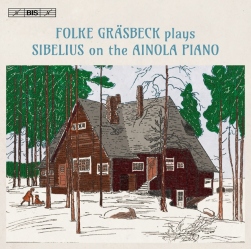
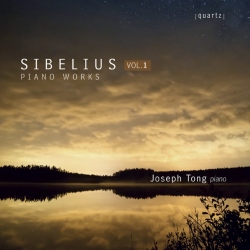
Jean Sibelius
Morceaux romantiques (5), Op. 101
Released Album
Recent Album
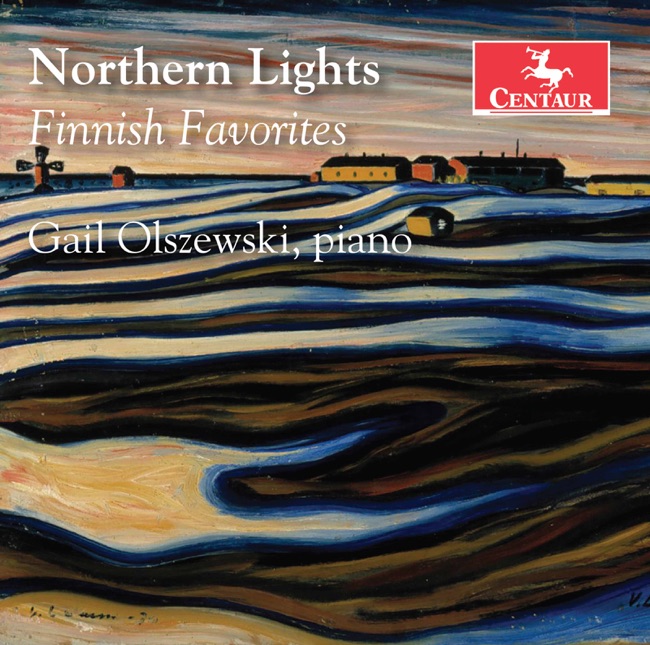

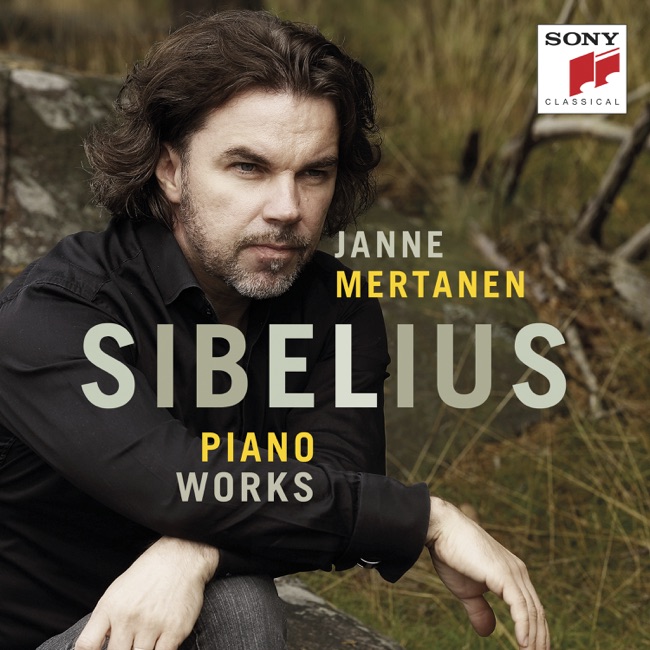
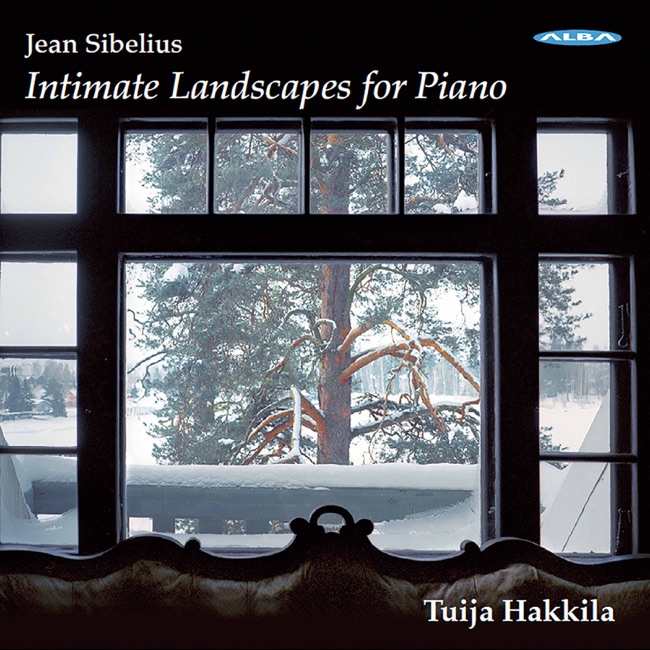
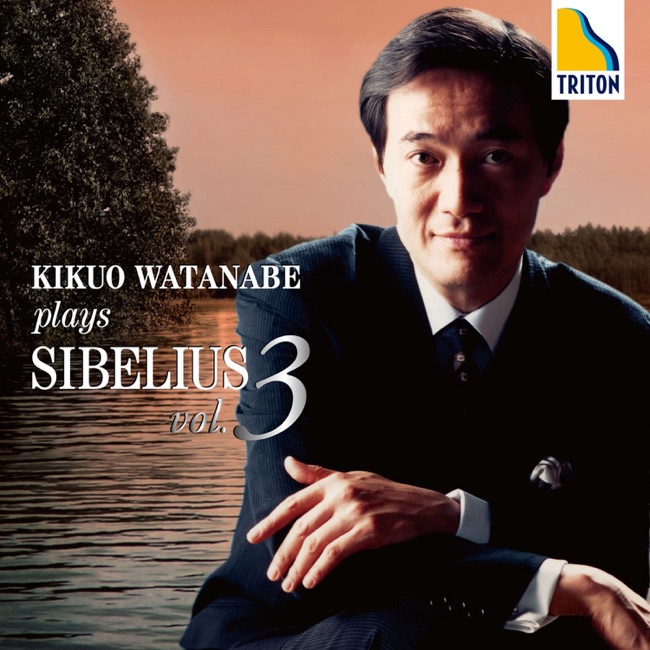
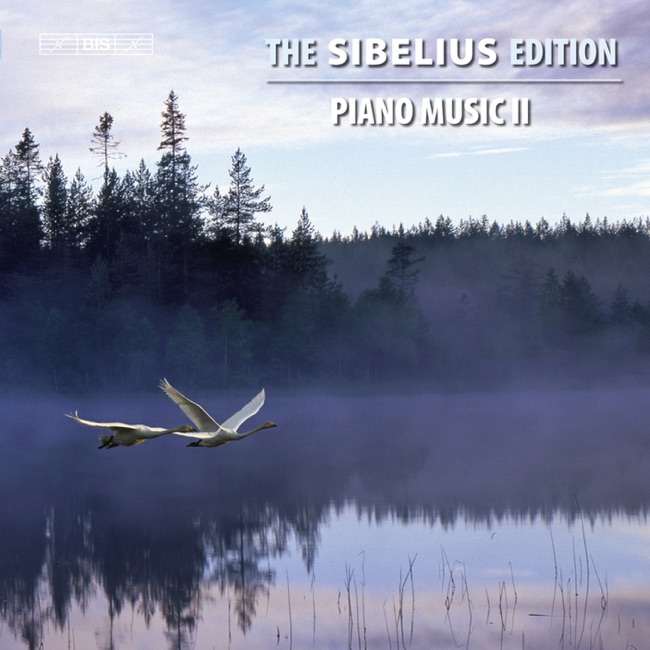

Featured Album
Works Info
Composer:Jean SibeliusGenre:KeyboardStyle:KeyboardCompose Date:1923Average_duration:14:04Movement_count:5Movement ....Jean Sibelius, a Finnish composer, wrote 'Morceaux romantiques (5), Op. 101' in 1911. The piece was premiered in Helsinki, Finland, on November 17, 1911. The composition consists of five movements, each with its own unique characteristics. The first movement, 'Esquisse,' is a delicate and introspective piece that features a lyrical melody played by the piano. The melody is then taken up by the violin, which adds a sense of warmth and intimacy to the piece. The movement ends with a return to the piano, which plays a gentle coda that brings the piece to a peaceful close. The second movement, 'Romance,' is a slow and expressive piece that features a soaring melody played by the violin. The piano provides a gentle accompaniment, which adds to the overall sense of tenderness and intimacy. The movement ends with a return to the opening melody, which is played by both instruments in unison. The third movement, 'Religioso,' is a solemn and contemplative piece that features a simple yet powerful melody played by the violin. The piano provides a sparse accompaniment, which adds to the overall sense of introspection and reflection. The movement ends with a return to the opening melody, which is played by both instruments in unison. The fourth movement, 'Adagio,' is a slow and mournful piece that features a haunting melody played by the violin. The piano provides a sparse accompaniment, which adds to the overall sense of sadness and loss. The movement ends with a return to the opening melody, which is played by both instruments in unison. The fifth and final movement, 'Impromptu,' is a lively and playful piece that features a jaunty melody played by the piano. The violin provides a lively counterpoint, which adds to the overall sense of energy and excitement. The movement ends with a return to the opening melody, which is played by both instruments in unison. Overall, 'Morceaux romantiques (5), Op. 101' is a beautiful and expressive piece that showcases Sibelius's skill as a composer. The piece is characterized by its lyrical melodies, introspective themes, and sense of tenderness and intimacy. It remains a popular work in the violin and piano repertoire to this day.More....
Works Music
Released Music


Featured Music