Luis de Milán
Pavan for vihuela No. 1
Released Album
Recent Album
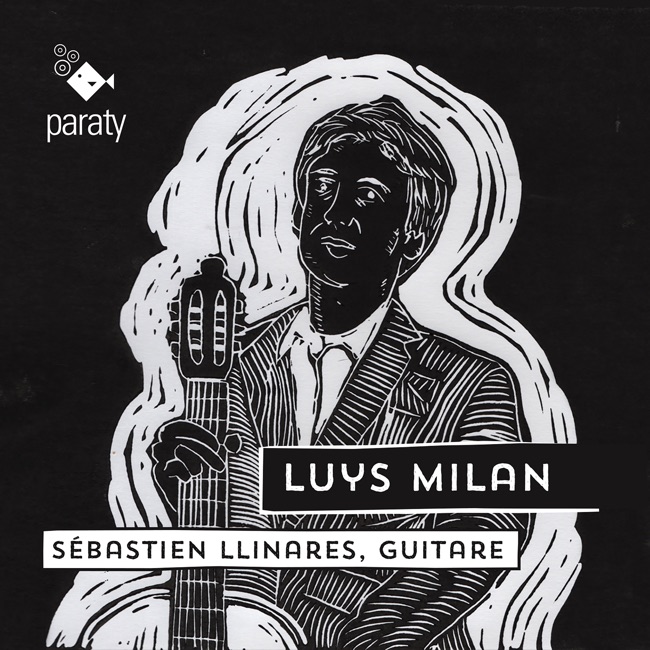
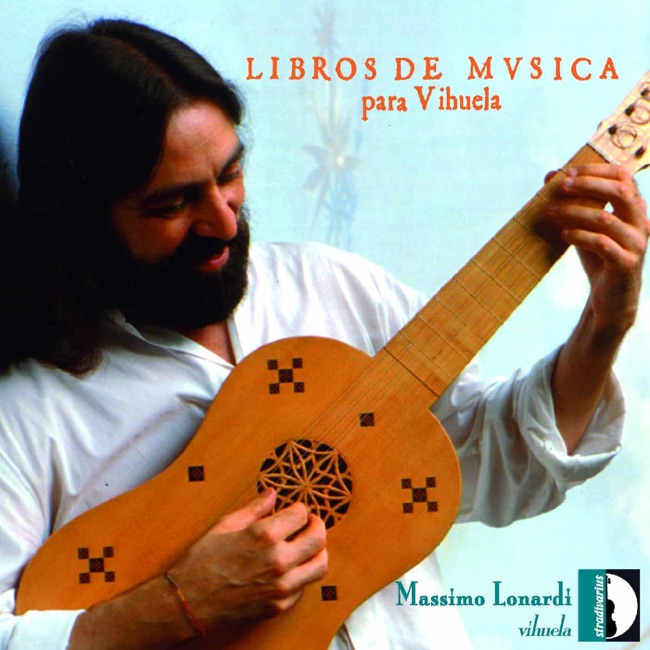
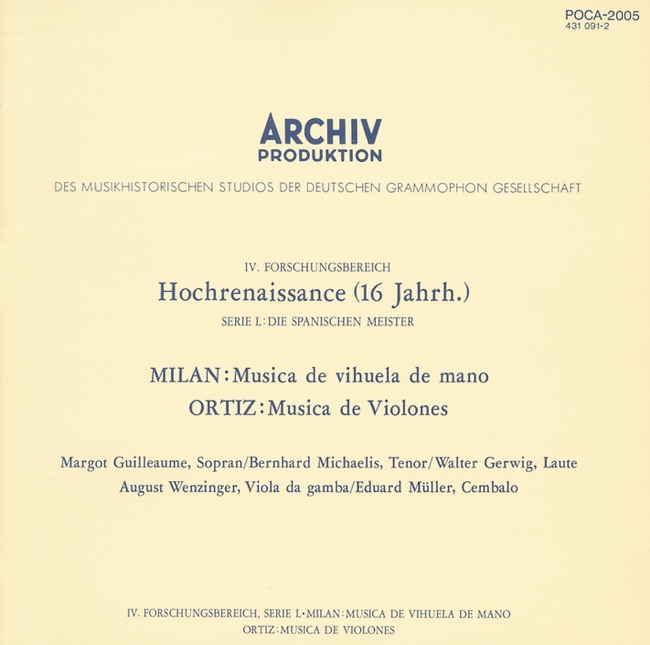
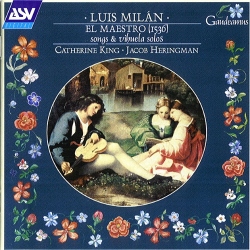
Featured Album
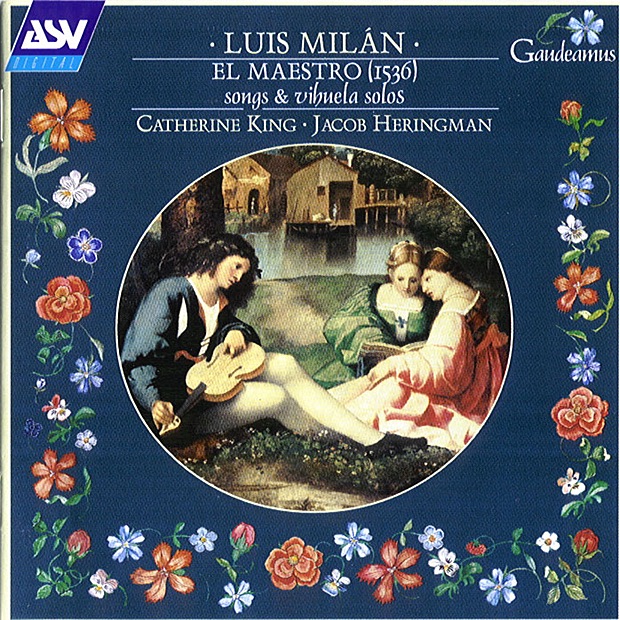
Works Info
Composer:Luis de MilánGenre:ChamberStyle:PavaneCompose Date:1536Average_duration:1:34Luis de Milán was a Spanish composer and vihuelist who lived during the Renaissance period. He is known for his contribution to the development of vihuela music, which was a popular form of instrumental music in Spain during the 16th century. One of his most famous works is the "Pavan for vihuela No. 1," which is a beautiful and intricate piece of music that showcases his skill as a composer and performer. The "Pavan for vihuela No. 1" was composed in the early 16th century, and it is believed to have been written around 1535. The piece was originally written for the vihuela, which is a stringed instrument that was popular in Spain during the Renaissance period. The vihuela is similar to a guitar, but it has a flat back and a rounded belly, which gives it a unique sound. The "Pavan for vihuela No. 1" is a four-movement piece that is characterized by its slow and stately tempo. The first movement is a pavan, which is a slow and dignified dance that was popular in the Renaissance period. The second movement is a galliard, which is a faster and more lively dance that was often performed after the pavan. The third movement is a pavane, which is a slower and more solemn version of the pavan. The final movement is a saltarello, which is a fast and lively dance that was popular in Italy during the Renaissance period. The "Pavan for vihuela No. 1" is characterized by its intricate and complex melodies, which are often played in a polyphonic style. The piece also features a number of ornamental flourishes, such as trills and arpeggios, which add to its beauty and complexity. The piece is also notable for its use of dissonance, which was a common feature of Renaissance music. Overall, the "Pavan for vihuela No. 1" is a beautiful and intricate piece of music that showcases Luis de Milán's skill as a composer and performer. Its slow and stately tempo, complex melodies, and ornamental flourishes make it a masterpiece of Renaissance music, and it remains a popular piece among vihuela players and enthusiasts to this day.More....
Works Music
Released Music
Featured Music