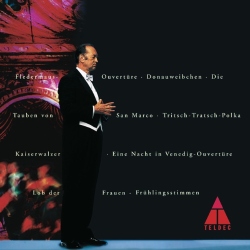
Johann Strauss II
The Pigeons of St. Mark's, Op. 414
Released Album
Recent Album
Featured Album
Works Info
Composer:Johann Strauss IIGenre:OrchestralStyle:PolkaCompose Date:1883Publication Date:1883Average_duration:4:27Johann Strauss II composed "The Pigeons of St. Mark's, Op. 414" in 1880. The piece premiered on February 10, 1880, at the Musikverein in Vienna, Austria. It is a waltz in three movements, with a total running time of approximately 10 minutes. The first movement, marked "Allegro moderato," begins with a lively melody played by the strings. The woodwinds and brass then join in, creating a joyful and energetic atmosphere. The melody is then passed around the different sections of the orchestra, with each instrument adding its own unique color to the piece. The movement ends with a grand finale, featuring a triumphant restatement of the main theme. The second movement, marked "Andantino," is more subdued and introspective. It begins with a gentle melody played by the strings, accompanied by a delicate harp. The woodwinds then take over the melody, creating a sense of longing and nostalgia. The movement builds to a climax, with the full orchestra playing a lush and romantic melody. The movement ends with a quiet coda, featuring a solo violin playing a haunting melody. The third movement, marked "Allegro," is a lively and playful dance. It begins with a jaunty melody played by the woodwinds, accompanied by a lively rhythm in the strings. The melody is then passed around the different sections of the orchestra, with each instrument adding its own unique flavor to the piece. The movement builds to a frenzied climax, with the full orchestra playing a fast and furious melody. The piece ends with a triumphant restatement of the main theme, bringing the waltz to a joyful conclusion. Overall, "The Pigeons of St. Mark's, Op. 414" is a delightful and charming waltz, showcasing Johann Strauss II's mastery of orchestration and melody. Its three movements offer a range of emotions and moods, from joyful exuberance to wistful nostalgia to playful energy. It remains a beloved piece in the repertoire of Viennese waltzes, and a testament to Strauss's enduring popularity and influence.More....
Works Music
Released Music
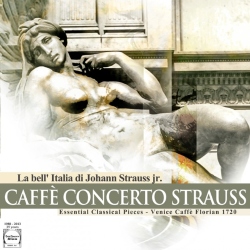
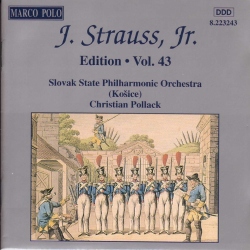
Featured Music