Gregorian Chant
Conditor alme siderum, hymn, mode 4
Released Album
Recent Album
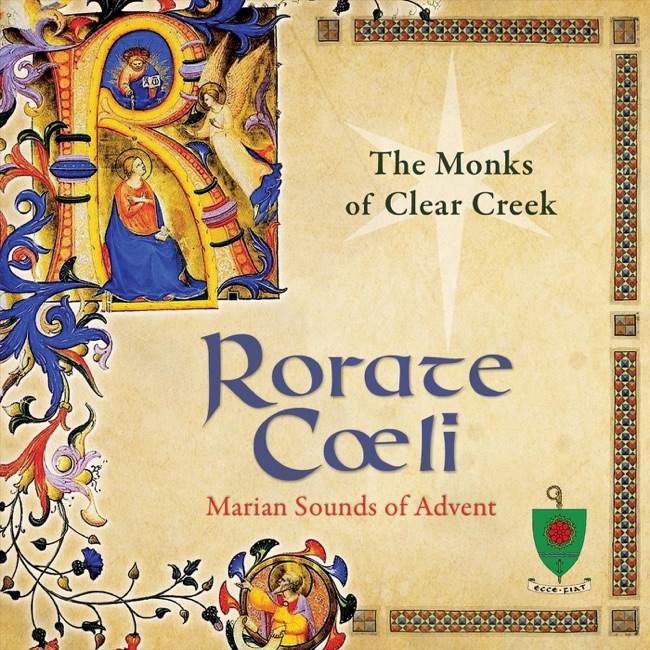



Featured Album
Works Info
Composer:Gregorian ChantGenre:ChoralStyle:ChantAverage_duration:2:09Conditor alme siderum is a hymn that belongs to the Gregorian Chant repertoire. It is a hymn that is sung during the Advent season, and it is also known as the Advent hymn. The hymn is believed to have been composed in the 7th century by an unknown author. The hymn is written in Latin, and it is sung in mode 4. The premiere of Conditor alme siderum is not known, but it is believed to have been sung in monasteries during the Advent season. The hymn has been sung for centuries, and it is still sung in churches around the world during the Advent season. The hymn has seven verses, and each verse has four lines. The hymn is sung in a slow and solemn manner, and it is usually sung by a choir. The melody of the hymn is simple and repetitive, and it is sung in a single tone. The hymn is sung in a minor key, which gives it a somber and reflective tone. The first verse of the hymn begins with the words "Conditor alme siderum," which means "Creator of the stars of night." The hymn goes on to praise God for his mercy and love, and it asks for his forgiveness and guidance. The hymn is a prayer for the coming of Christ, and it expresses the hope and longing of the faithful for his arrival. The second verse of the hymn begins with the words "Qui diceris Paraclitus," which means "Thou who art called the Comforter." The hymn goes on to describe Christ as the light of the world, and it asks for his guidance and protection. The hymn is a reminder of the role that Christ plays in the lives of the faithful, and it expresses the hope and trust that they have in him. The third verse of the hymn begins with the words "Tu septiformis munere," which means "Thou, of sevenfold gifts the giver." The hymn goes on to describe the Holy Spirit as the source of wisdom and understanding, and it asks for his guidance and inspiration. The hymn is a reminder of the role that the Holy Spirit plays in the lives of the faithful, and it expresses the hope and trust that they have in him. The fourth verse of the hymn begins with the words "Tu, lumen, et splendor Patris," which means "Thou, the Father's light and splendor." The hymn goes on to describe Christ as the source of light and truth, and it asks for his guidance and enlightenment. The hymn is a reminder of the role that Christ plays in the lives of the faithful, and it expresses the hope and trust that they have in him. The fifth verse of the hymn begins with the words "Intende, qui regis Israel," which means "O come, thou King of David, come." The hymn goes on to express the longing of the faithful for the coming of Christ, and it asks for his mercy and salvation. The hymn is a prayer for the coming of Christ, and it expresses the hope and longing of the faithful for his arrival. The sixth verse of the hymn begins with the words "Tu vincis per saecula," which means "Thou conqueror of the nations." The hymn goes on to describe Christ as the conqueror of sin and death, and it asks for his victory over evil. The hymn is a reminder of the power and glory of Christ, and it expresses the hope and trust that the faithful have in him. The seventh verse of the hymn begins with the words "Salvator mundi, Domine," which means "Savior of the world, O Lord." The hymn goes on to express the gratitude and praise of the faithful for the salvation that Christ has brought to the world.More....
Works Music
Released Music
1
Conditor alme siderum, anthem, mode 4
Hymn: Conditor alme siderum (Advent and Marian Offices)
1:59

7
1:58
8
Conditor alme siderum, anthem, mode 4
Conditor Alme Siderum (Adventus Domini - Domeniche e Ultime Ferie di Avvento)
1:55
Featured Music
2
36