


Matthew Locke
Suite, No. 3 in D minor/ major
Released Album
Recent Album
Works Info
Composer:Matthew LockeGenre:ChamberStyle:SuiteCompose Date:1672Average_duration:8:55Matthew Locke's Suite No. 3 in D minor/major is a Baroque-era composition that was written in the mid-17th century. The suite is comprised of six movements, each with its own unique characteristics and style. The suite was first premiered in London in the 1660s, during the reign of King Charles II. It was a popular piece of music during this time, and was often performed at court and in public concerts. The first movement of the suite is a prelude, which sets the tone for the rest of the piece. It is a slow and stately introduction, with a simple melody that is repeated throughout the movement. The second movement is a lively and energetic allemande, which features a fast-paced melody and intricate rhythms. The third movement is a courante, which is a French dance that was popular during the Baroque era. It is characterized by its quick tempo and lively rhythms, and is often played in triple meter. The fourth movement is a sarabande, which is a slow and solemn dance that was also popular during this time. It is characterized by its slow tempo and expressive melodies. The fifth movement is a gigue, which is a fast and lively dance that was popular in both France and England during the Baroque era. It is characterized by its quick tempo and intricate rhythms, and is often played in compound meter. The final movement of the suite is a chaconne, which is a dance that was popular in Spain during the Baroque era. It is characterized by its repetitive bass line, which is played throughout the movement. Overall, Matthew Locke's Suite No. 3 in D minor/major is a beautiful and complex piece of music that showcases the composer's skill and creativity. Its six movements each have their own unique characteristics and style, making it a diverse and interesting composition that is still enjoyed by audiences today.More....
Works Music
Released Music
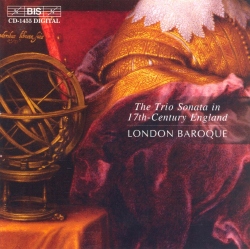
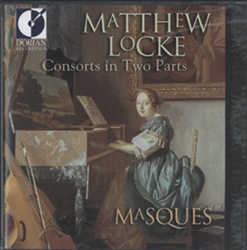
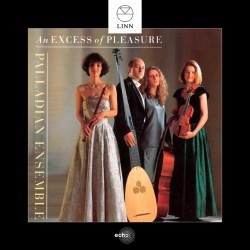
4
11: