Jean-Baptiste Davaux
Symphonie Concertante Mêlée D'Airs Patriotiques for 2 violins & orchestra in G
Released Album
Recent Album
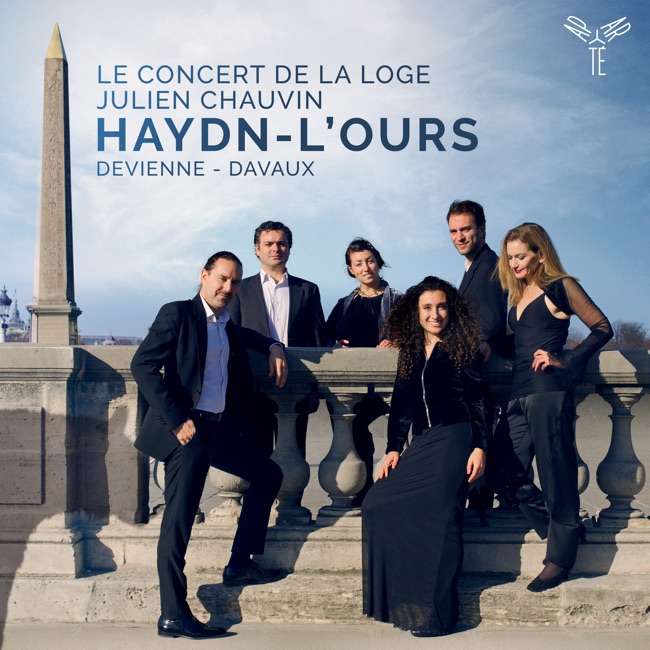
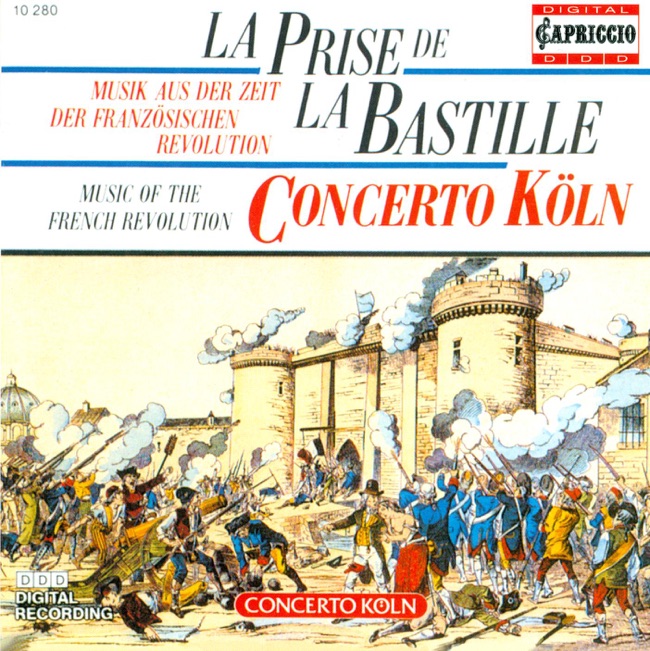
Works Info
Composer:Jean-Baptiste DavauxGenre:ConcertoStyle:ConcertoCompose Date:1794Average_duration:21:33Jean-Baptiste Davaux's 'Symphonie Concertante Mêlée D'Airs Patriotiques for 2 violins & orchestra in G' was composed in the late 18th century, around 1780. The piece was premiered in Paris, France, and was well-received by audiences and critics alike. The symphony is divided into three movements, each with its own unique characteristics. The first movement is marked by its lively and energetic tempo, with the violins and orchestra playing in unison to create a sense of urgency and excitement. The second movement is slower and more contemplative, with the violins taking center stage and playing a series of intricate and delicate melodies. The final movement is marked by its fast and frenetic pace, with the violins and orchestra playing in a complex and intricate interplay that showcases the virtuosity of the performers. One of the most notable characteristics of the symphony is its use of patriotic themes and motifs. Davaux was a staunch supporter of the French Revolution, and his music often reflected his political beliefs. In this symphony, he incorporates a number of popular patriotic songs and melodies, including 'La Marseillaise', the French national anthem. This use of patriotic themes was not uncommon in music of the time, as many composers sought to express their political beliefs through their art. Overall, Davaux's 'Symphonie Concertante Mêlée D'Airs Patriotiques for 2 violins & orchestra in G' is a lively and engaging piece of music that showcases the composer's skill and creativity. Its use of patriotic themes and motifs adds an extra layer of meaning and significance to the work, making it a powerful expression of the political and cultural climate of the time.More....
Works Music
Released Music
1
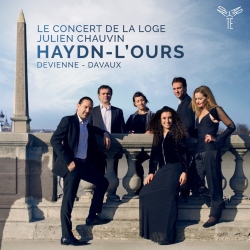
9:54
2
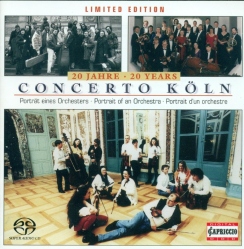
6:27
3
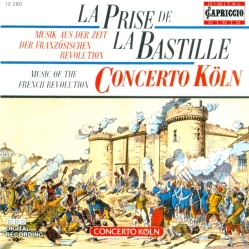
Symphonie Concertante Mêlée D'Airs Patriotiques for 2 violins & orchestra in G major
Movement 1: Allegro moderato
10:7