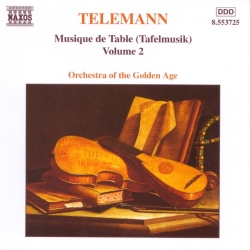
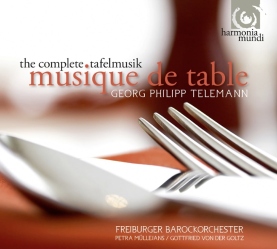
Georg Philipp Telemann
Sinfonia for 2 flutes, 2 oboes, bassoon, strings & continuo in E minor, TWV 50:5
Released Album
Recent Album
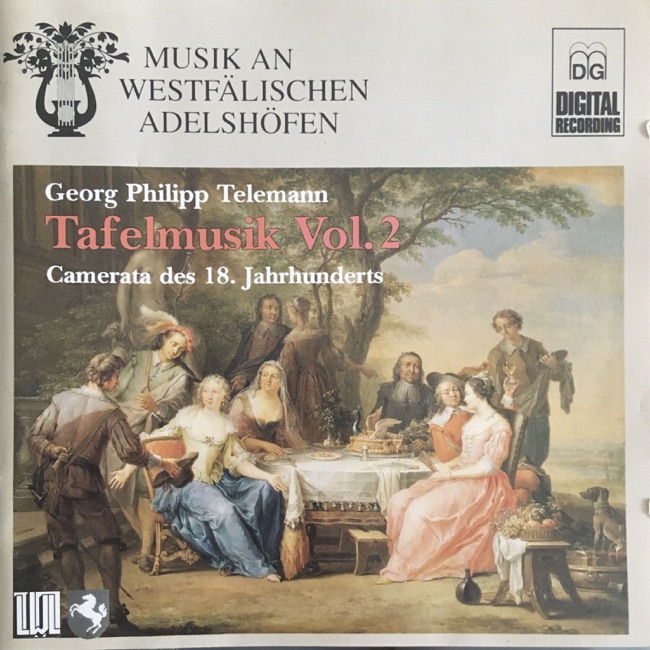
Featured Album
Works Info
Composer:Georg Philipp TelemannGenre:OrchestralStyle:OrchestralCompose Date:1733Publication Date:1733Average_duration:4:56Georg Philipp Telemann's Sinfonia for 2 flutes, 2 oboes, bassoon, strings & continuo in E minor, TWV 50:5, was composed in the early 18th century. The exact date of composition is unknown, but it is believed to have been written between 1716 and 1721. The piece was premiered in Hamburg, Germany, where Telemann was the director of music for the city. The Sinfonia is divided into four movements: Adagio, Allegro, Largo, and Presto. The first movement, Adagio, is a slow and solemn introduction that sets the tone for the rest of the piece. The second movement, Allegro, is a lively and energetic dance that features the flutes and oboes in a playful dialogue with the strings. The third movement, Largo, is a slow and expressive aria that showcases the beauty of the oboe and bassoon. The final movement, Presto, is a fast and lively dance that brings the piece to a thrilling conclusion. One of the characteristics of Telemann's Sinfonia is its use of counterpoint. The different instruments are often playing different melodies at the same time, creating a complex and intricate texture. Another characteristic is the use of ornamentation, particularly in the flute and oboe parts. This adds a sense of virtuosity and elegance to the piece. Overall, Telemann's Sinfonia for 2 flutes, 2 oboes, bassoon, strings & continuo in E minor, TWV 50:5, is a masterful example of Baroque music. Its combination of intricate counterpoint, virtuosic ornamentation, and lively dance rhythms make it a joy to listen to and a testament to Telemann's skill as a composer.More....
Works Music
Released Music
1
5:32
2
5:2
3
Sinfonia for 2 flutes, 2 oboes, bassoon, strings & continuo in E minor, TWV 50:5
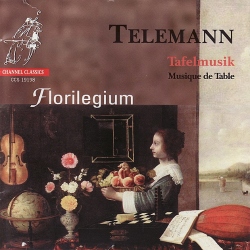
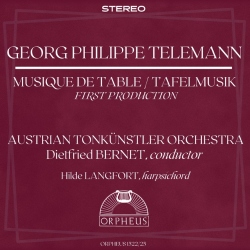
6. Conclusion in E minor: Allegro - Largo - Allegro da capo (Tafelmusik (Musique de table) Production I)
5:29
4
Sinfonia for 2 flutes, 2 oboes, bassoon, strings & continuo in E minor, TWV 50:5
I. Allegro - Largo - Allegro
4:59
5
4:58
6
4:42
7
4:59
8
4:39
9
6:13
Featured Music