


Johann Christian Bach
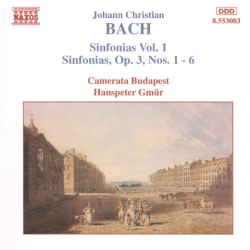
Symphony for orchestra "No. 1" in D major, Op. 3/1, CW C1a (T. 262/4)
Released Album
Recent Album
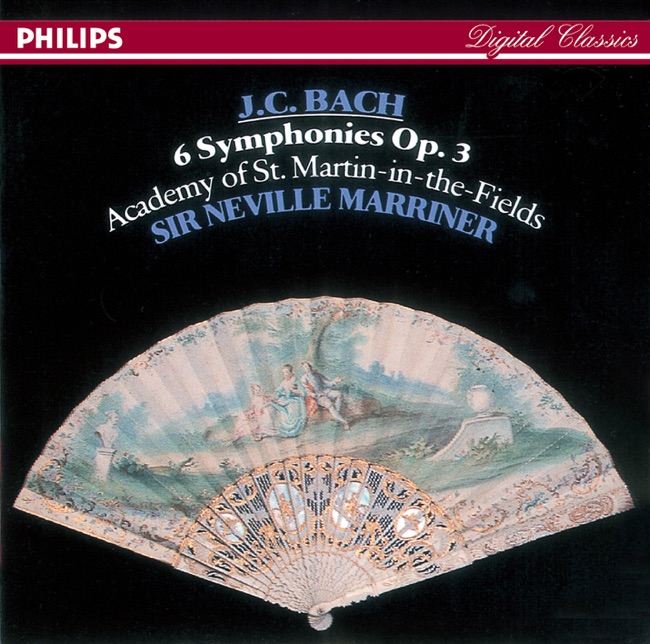
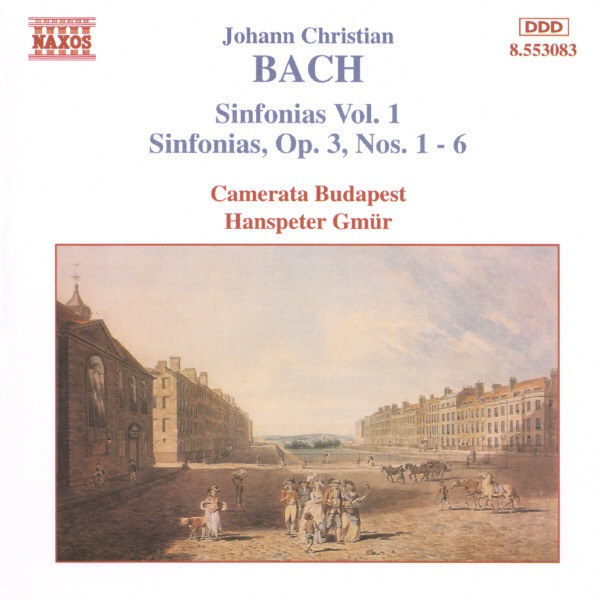
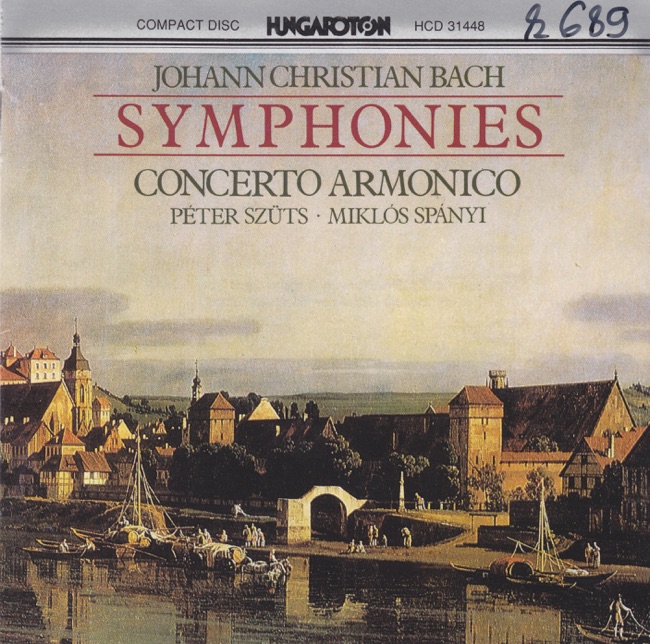
Featured Album
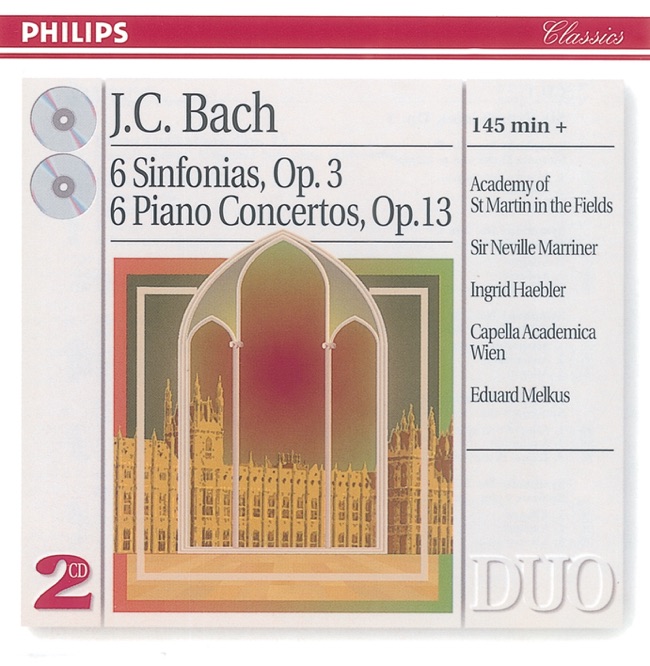
Works Info
Composer:Johann Christian BachGenre:SymphonyStyle:SymphonyCompose Date:1765Publication Date:1765Average_duration:10:06Movement_count:3Movement ....Johann Christian Bach's Symphony for Orchestra No. 1 in D major, Op. 3/1, CW C1a (T. 262/4) was composed in the mid-18th century. It premiered in London in 1763, where Bach was working as a composer and conductor for the King's Theatre. The symphony is comprised of three movements: Allegro, Andante, and Allegro assai. The first movement, Allegro, is in sonata form and begins with a lively and energetic theme played by the strings. The theme is then passed on to the woodwinds and brass, creating a sense of unity and balance between the different sections of the orchestra. The development section features a more complex and intricate interplay between the different themes, showcasing Bach's skill as a composer. The second movement, Andante, is a slow and lyrical piece that features a beautiful melody played by the strings. The woodwinds and brass provide a delicate accompaniment, creating a sense of intimacy and tenderness. The movement is notable for its use of chromaticism, which adds a sense of emotional depth and complexity to the piece. The final movement, Allegro assai, is a lively and energetic piece that features a fast-paced and intricate interplay between the different sections of the orchestra. The movement is characterized by its use of syncopation, which creates a sense of tension and excitement. The movement ends with a triumphant and joyful coda, bringing the symphony to a satisfying conclusion. Overall, Bach's Symphony for Orchestra No. 1 in D major is a masterful work that showcases his skill as a composer and conductor. The symphony is characterized by its use of intricate interplay between the different sections of the orchestra, its use of chromaticism and syncopation, and its overall sense of balance and unity. It remains a beloved and influential work in the classical music canon.More....
Works Music
Released Music
1
4:40
3
4:40
5
3:48
7
3:47
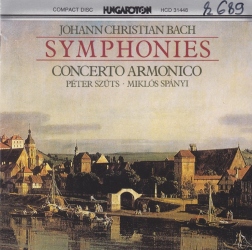
Featured Music
2
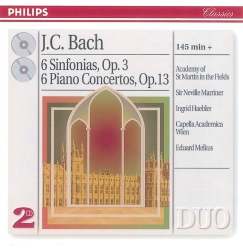
3:1
3
2:32