John Cage
Cheap Imitation
Released Album
Recent Album
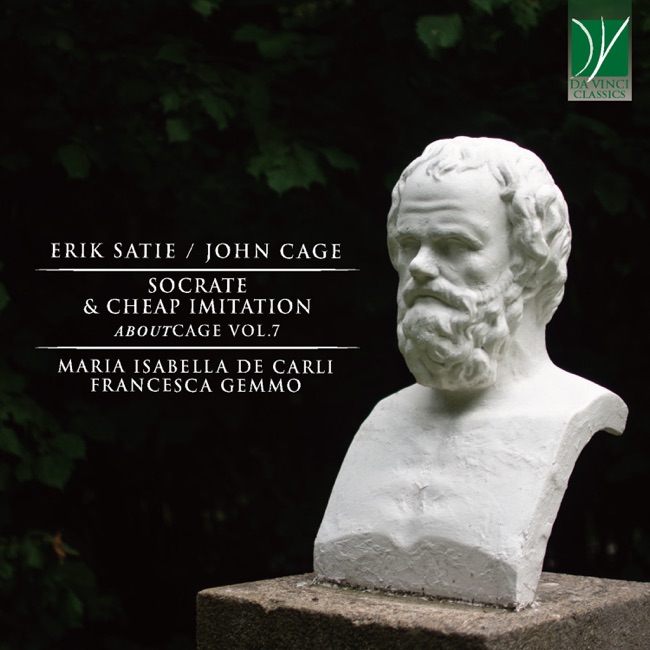
Featured Album
Works Info
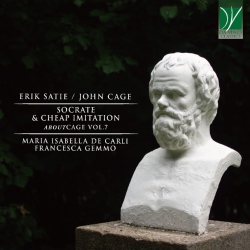
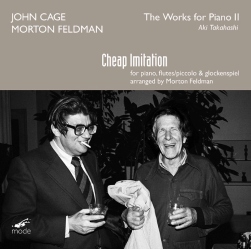
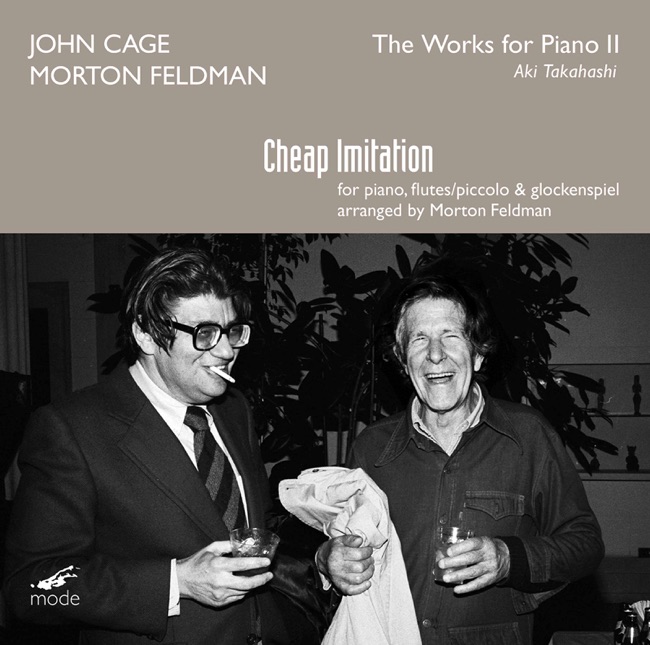
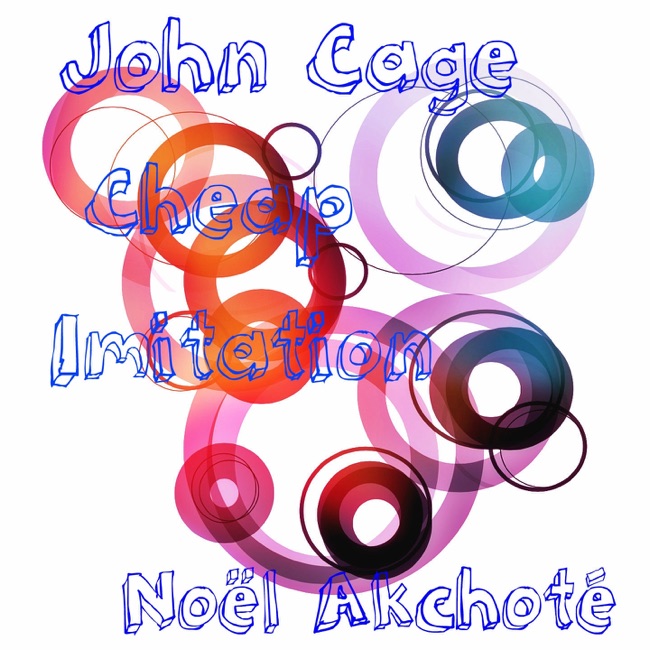
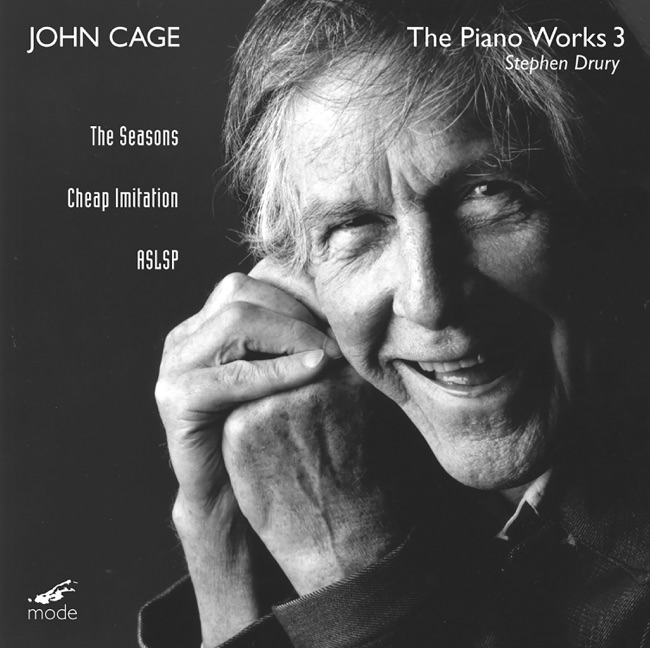
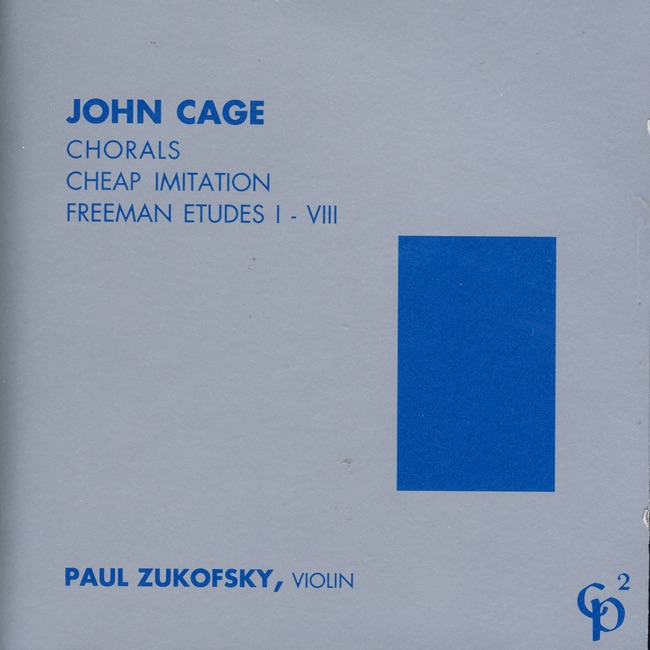
Composer:John CageGenre:KeyboardStyle:PieceCompose Date:1969Average_duration:35:34Movement_count:3Movement ....John Cage's "Cheap Imitation" is a composition for solo piano that was composed in 1969. The piece was premiered on May 27, 1969, at the University of Illinois by pianist David Tudor. The composition is based on Erik Satie's "Socrate," a work for voice and piano that was composed in 1918. "Cheap Imitation" is divided into four movements, each of which is based on a different section of Satie's "Socrate." The first movement is based on the opening section of Satie's work, while the second movement is based on the second section. The third movement is based on the third section, and the fourth movement is based on the final section. One of the most notable characteristics of "Cheap Imitation" is its use of chance operations. Cage used a variety of chance operations to determine the pitch, rhythm, and duration of the notes in the composition. This approach to composition was a hallmark of Cage's work, and it allowed him to create music that was unpredictable and often surprising. Another characteristic of "Cheap Imitation" is its use of silence. Cage was known for his use of silence in his compositions, and "Cheap Imitation" is no exception. The piece features several moments of silence, which serve to create a sense of tension and anticipation in the listener. Overall, "Cheap Imitation" is a unique and innovative composition that showcases Cage's experimental approach to music. Its use of chance operations and silence make it a fascinating and engaging work that continues to be studied and performed today.More....