


Antonio Vivaldi
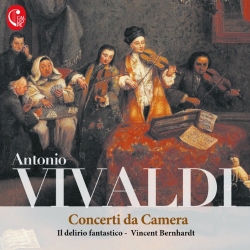
Chamber Concerto, for flute, oboe, violin, bassoon in F major, RV 99
Released Album
Recent Album
-
-
-
-
-
 I solisti del festival di pentecosteNovember 30, 2012
 -
-
-
-
-
-
-
Featured Album
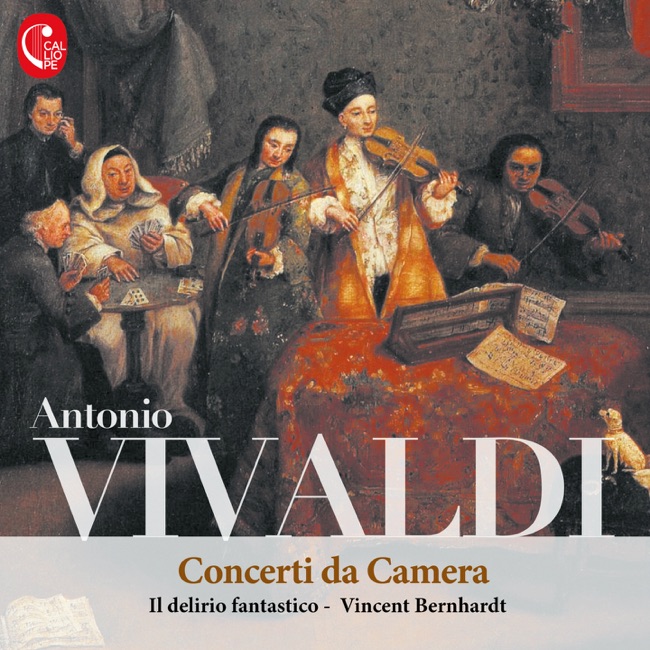

Works Info
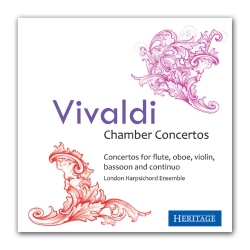
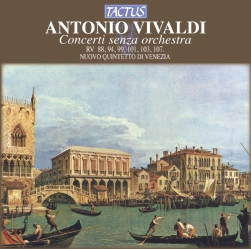
Composer:Antonio VivaldiGenre:ConcertoStyle:ConcertoCompose Date:1716Average_duration:7:44Movement_count:3Movement ....Antonio Vivaldi's Chamber Concerto for flute, oboe, violin, and bassoon in F major, RV 99, is a delightful example of the composer's mastery of the concerto form. The piece was composed in the early 18th century, during Vivaldi's tenure as music director at the Ospedale della Pietà in Venice, where he wrote many of his most famous works. The Chamber Concerto is comprised of three movements: Allegro, Largo, and Allegro. The first movement is a lively and energetic Allegro, featuring virtuosic solos from each of the four instruments. The second movement, Largo, is a beautiful and lyrical adagio, with the flute and oboe taking turns playing the main melody. The final movement, Allegro, is a fast and playful finale, with the instruments trading off rapid-fire runs and trills. One of the most striking characteristics of the Chamber Concerto is its use of counterpoint, or the interweaving of multiple melodic lines. Vivaldi was a master of this technique, and the piece is full of intricate and complex harmonies that showcase the individual talents of each instrument. The flute and oboe, for example, often play in unison or in close harmony, while the violin and bassoon provide a rich and full-bodied accompaniment. Another notable feature of the Chamber Concerto is its use of ritornello form, a common structure in Baroque music in which a recurring theme or melody is interspersed with solo sections. In the first and third movements, the opening ritornello is played by the full ensemble, followed by solo sections for each instrument. The second movement, however, is more free-form, with the flute and oboe taking turns playing the main melody. The Chamber Concerto for flute, oboe, violin, and bassoon in F major, RV 99, premiered in Venice in the early 18th century, and has since become a beloved staple of the Baroque repertoire. Its lively and virtuosic solos, intricate counterpoint, and playful rhythms make it a joy to listen to and perform, and a testament to Vivaldi's enduring legacy as one of the greatest composers of the Baroque era.More....
Works Music
Released Music
1
3:32
2
1:47
3
2:16
4
1:49
5
2:28
6
3:32
7
2:44
8
2:1
9
3:17
10
3:32
Featured Music
1
3:47
2
1:43
3
2:17
4
4:7
5
1:41
6
2:32