Federico García Lorca
Sevillanas del siglo XVIII
Released Album
Recent Album
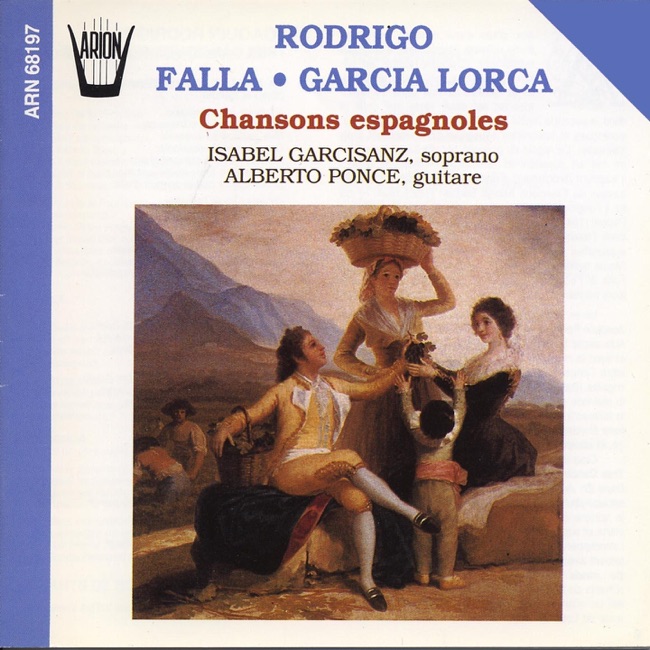
Featured Album
Works Info
Composer:Federico García LorcaGenre:VocalStyle:Vocal MusicAverage_duration:2:36Sevillanas del siglo XVIII is a musical composition by Federico García Lorca, a Spanish poet, playwright, and musician. The piece was composed in the early 20th century and premiered in 1922 in Granada, Spain. It is a suite of four movements, each of which is based on a traditional Sevillanas dance. The first movement, titled "La Tarara," is a lively and rhythmic dance that features a fast tempo and intricate footwork. The melody is characterized by its use of syncopation and ornamentation, which give it a distinctly Spanish flavor. The second movement, "Los Cuatro Muleros," is a slower and more contemplative dance that features a haunting melody and a melancholic mood. The third movement, "Las Tres Hojas," is a lively and playful dance that features a catchy melody and a joyful mood. The final movement, "Los Peregrinitos," is a celebratory dance that features a fast tempo and a festive mood. One of the most notable characteristics of Sevillanas del siglo XVIII is its use of traditional Spanish musical forms and rhythms. Lorca was deeply influenced by the folk music of his native Andalusia, and he incorporated many of these elements into his compositions. The piece also features Lorca's signature use of poetry and symbolism, with each movement evoking a different mood and emotion. Overall, Sevillanas del siglo XVIII is a masterful example of Lorca's unique musical style and his deep connection to the cultural traditions of Spain. Its premiere in 1922 was a significant moment in Lorca's career, and it remains a beloved and influential work in the canon of Spanish music.More....
Works Music
Released Music
1
4:17
6
2:51
7
2:18
8
2:55
Featured Music