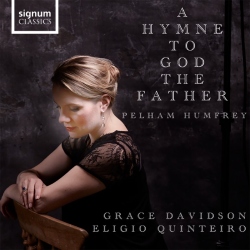
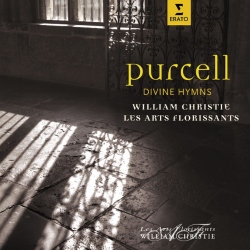
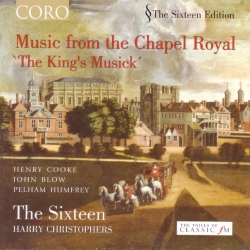
Pelham Humfrey
A Hymn to God the Father
Released Album
Recent Album

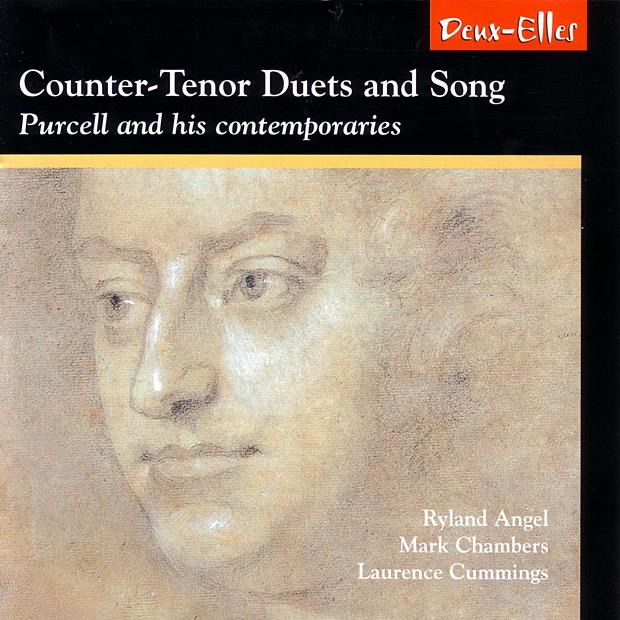
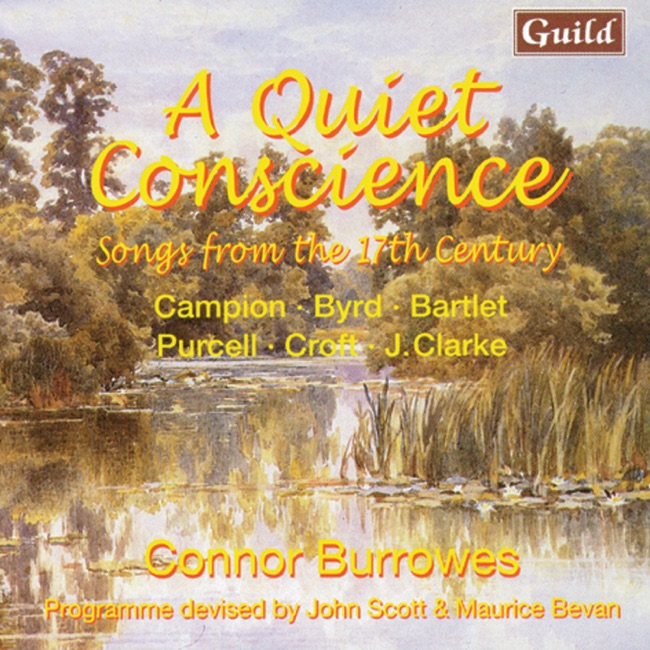

Works Info
Composer:Pelham HumfreyGenre:VocalStyle:HymnCompose Date:1688Average_duration:3:03'A Hymn to God the Father' is a sacred choral work composed by Pelham Humfrey, an English composer of the Baroque era. The hymn was composed in the mid-17th century and was first performed in the Chapel Royal in London. The exact date of composition and premiere is not known, but it is believed to have been written during Humfrey's tenure as a Gentleman of the Chapel Royal, which began in 1661. The hymn is divided into four movements, each of which is characterized by its own unique musical style and mood. The first movement is a solemn and introspective setting of the text, "Lord, I have sinned, and I confess." The second movement is a lively and joyful setting of the text, "My God, my God, why hast thou forsaken me?" The third movement is a contemplative and meditative setting of the text, "O Lord, in thee have I trusted." The final movement is a triumphant and exultant setting of the text, "Glory be to the Father, and to the Son, and to the Holy Ghost." The musical characteristics of 'A Hymn to God the Father' reflect the Baroque style of the time. The work is written for a four-part choir, with each voice part having its own distinct melody and harmony. The music is characterized by its use of counterpoint, in which multiple melodies are played simultaneously, creating a complex and rich texture. The harmonies are often chromatic, with unexpected chord progressions and dissonances adding to the emotional intensity of the music. Overall, 'A Hymn to God the Father' is a powerful and moving work that reflects the religious fervor of the Baroque era. Its combination of solemnity, joy, contemplation, and triumph make it a fitting tribute to the glory of God.More....
Works Music
Released Music