


Ludwig van Beethoven
Opferlied, Op. 121b
Released Album
Recent Album
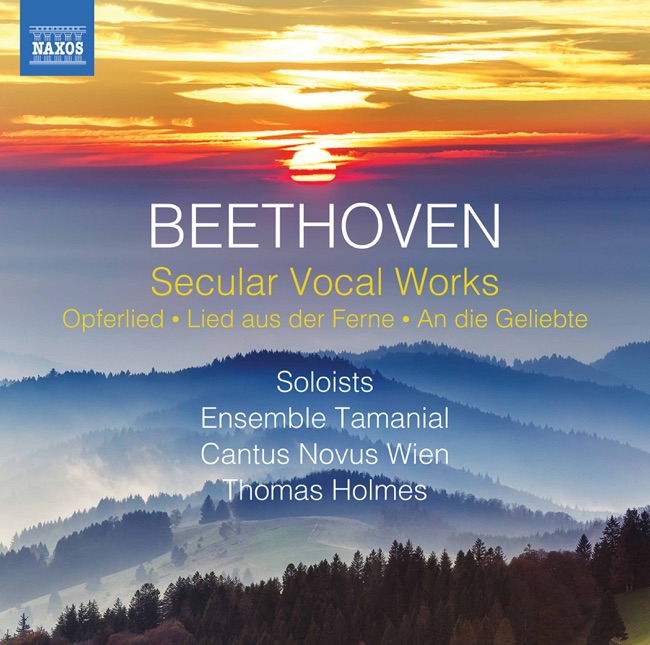
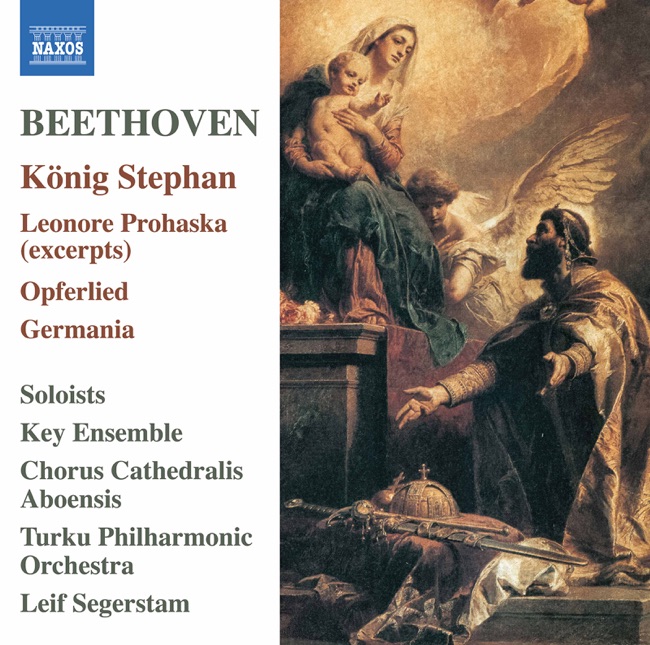
Featured Album
Works Info
Composer:Ludwig van BeethovenGenre:ChoralStyle:ChoralCompose Date:1824Average_duration:7:26Opferlied, Op. 121b is a choral work composed by Ludwig van Beethoven in 1822. The piece was premiered on March 22, 1823, in Vienna, Austria. The work consists of three movements and is approximately 15 minutes in length. The first movement, marked "Adagio ma non troppo," begins with a solemn and mournful melody in the strings. The choir enters with a prayer-like text, "Gottes Engel weichen nie," which translates to "God's angels never depart." The choir and orchestra alternate between the melody and the text, creating a sense of reverence and devotion. The second movement, marked "Allegretto," is a lively and joyful contrast to the first movement. The choir sings a text that praises God's creation, "Die Himmel rühmen des Ewigen Ehre," which translates to "The heavens praise the eternal glory." The orchestra provides a playful accompaniment, with the strings and woodwinds imitating bird calls and other sounds of nature. The final movement, marked "Adagio ma non troppo," returns to the solemn mood of the first movement. The choir sings a text that speaks of sacrifice and devotion, "O heil'ger Gott, o heil'ger starker Gott," which translates to "O holy God, O holy strong God." The orchestra provides a rich and powerful accompaniment, with the brass and percussion adding to the sense of grandeur and majesty. Opferlied, Op. 121b is characterized by Beethoven's use of rich harmonies, expressive melodies, and dramatic contrasts. The work showcases Beethoven's mastery of choral writing, with the choir and orchestra working together to create a powerful and moving musical experience. The piece is a testament to Beethoven's deep faith and his belief in the power of music to express the most profound human emotions.More....
Works Music
Released Music
1
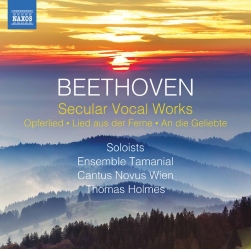
Sacrificial Song, Op. 121b
Opferlied, Hess 91 (2nd setting, Op. 121b, version for voice, choir and piano)
5:21
4
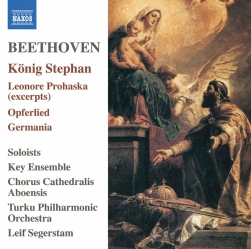
Sacrificial Song, Op. 121b
Opferlied, Op. 121 b (2nd setting, version for 3 voices, choir and orchestra)
7:21
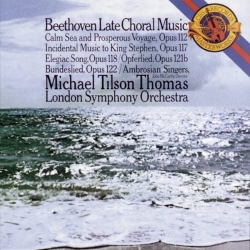
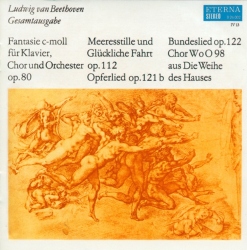
Featured Music
1
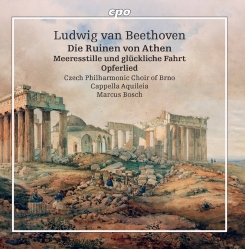
Sacrificial Song, Op. 121b
Opferlied Op. 121b für eine Singstimme (Wilson), Chor und Orchester
5:4
Main Perform Artists
Mezzo-Soprano (Vocal)