Hieronymus Praetorius
Cantate Domino canticum novum
Released Album
Recent Album
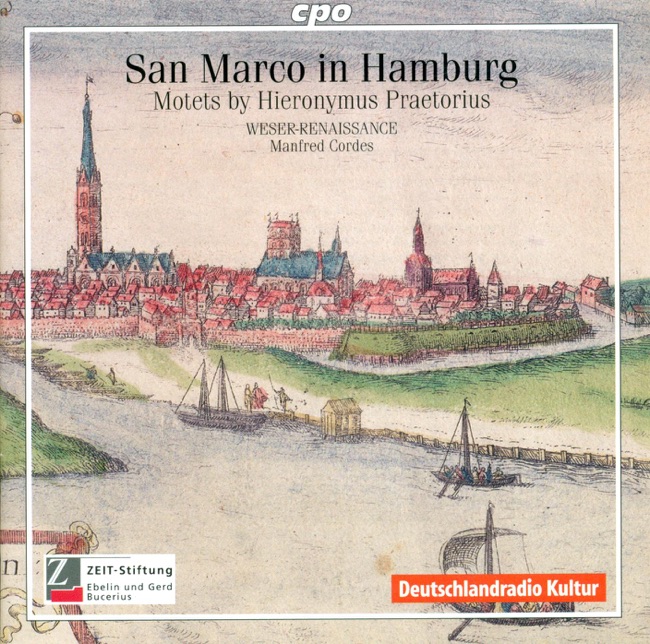
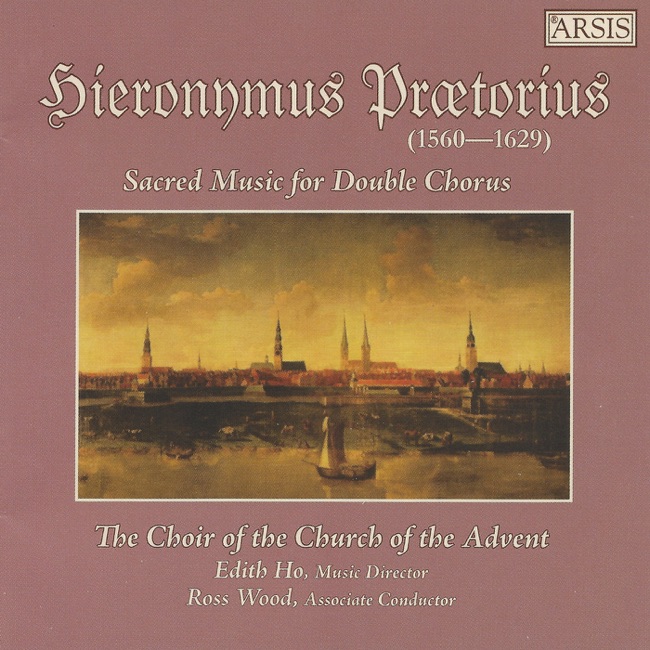
Works Info
Composer:Hieronymus PraetoriusGenre:ChoralStyle:MotetAverage_duration:9:42Hieronymus Praetorius was a German composer and organist who lived from 1560 to 1629. He was a member of a famous musical family, which included his father Jacob Praetorius and his cousin Michael Praetorius. Hieronymus Praetorius composed a number of works for the church, including his famous motet "Cantate Domino canticum novum." The motet "Cantate Domino canticum novum" was composed in the late 16th century, and it premiered in Hamburg, Germany. The piece is written for four voices (soprano, alto, tenor, and bass) and is based on Psalm 96. The motet is divided into three movements, each with its own distinct characteristics. The first movement is marked "Allegro" and is in a lively, dance-like rhythm. The soprano and alto voices sing the main melody, while the tenor and bass voices provide a rhythmic accompaniment. The text of the first movement is a call to sing a new song to the Lord, and the music reflects the joy and exuberance of this call. The second movement is marked "Adagio" and is in a slower, more contemplative tempo. The soprano and alto voices sing a beautiful, flowing melody, while the tenor and bass voices provide a gentle, supportive accompaniment. The text of the second movement is a meditation on the glory and majesty of the Lord, and the music reflects this sense of awe and wonder. The third movement is marked "Allegro" and is in a fast, energetic tempo. The soprano and alto voices sing a lively, syncopated melody, while the tenor and bass voices provide a driving, rhythmic accompaniment. The text of the third movement is a call to all the earth to sing praises to the Lord, and the music reflects the exultant, triumphant nature of this call. Overall, "Cantate Domino canticum novum" is a beautiful and uplifting work that showcases Hieronymus Praetorius's skill as a composer. The piece is characterized by its lively rhythms, beautiful melodies, and rich harmonies, and it remains a beloved work in the choral repertoire to this day.More....
Works Music