


Hieronymus Praetorius
Released Album
Choral
-
 November 5, 2021
 -
 August 6, 2021
 -
-
 September 14, 2018
 -
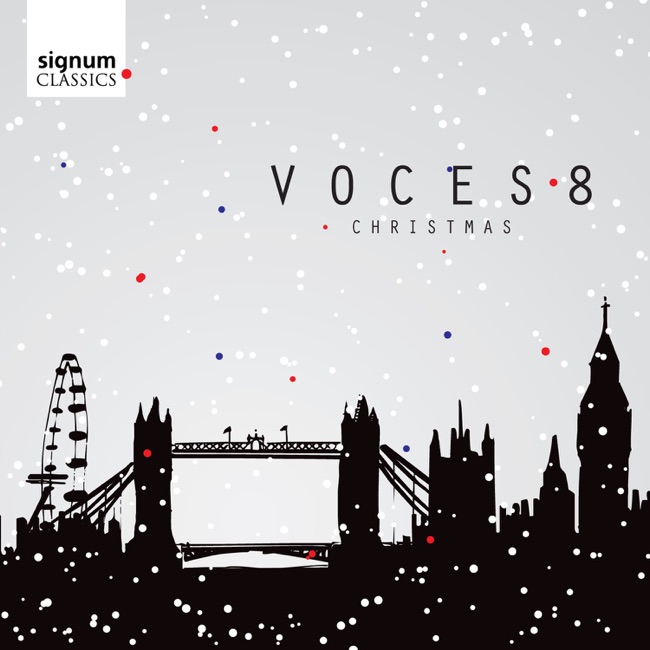 April 24, 2012
 -
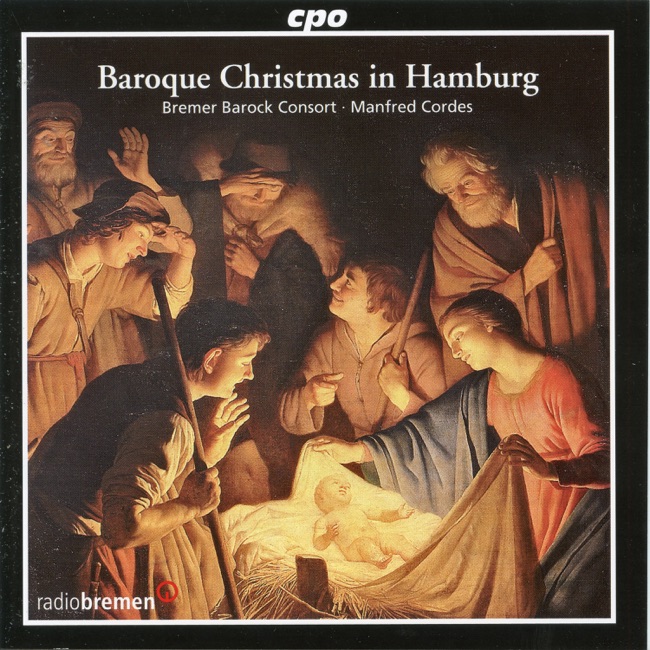 November 16, 2010
Miscellaneous
-
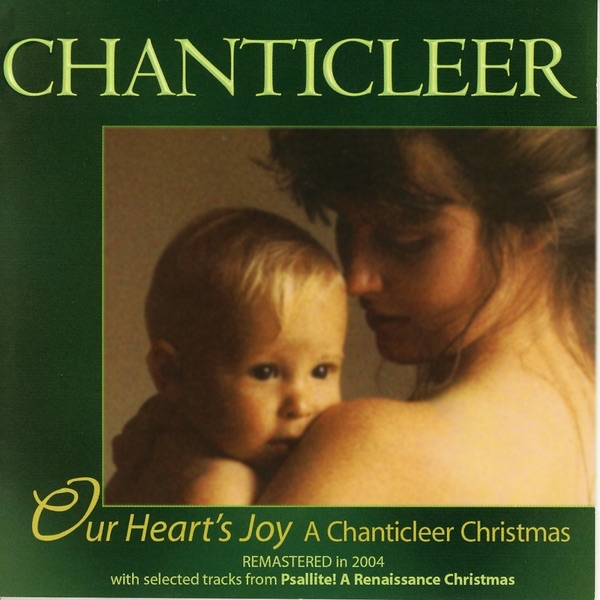 November 15, 2011
 -
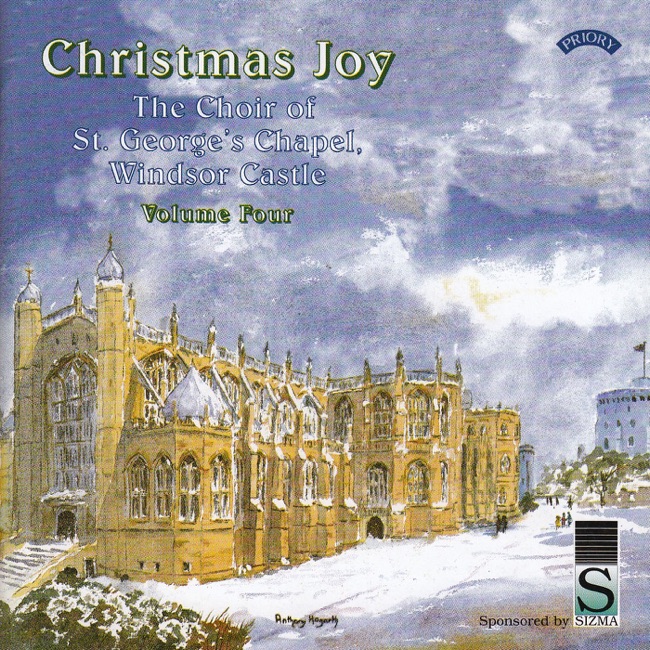 September 28, 1999
Keyboard
-
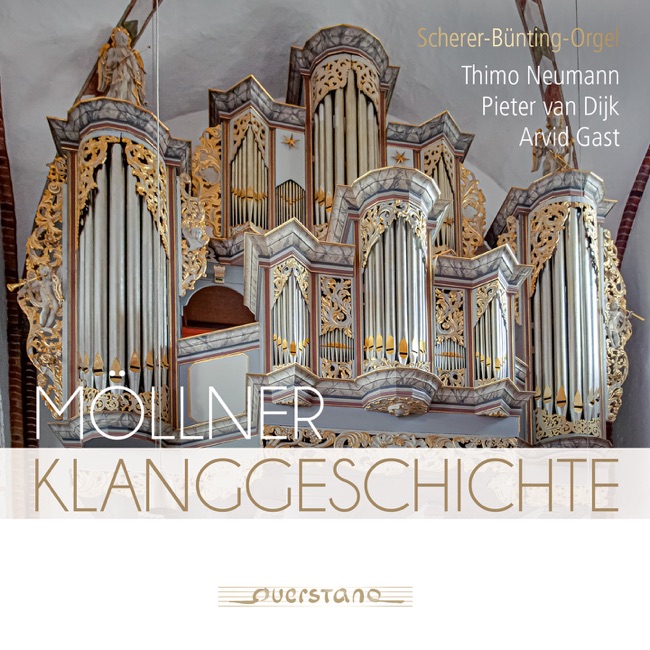 January 3, 2025
 -
 January 13, 2015
 -
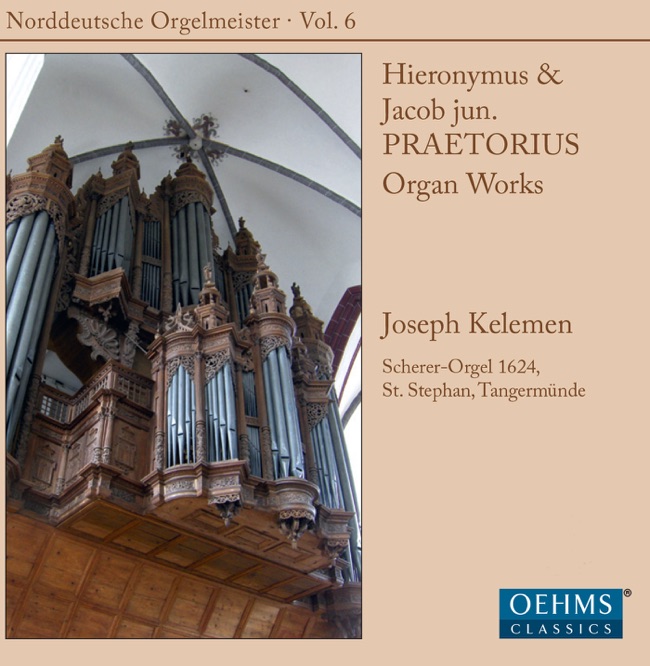
-
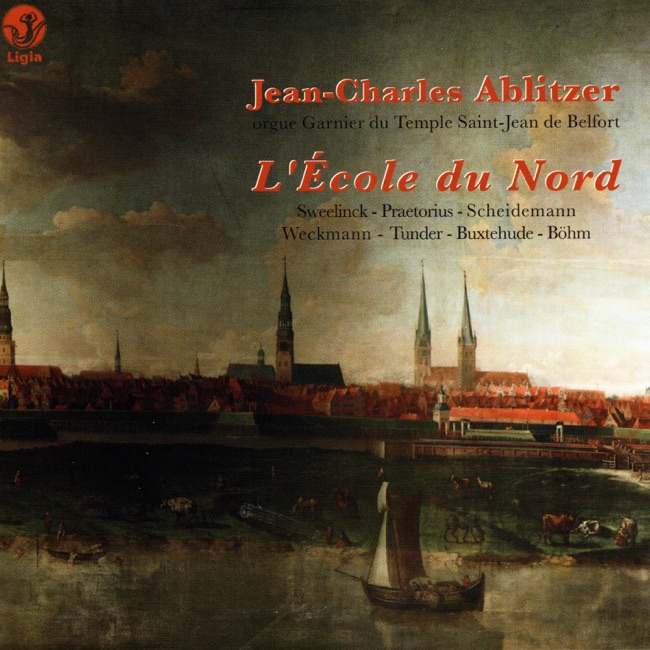 February 1, 2014
 -
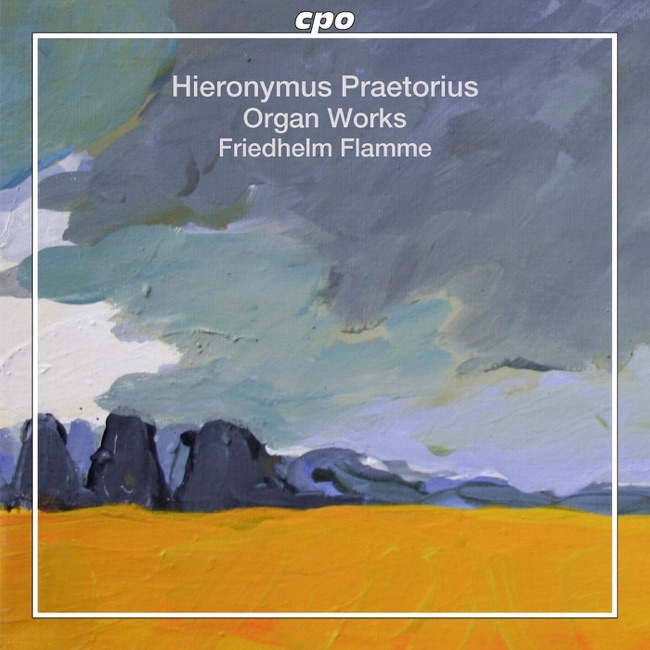 August 28, 2012
 -
 November 11, 2008
Vocal
-
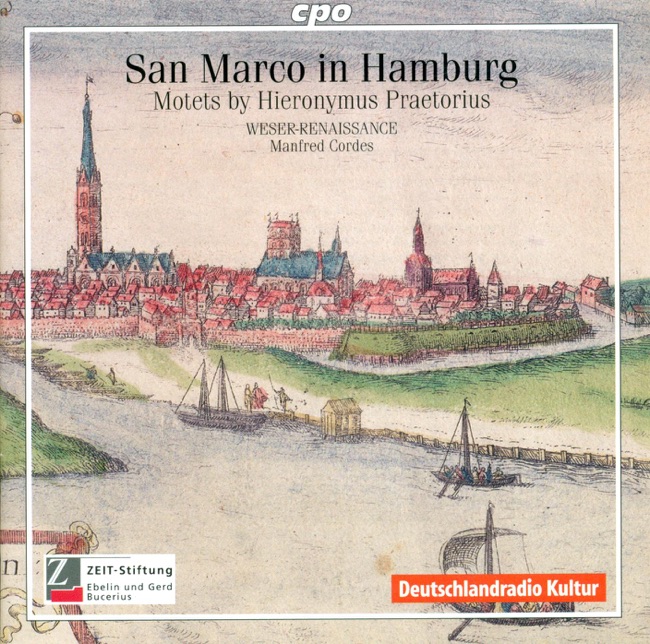 July 29, 2008
Artist Info
Role:ComposerCountry: GermanyBirth:August 10, 1560 in Hamburg, GermanyDeath:January 27, 1629 in Hamburg, GermanyPeriod:RenaissanceBaroqueGenre:ChoralVocalHieronymus Praetorius was a German composer and organist who lived during the late Renaissance and early Baroque periods. He was born in Hamburg in 1560, the son of Jacob Praetorius, a well-known organist and composer. Hieronymus grew up in a musical family and received his early musical training from his father. As a young man, Hieronymus Praetorius traveled to various cities in Germany to study music and gain experience as an organist. He spent time in Lübeck, where he studied with the famous organist and composer, Jan Pieterszoon Sweelinck. He also spent time in Magdeburg, where he worked as an organist and composed music for the local church. In 1582, Hieronymus Praetorius returned to Hamburg and was appointed as the organist at the St. Jacobi Church. He held this position for the rest of his life and became one of the most respected musicians in Hamburg. He was known for his skill as an organist and his ability to compose music in a variety of styles. Hieronymus Praetorius composed a large amount of music during his lifetime, including sacred vocal music, instrumental music, and music for the organ. His music was influenced by the styles of his time, including the polyphonic style of the Renaissance and the emerging Baroque style. One of Hieronymus Praetorius's most famous works is his collection of chorale settings, "Musae Sioniae." This collection contains over 1,200 settings of Lutheran chorales, which were popular hymns of the time. The collection was published in 9 volumes between 1605 and 1610 and was widely used in churches throughout Germany. Another notable work by Hieronymus Praetorius is his "Magnificat Quinti Toni," a setting of the Magnificat text for five voices and instruments. This work is an example of the emerging Baroque style, with its use of contrasting textures and dramatic harmonies. Hieronymus Praetorius also composed a large amount of music for the organ, including preludes, fugues, and chorale settings. His organ music is known for its virtuosic writing and its use of complex counterpoint. In addition to his work as a composer and organist, Hieronymus Praetorius was also a respected music teacher. He taught music to his own children as well as to other students in Hamburg. His son, Jacob Praetorius the Younger, also became a well-known composer and organist. Hieronymus Praetorius died in Hamburg in 1629, leaving behind a legacy of music that continues to be performed and studied today. His music is an important example of the music of the late Renaissance and early Baroque periods, and his contributions to the development of the Lutheran chorale tradition are still recognized today.More....
Recent Artist Music
8
1:7
9
5:53
10
9:39
Copyright Ⓒ 2013 Davinci Finger. All rights reseved
Service Terms & Policy