Dietrich Buxtehude
Magnificat Primi Toni for organ, BuxWV 203
Released Album
Recent Album
Featured Album
Works Info
Composer:Dietrich BuxtehudeGenre:KeyboardStyle:MagnificatCompose Date:ca. 1690Average_duration:7:53Dietrich Buxtehude's 'Magnificat Primi Toni for organ, BuxWV 203' is a Baroque masterpiece that was composed in the late 17th century. The piece is believed to have been written between 1680 and 1690, during Buxtehude's tenure as the organist at the Marienkirche in Lübeck, Germany. The 'Magnificat Primi Toni' is a set of variations on the hymn 'Magnificat', which is a canticle from the Gospel of Luke. The piece is divided into nine movements, each of which is based on a different verse of the hymn. The movements are played without pause, creating a continuous flow of music that is both meditative and uplifting. The first movement of the 'Magnificat Primi Toni' is a prelude that sets the tone for the rest of the piece. It begins with a simple melody that is gradually embellished with intricate ornamentation and virtuosic flourishes. The second movement is a fugue that builds on the themes introduced in the prelude. The third movement is a gentle and lyrical variation that features a delicate melody played on the organ's flutes. The fourth movement is a lively and energetic variation that showcases the organ's power and versatility. The fifth movement is a contemplative and introspective variation that features a haunting melody played on the organ's reed stops. The sixth movement is a joyful and celebratory variation that features a lively dance-like rhythm. The seventh movement is a solemn and majestic variation that features a grand melody played on the organ's full organ stops. The eighth movement is a virtuosic and dazzling variation that showcases the organist's technical skill and agility. The final movement is a triumphant and exultant variation that brings the piece to a rousing conclusion. Overall, the 'Magnificat Primi Toni' is a stunning example of Baroque organ music. It is characterized by its intricate counterpoint, virtuosic flourishes, and rich harmonies. The piece is a testament to Buxtehude's skill as a composer and his mastery of the organ. It remains a beloved and frequently performed work in the organ repertoire to this day.More....
Works Music
Released Music
2
7:46
4
7:37
5
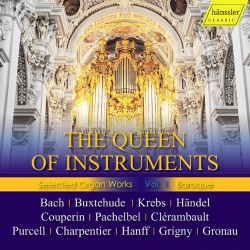
7:45
6
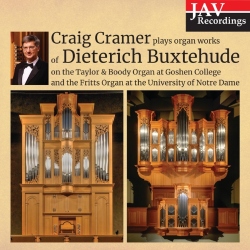
7:54
7
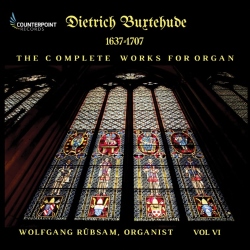
9:11
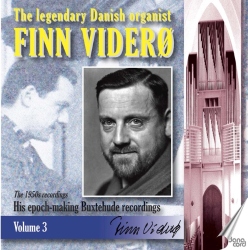
10
7:59
Featured Music