Hugo Wolf
Deine Mutter, süsses Kind (Spanisches Liederbuch)
Released Album
Recent Album
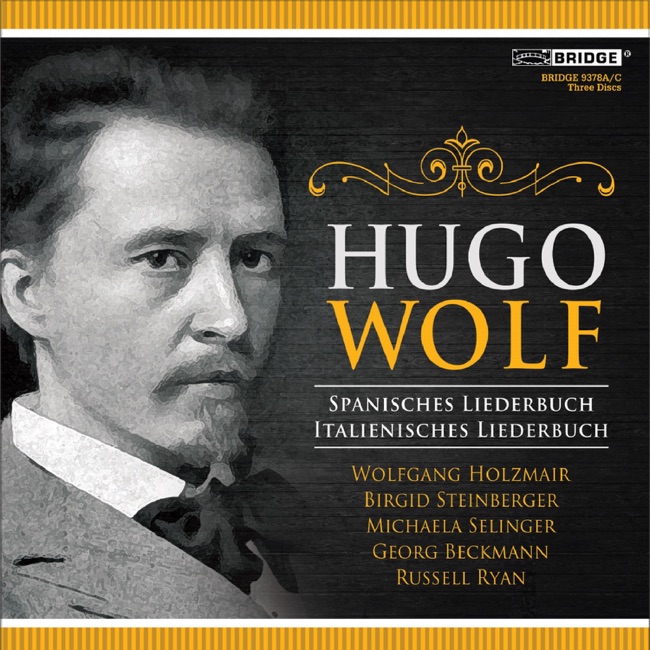
Works Info
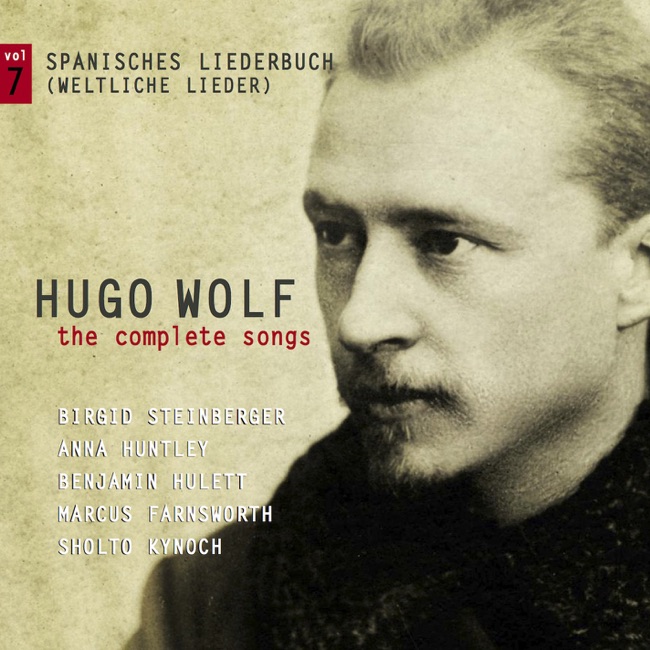
Composer:Hugo WolfGenre:VocalStyle:Vocal MusicCompose Date:Apr 2, 1890Average_duration:1:01Hugo Wolf's "Deine Mutter, süsses Kind (Spanisches Liederbuch)" is a song cycle composed between 1890 and 1891. It premiered in Vienna in 1893, with the composer himself accompanying the singer. The cycle consists of 44 songs, divided into two volumes, and is based on Spanish poetry translated into German by Emanuel Geibel and Paul Heyse. The first volume of the cycle contains 22 songs, while the second volume contains 22 more. The songs are not arranged in any particular order, and each one stands alone as a separate entity. The cycle is characterized by its use of Spanish rhythms and melodies, which Wolf skillfully incorporates into his own unique style. The first volume of the cycle opens with the song "Ach, wie lang die Seele schlummert," which features a lilting, dance-like rhythm and a melody that is both melancholy and haunting. Other notable songs in the first volume include "Nun wandre, Maria," which features a lively, syncopated rhythm and a melody that is both playful and joyful, and "Herr, was trägt der Boden hier," which features a slow, mournful melody and a sense of deep sadness. The second volume of the cycle opens with the song "In dem Schatten meiner Locken," which features a lively, dance-like rhythm and a melody that is both playful and flirtatious. Other notable songs in the second volume include "Klinge, klinge, mein Pandero," which features a fast, syncopated rhythm and a melody that is both lively and energetic, and "Wer sein holdes Lieb verloren," which features a slow, mournful melody and a sense of deep longing. Overall, "Deine Mutter, süsses Kind (Spanisches Liederbuch)" is a masterful example of Hugo Wolf's skill as a composer. The cycle is characterized by its use of Spanish rhythms and melodies, which Wolf skillfully incorporates into his own unique style. The songs are both playful and melancholy, and they capture the essence of Spanish poetry in a way that is both authentic and deeply moving.More....
Works Music
Released Music