


Franz Joseph Haydn
String Quartets (6), Op. 64, H. 3/63-68
Released Album
Recent Album
-
-
 Danny RioNovember 25, 2022
 -
-
-

-

-
-
 Variace Ensemble PragueNovember 20, 2020
 -
-
-
-
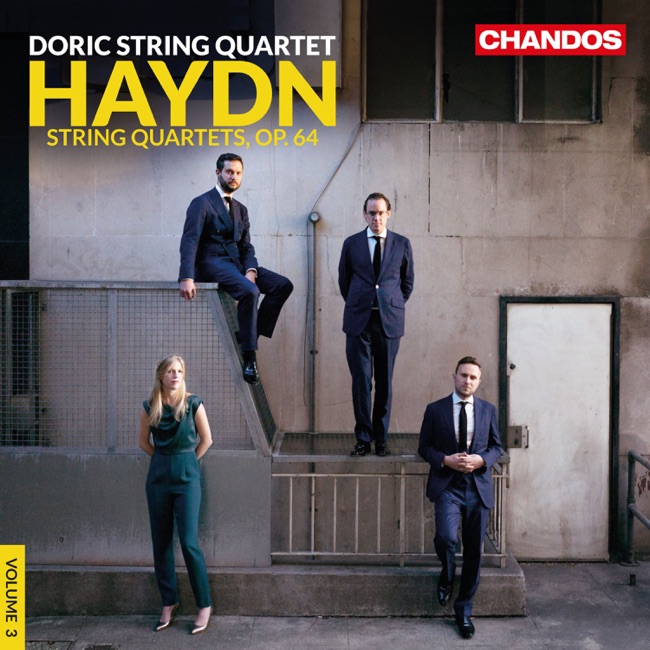
Featured Album
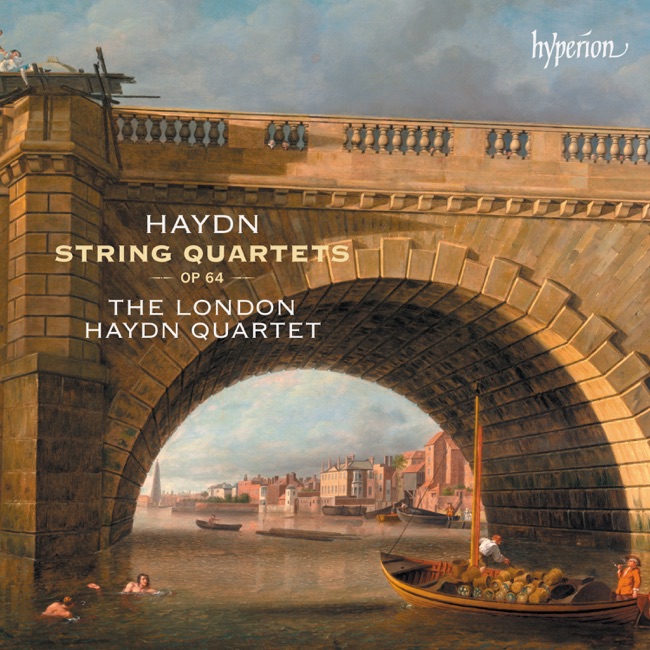
Works Info
Composer:Franz Joseph HaydnGenre:ChamberStyle:QuartetCompose Date:1790Average_duration:116:43Movement_count:24Movement ....Franz Joseph Haydn's String Quartets (6), Op. 64, H. 3/63-68, were composed in 1790 and premiered in Vienna the same year. The set of six quartets is considered one of Haydn's greatest achievements in the genre and is often referred to as the "Tost Quartets" after the Hungarian violinist Johann Tost, who commissioned them. The six quartets are each comprised of four movements, with the exception of the fifth quartet, which has five movements. The first movement of each quartet is typically in sonata form, with a lively and energetic opening theme followed by a more lyrical second theme. The second movement is usually a slow and expressive adagio, while the third movement is a minuet or scherzo with a contrasting trio section. The final movement is often a lively and playful rondo or sonata-rondo. One of the defining characteristics of the Op. 64 quartets is their use of counterpoint, with each instrument given equal importance and often engaging in intricate and complex interplay. Haydn also employs a wide range of textures and dynamics, from delicate and intimate moments to bold and dramatic passages. The first quartet in the set, Op. 64 No. 1 in C major, is notable for its use of a hunting horn motif in the first movement and its lively and playful finale. The second quartet, Op. 64 No. 2 in B minor, is more somber and introspective, with a hauntingly beautiful slow movement. The third quartet, Op. 64 No. 3 in B-flat major, is perhaps the most famous of the set, with its lively and energetic opening movement and its charming and playful minuet. The fourth quartet, Op. 64 No. 4 in G major, is notable for its use of a drone bass in the first movement and its lively and virtuosic finale. The fifth quartet, Op. 64 No. 5 in D major, is the most unusual of the set, with its five-movement structure and its use of a theme and variations in the slow movement. The final quartet, Op. 64 No. 6 in E-flat major, is a fitting conclusion to the set, with its grand and majestic opening movement and its lively and playful finale. Overall, Haydn's String Quartets (6), Op. 64, H. 3/63-68, are a testament to his mastery of the genre and his ability to create music that is both technically complex and emotionally engaging. They remain a cornerstone of the string quartet repertoire and continue to be performed and admired by musicians and audiences alike.More....
Works Music
Released Music



Featured Music
2
String Quartet (6), Op. 64, H. 3/63-68
No. 1 in C Major: Menuet & Trio: Allegretto Ma Non Troppo
5:24
Main Perform Artists