Karl Amadeus Hartmann
Symphony No. 4 for string orchestra
Released Album
Recent Album
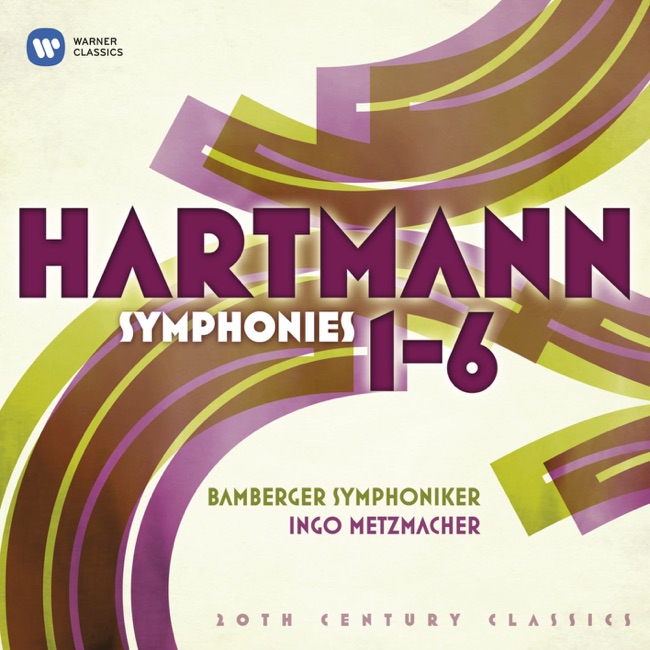
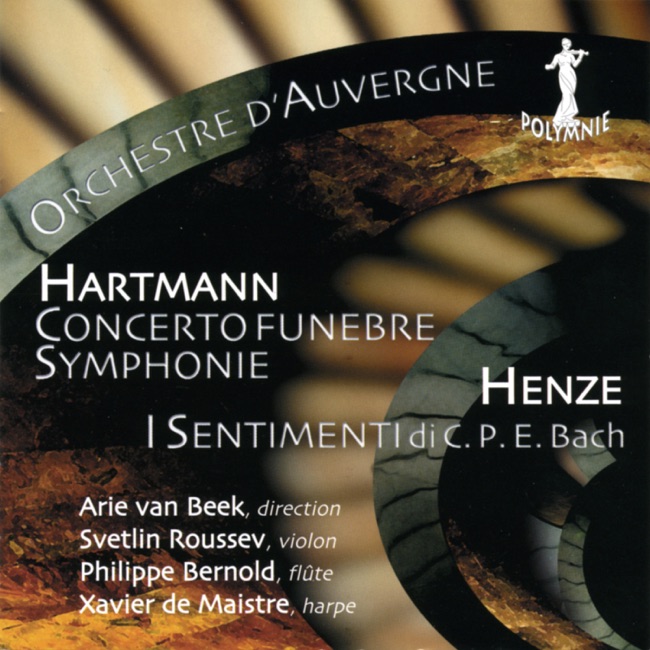
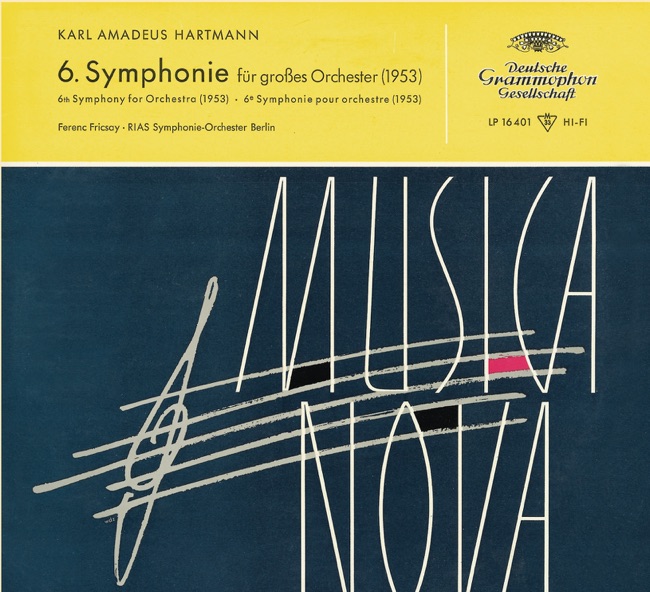
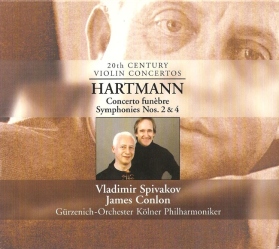
Featured Album
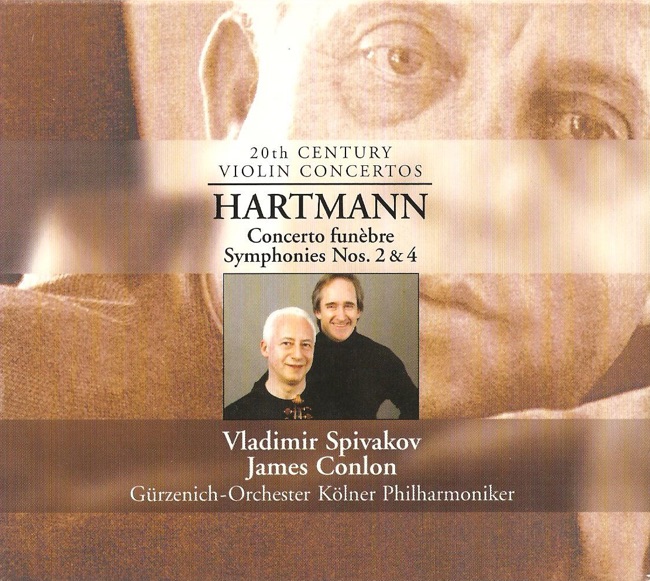
Works Info
Composer:Karl Amadeus HartmannGenre:SymphonyStyle:SymphonyAverage_duration:32:45Movement_count:3Movement ....Karl Amadeus Hartmann's Symphony No. 4 for string orchestra was composed in 1945, during the final stages of World War II. The piece was premiered on May 17, 1946, in Munich, Germany, by the Bavarian Radio Symphony Orchestra, conducted by Eugen Jochum. The symphony consists of four movements, each with its own distinct character and mood. The first movement, marked "Allegro moderato," is characterized by its driving rhythms and intense energy. The second movement, "Adagio," is a slow and mournful lament, with long, lyrical lines and a sense of profound sadness. The third movement, "Scherzo," is a lively and playful dance, with a light and nimble feel. The final movement, "Allegro con fuoco," is a fiery and passionate conclusion, with a sense of triumph and resolution. Hartmann's Symphony No. 4 is notable for its use of dissonance and unconventional harmonies, which create a sense of tension and unease throughout the piece. The composer also employs a wide range of string techniques, including pizzicato, glissando, and tremolo, to create a rich and varied texture. The symphony is often seen as a reflection of the turmoil and uncertainty of the time in which it was composed, with its shifting moods and intense emotional content. It is also considered a landmark work in the development of modernist music, with its innovative use of harmony and texture. Overall, Karl Amadeus Hartmann's Symphony No. 4 for string orchestra is a powerful and evocative work, full of passion, energy, and emotion. Its complex harmonies and intricate textures make it a challenging but rewarding piece for both performers and listeners alike.More....
Works Music
Released Music
Featured Music