Thomas Weelkes
Cease sorrowes now
Released Album
Recent Album

Works Info
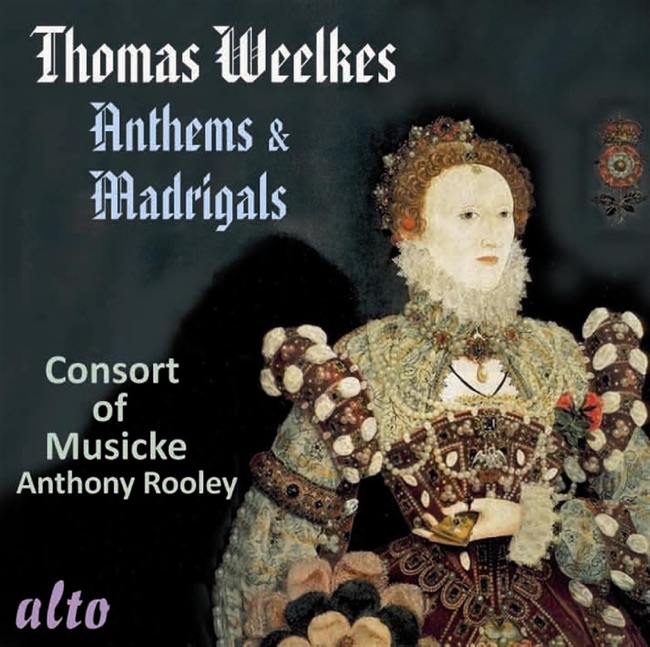
Composer:Thomas WeelkesGenre:VocalStyle:Vocal MusicPublication Date:1597Average_duration:3:25Thomas Weelkes was an English composer who lived during the Renaissance period. He was born in Sussex in 1576 and died in 1623. Weelkes was known for his madrigals, which were popular in England during the late 16th and early 17th centuries. One of his most famous madrigals is "Cease sorrowes now," which was composed in 1600. "Cease sorrowes now" is a five-part madrigal that was written for a cappella voices. It was first published in Weelkes' collection of madrigals called "The Triumphes of Oriana," which was dedicated to Queen Elizabeth I. The collection was published in 1601, and "Cease sorrowes now" was one of the most popular pieces in the collection. The madrigal is divided into three movements. The first movement is in a slow tempo and is marked "Lento." The second movement is in a faster tempo and is marked "Allegro." The third movement is in a slower tempo and is marked "Lento." The first movement begins with a soprano solo singing the words "Cease sorrowes now." The other voices gradually join in, creating a rich and complex texture. The music is melancholic and reflective, reflecting the sadness of the lyrics. The second movement is more lively and energetic. The music is in a major key, and the tempo is faster. The voices sing in a homophonic texture, with all the voices singing the same words at the same time. The music is joyful and celebratory, reflecting the hope and happiness of the lyrics. The third movement returns to the slow tempo of the first movement. The music is in a minor key, and the texture is once again complex and rich. The voices sing in a polyphonic texture, with each voice singing a different melody. The music is mournful and reflective, reflecting the sadness of the lyrics. Overall, "Cease sorrowes now" is a beautiful and poignant madrigal that showcases Weelkes' skill as a composer. The music is complex and rich, with a variety of textures and tempos that reflect the emotions of the lyrics. It remains a popular piece of music today, and is often performed by choirs and vocal ensembles around the world.More....
Works Music
Released Music