


Orlande de Lassus
Aurora lucis rutilat, magnificat, H. xvii/124
Released Album
Recent Album
Featured Album
Works Info
Composer:Orlande de LassusGenre:ChoralStyle:MotetPublication Date:1619Average_duration:8:04Orlande de Lassus was a prominent composer of the Renaissance period, known for his sacred music compositions. One of his most famous works is the motet "Aurora lucis rutilat, magnificat, H. xvii/124," which was composed in the late 16th century. The motet is written for six voices, with two sopranos, alto, two tenors, and bass. It is based on a Latin text that describes the resurrection of Christ and the joy that it brings to the world. The text is divided into three sections, each of which is set to a different musical theme. The first section, "Aurora lucis rutilat," is a joyful and celebratory movement that features lively rhythms and bright harmonies. The second section, "Magnificat," is more contemplative and introspective, with a slower tempo and more complex harmonies. The final section, "Alleluia," is a triumphant and exultant movement that brings the piece to a rousing conclusion. One of the most notable characteristics of "Aurora lucis rutilat, magnificat, H. xvii/124" is its use of polyphony. Lassus was a master of polyphonic composition, and this motet showcases his skill in creating intricate and complex harmonies that blend together seamlessly. The piece also features a wide range of vocal techniques, including imitative counterpoint, homophonic textures, and antiphonal singing. The motet was first performed in the late 16th century, and it quickly became one of Lassus's most popular works. Its popularity continued into the Baroque period, and it was frequently performed in churches and cathedrals throughout Europe. Today, it remains a beloved piece of sacred music and a testament to Lassus's skill as a composer.More....
Works Music
Released Music
1
Aurora lucis rutilate, magnificat, H. xvii/124
Magnificat octavi toni super Aurora lucis rutilat
8:5
2
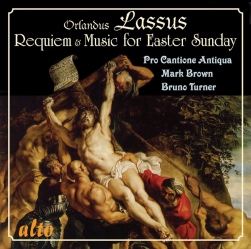
8:33
Featured Music
1
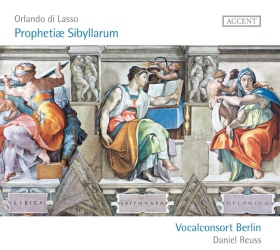
Aurora lucis rutilate, magnificat, H. xvii/124
Magnificat super aurora lucis rutilat (a 10, 1619)
7:27