


Louis James Alfred Lefébure-Wély
Pastorale for organ in C major
Released Album
Recent Album
Works Info
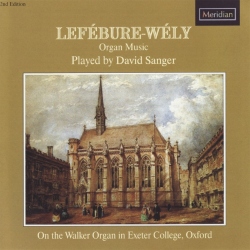
Composer:Louis James Alfred Lefébure-WélyGenre:KeyboardStyle:KeyboardAverage_duration:3:41Louis James Alfred Lefébure-Wély was a French organist and composer who lived from 1817 to 1869. He was known for his virtuosic organ playing and his innovative compositions, which combined elements of classical music with popular dance forms. One of Lefébure-Wély's most famous works is his Pastorale for organ in C major, which was composed in the mid-19th century. The piece is a beautiful example of the Romantic style, with its lush harmonies, flowing melodies, and pastoral themes. The Pastorale is divided into three movements, each of which has its own distinct character and mood. The first movement is marked "Andante," and it begins with a gentle, flowing melody in the right hand. The left hand provides a simple accompaniment, while the pedals add a rich, resonant bass line. As the movement progresses, the melody becomes more complex and ornate, with flourishes and trills that showcase the organ's capabilities. The second movement is marked "Allegro," and it is a lively dance in triple meter. The melody is playful and upbeat, with a syncopated rhythm that gives it a sense of energy and motion. The left hand provides a driving bass line, while the pedals add a sense of depth and resonance. This movement is a wonderful example of Lefébure-Wély's ability to combine classical forms with popular dance rhythms. The final movement is marked "Andante," and it is a return to the pastoral themes of the first movement. The melody is simple and serene, with a sense of calm and tranquility. The left hand provides a gentle accompaniment, while the pedals add a rich, resonant bass line. As the movement progresses, the melody becomes more complex and ornate, with flourishes and trills that showcase the organ's capabilities. Overall, the Pastorale for organ in C major is a beautiful example of Lefébure-Wély's innovative approach to composition. It combines elements of classical music with popular dance forms, and it showcases the organ's capabilities in a way that is both virtuosic and expressive. The piece premiered in the mid-19th century and remains a beloved work in the organ repertoire to this day.More....
Works Music
Released Music
3
4:41