Sofia Gubaidulina
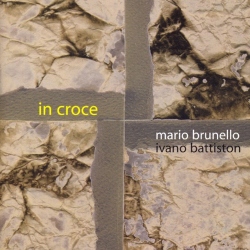
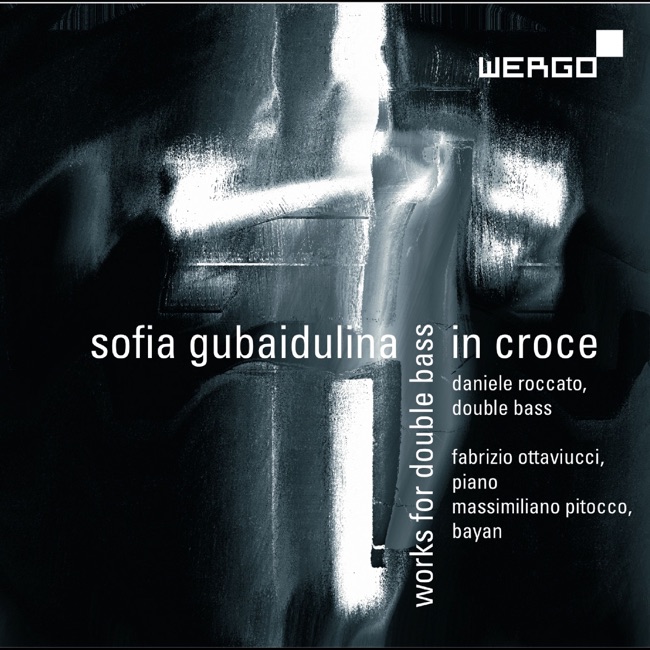
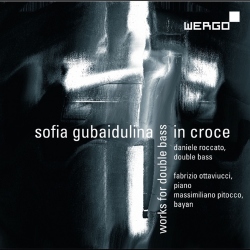
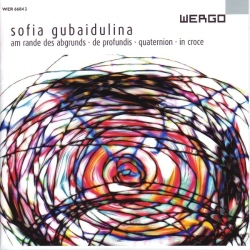
In croce
Released Album
Recent Album
Works Info
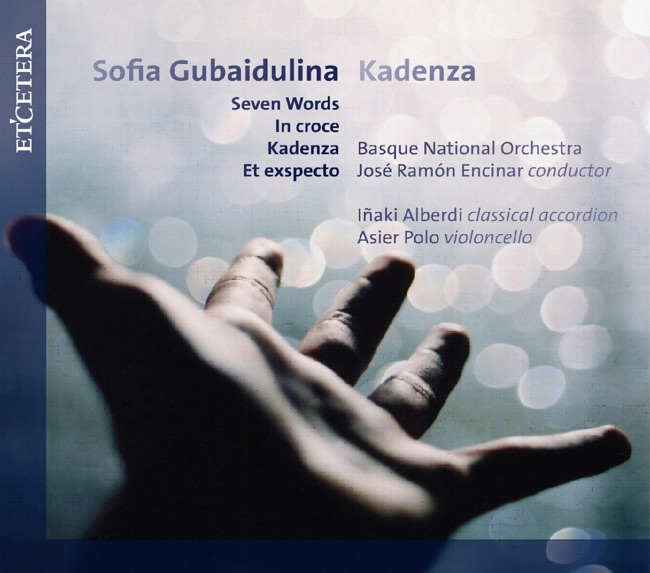
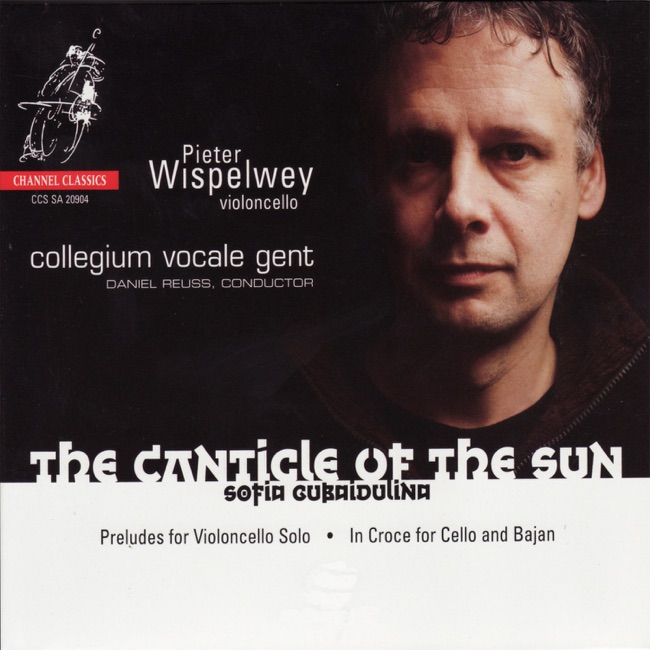
Composer:Sofia GubaidulinaGenre:ChamberStyle:Character PieceCompose Date:1979First Performance:1979Average_duration:15:52Sofia Gubaidulina's "In croce" is a composition for cello, bayan (a type of accordion), and strings. It was composed in 1979 and premiered in Moscow in the same year. The piece is divided into four movements, each of which explores different aspects of the cross as a symbol. The first movement, "Crucifixus," is characterized by a slow, mournful melody played by the cello. The bayan and strings provide a haunting, atmospheric accompaniment. The movement builds to a climax before fading away into silence. The second movement, "In Cruce," is more rhythmic and energetic. The bayan takes on a more prominent role, with the cello and strings providing a driving, syncopated accompaniment. The movement is marked by sudden shifts in dynamics and tempo, creating a sense of tension and release. The third movement, "Et exspecto," is a slow, meditative piece. The cello plays a simple, repetitive melody while the bayan and strings provide a shimmering, ethereal backdrop. The movement gradually builds in intensity before fading away into silence. The final movement, "Crucifixion," is the most intense and dramatic of the four. The cello plays a frenzied, virtuosic solo while the bayan and strings provide a chaotic, dissonant accompaniment. The movement builds to a frenzied climax before abruptly ending. Overall, "In croce" is a powerful and deeply spiritual work that explores the themes of suffering, redemption, and transcendence. Gubaidulina's use of unconventional instrumentation and her innovative approach to harmony and rhythm make this piece a unique and compelling addition to the repertoire of contemporary classical music.More....
Works Music
Released Music
5
14:19