


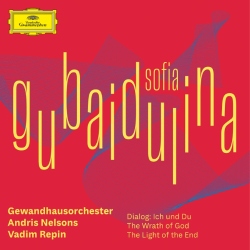
Sofia Gubaidulina
Released Album
Chamber
-
-
 August 31, 2023
 -
 April 21, 2023
 -
 January 21, 2022
 -
 October 9, 2020
 -
 July 31, 2020
Keyboard
-
 October 4, 2024
 -
 July 5, 2024
 -
 July 7, 2023
 -
-
 May 27, 2022
 -
 February 5, 2021
Concerto
-
-
-
 October 25, 2011
 -
 October 28, 2003
Choral
-
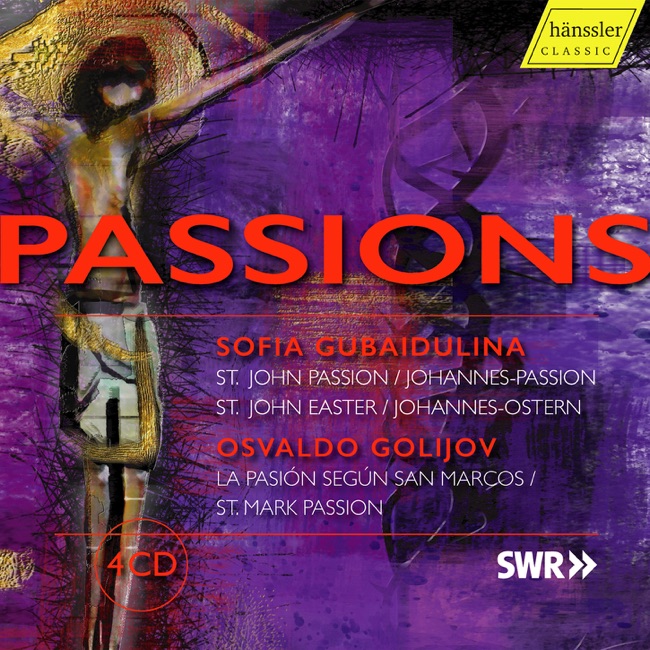 September 9, 2022
 -
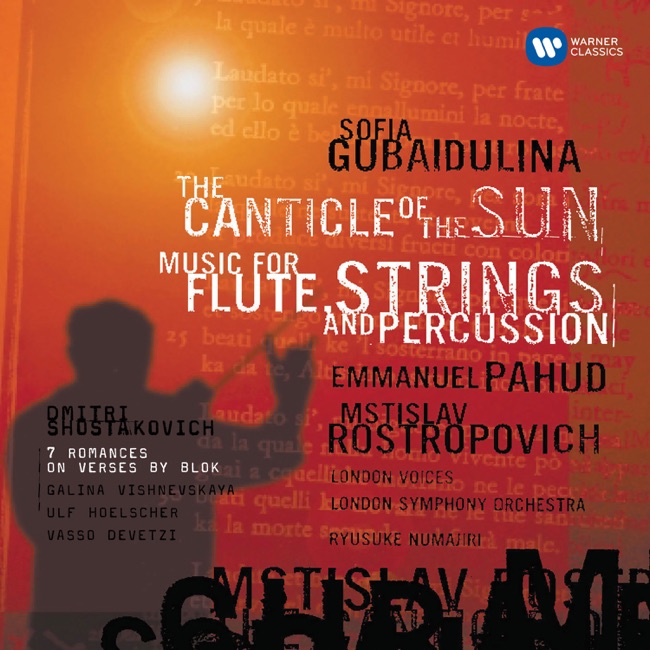
-
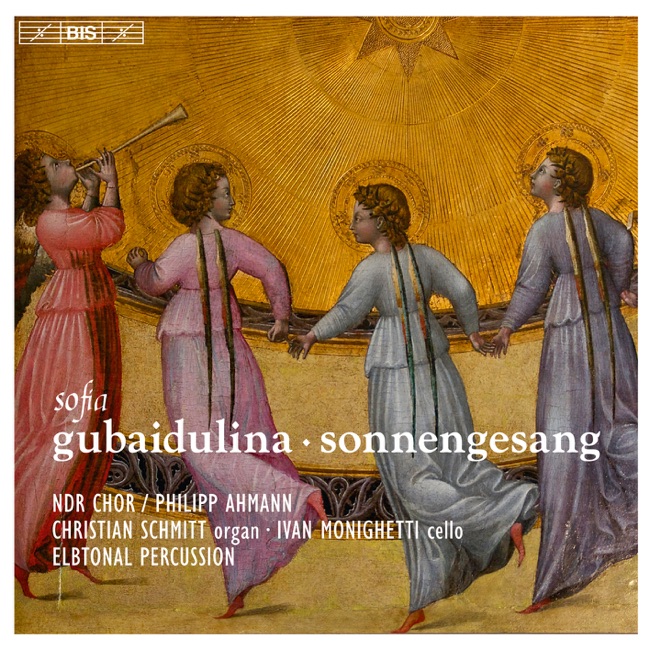 November 18, 2016
 -
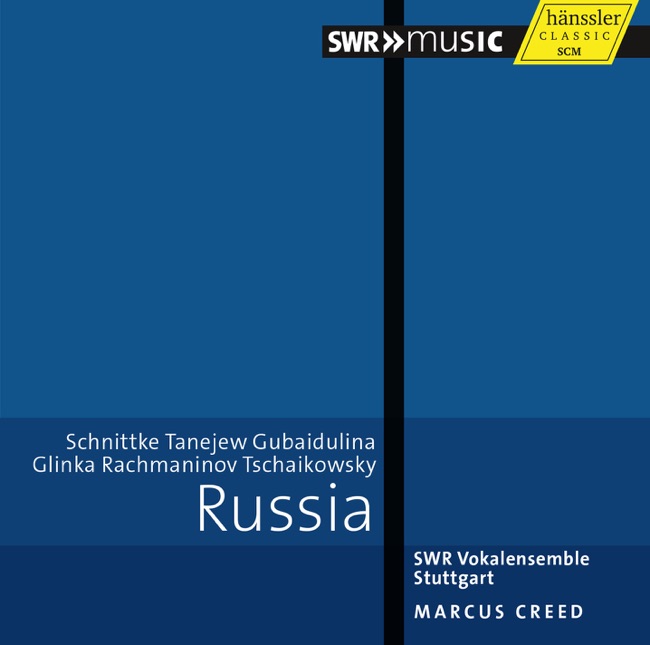
-
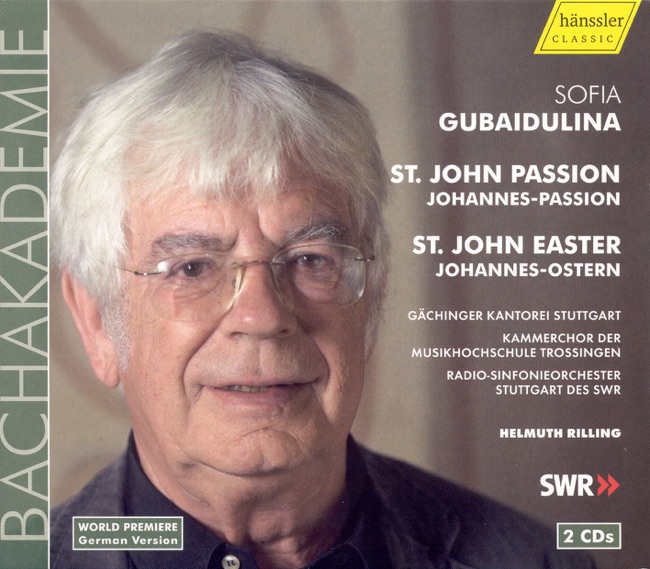 September 17, 2007
 -
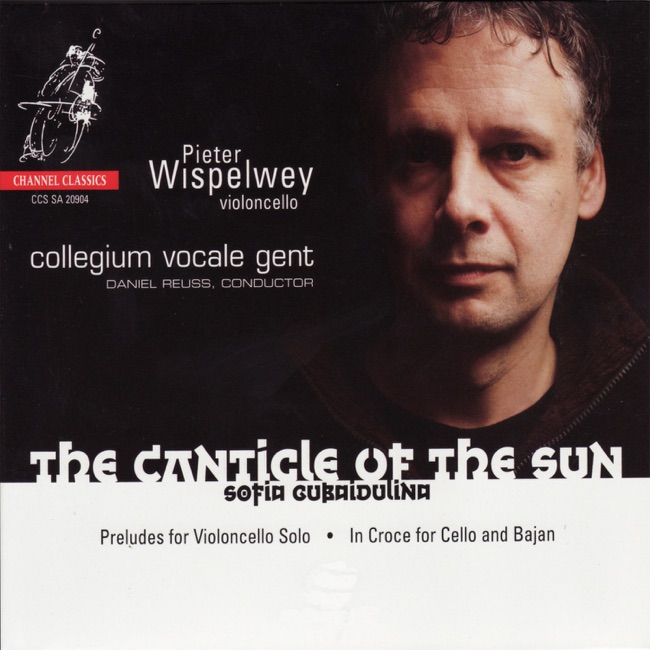 September 14, 2004
Artist Info
Role:ComposerCountry: RussiaBirth:October 24, 1931 in Chistopol, RussiaPeriod:ContemporaryGenre:ChamberConcertoKeyboardOrchestralSofia Gubaidulina is a Russian composer who was born on October 24, 1931, in Chistopol, Tatarstan. She grew up in Kazan, where she began studying music at an early age. Her father was an engineer, and her mother was a teacher. Gubaidulina's parents were both Tatars, and she grew up in a Muslim household. However, she was not particularly religious and did not follow the traditional customs of her culture. Gubaidulina began studying piano at the age of five and later took up the accordion. She also played the guitar and the bayan, a type of Russian accordion. She studied composition at the Kazan Conservatory from 1949 to 1954, where she was taught by Nikolai Peyko. After graduating, she worked as a music teacher in Kazan for several years. In 1959, Gubaidulina moved to Moscow to study composition at the Moscow Conservatory with Nikolai Rakov. She graduated in 1963 and began working as a freelance composer. Her early works were influenced by the music of Dmitri Shostakovich, whom she greatly admired. However, she soon began to develop her own unique style, which combined elements of Russian folk music, Eastern spirituality, and avant-garde techniques. Gubaidulina's breakthrough came in 1975 with the premiere of her violin concerto Offertorium. The piece was commissioned by the violinist Gidon Kremer, who had heard some of Gubaidulina's earlier works and was impressed by her talent. Offertorium is a complex and challenging work that explores themes of sacrifice and redemption. It features a solo violin that is pitted against a large orchestra, and it incorporates elements of medieval chant and Russian folk music. Offertorium brought Gubaidulina international recognition and established her as one of the leading composers of her generation. She went on to write many other works that were equally innovative and challenging. Some of her most notable compositions include the cello concerto Canticle of the Sun (1997), the piano concerto Introitus (2009), and the oratorio St. John Passion (2000). Gubaidulina's music is characterized by its spiritual and mystical themes, its use of unconventional instruments and techniques, and its incorporation of folk music and religious chant. She has said that her music is inspired by her interest in Eastern spirituality, particularly the teachings of the Russian Orthodox Church. She has also been influenced by the music of other cultures, including the music of Central Asia and the Middle East. In addition to her work as a composer, Gubaidulina has been an influential teacher and mentor to many younger composers. She has taught at the Moscow Conservatory and has also given masterclasses and lectures around the world. She has received numerous awards and honors for her work, including the Polar Music Prize in 2002 and the Bach Prize of the City of Hamburg in 2007. Gubaidulina's music has been performed by many of the world's leading orchestras and soloists, including the Berlin Philharmonic, the New York Philharmonic, and the cellist Mstislav Rostropovich. Her work has been recorded extensively, and she has collaborated with many other artists, including the choreographer Martha Graham and the filmmaker Alexander Sokurov. Despite her success, Gubaidulina has remained humble and dedicated to her craft. She has said that she sees herself as a servant of music, and that her goal is to create works that will inspire and uplift others.More....
Recent Artist Music
1
Meditation
Meditation über den Choral 'Vor Deinen Thron tret ich hiermit' for harpsichord, two violins, viola, cello and bouble bass
12:11
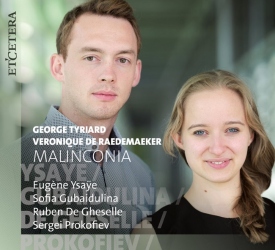
4
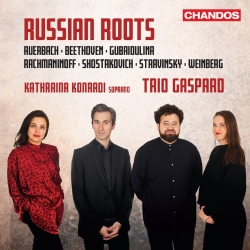
Letter to the Poetess Rimma Dalloshi
I. Quarter Note = 120 (heller, ein wenig kindlicher Klang der Stimme) -
1:59
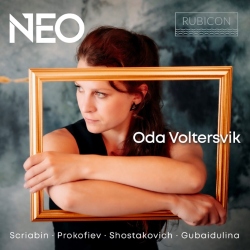
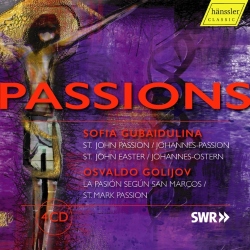
8
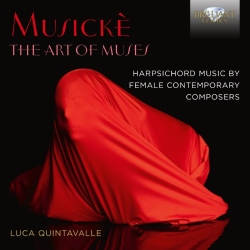
16:14
9
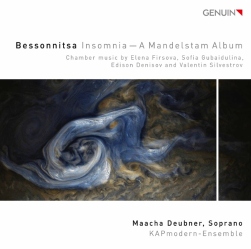
1:45
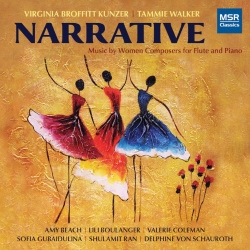
11
24:44
13
12:42
15
3:16
Recommend Playlist




Related Artists
Copyright Ⓒ 2013 Davinci Finger. All rights reseved
Service Terms & Policy