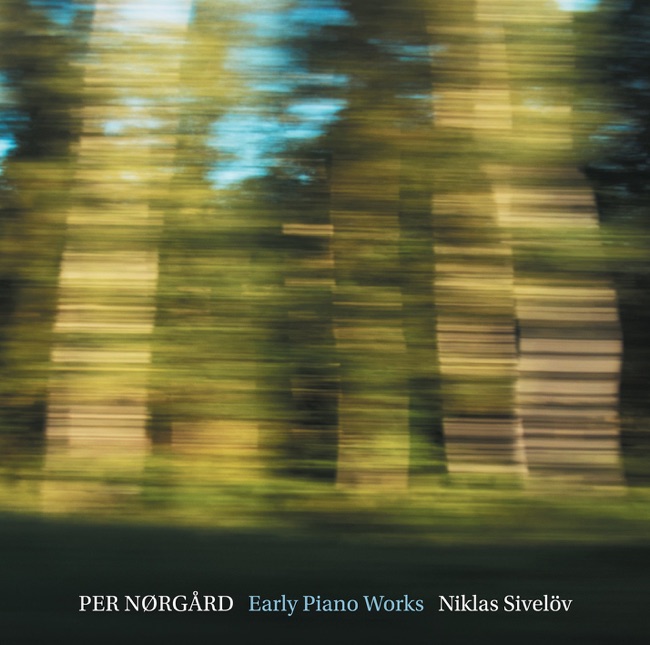
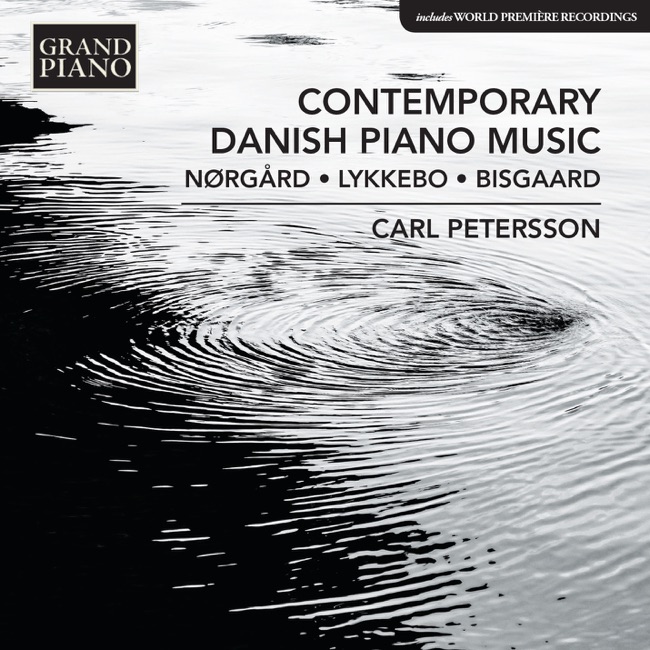
Per Nørgård
Piano Sonata in one movement, Op. 6
Released Album
Recent Album
Works Info
Composer:Per NørgårdGenre:KeyboardCompose Date:1953Average_duration:13:20Per Nørgård's Piano Sonata in one movement, Op. 6, was composed in 1953 and premiered the same year in Copenhagen. The piece is characterized by its use of serialism, a compositional technique that involves organizing musical elements based on a predetermined series of pitches, rhythms, or other parameters. The sonata is divided into three main sections, each with its own distinct character and mood. The first section is marked by a sense of restlessness and tension, with jagged rhythms and dissonant harmonies creating a sense of unease. The second section is more lyrical and introspective, with a slower tempo and more flowing melodic lines. The final section returns to the frenetic energy of the opening, building to a climactic finish. Throughout the piece, Nørgård employs a variety of extended techniques to create unique sounds and textures. These include clusters, where multiple notes are played simultaneously, and glissandi, where the pianist slides their fingers across the keys to create a sliding effect. The use of these techniques, along with the complex rhythms and harmonies, gives the sonata a distinctly modernist feel. Despite its avant-garde tendencies, the Piano Sonata in one movement, Op. 6, is also marked by a sense of emotional depth and expressiveness. Nørgård's use of serialism is not simply an intellectual exercise, but a means of exploring the full range of human experience through music. As such, the sonata remains a powerful and compelling work, both challenging and rewarding for performers and listeners alike.More....
Works Music
Released Music