


Jacques Ibert
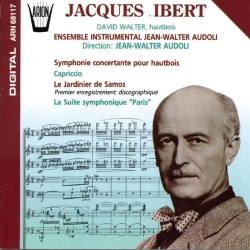
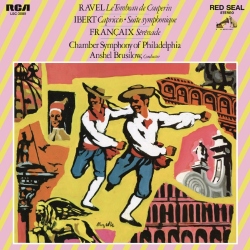
Capriccio
Released Album
Recent Album
Works Info
Composer:Jacques IbertGenre:ChamberStyle:Chamber MusicCompose Date:1938Average_duration:11:20Capriccio is a composition for ten instruments, composed by Jacques Ibert in 1929. The piece was premiered on May 4, 1929, in Paris, by the Orchestre des Concerts Colonne, conducted by Gabriel Pierné. The composition consists of three movements, each with its own unique characteristics. The first movement, Allegro vivo, is characterized by its playful and lively nature. The movement begins with a fast-paced, syncopated melody played by the clarinet, which is then echoed by the other instruments. The music is full of sudden shifts in tempo and dynamics, creating a sense of excitement and unpredictability. The second movement, Larghetto - Animato molto, is a slower, more contemplative piece. The movement begins with a haunting melody played by the oboe, which is then taken up by the other instruments. The music gradually builds in intensity, with the tempo increasing and the dynamics becoming more forceful. The movement ends with a return to the slower, more contemplative mood of the beginning. The final movement, Allegro assai, is a fast-paced, energetic piece that brings the composition to a thrilling conclusion. The movement begins with a lively, syncopated melody played by the flute, which is then taken up by the other instruments. The music is full of sudden shifts in tempo and dynamics, creating a sense of excitement and unpredictability. The movement ends with a sudden, dramatic flourish. Overall, Capriccio is a lively and playful composition that showcases Ibert's skill as a composer. The piece is full of unexpected twists and turns, with sudden shifts in tempo and dynamics that keep the listener engaged. The use of a small ensemble of ten instruments allows for a greater range of expression and a more intimate, chamber music-like feel.More....
Works Music
Released Music
5
10:40