


Georg Philipp Telemann
Overture, suite for strings & continuo in C minor, TWV 55:c3
Released Album
Recent Album
Featured Album
Works Info
Composer:Georg Philipp TelemannGenre:OrchestralStyle:OrchestralAverage_duration:15:07Movement_count:8Movement ....Georg Philipp Telemann's Overture, Suite for Strings & Continuo in C minor, TWV 55:c3, is a Baroque composition that was composed in the early 18th century. The piece is believed to have been written in 1715, during Telemann's tenure as Kapellmeister in Eisenach. The overture is a six-movement work that is scored for strings and continuo. The overture begins with a stately French overture, which is characterized by its slow, dotted rhythm and majestic character. This is followed by a lively and energetic fugue, which showcases Telemann's contrapuntal skills. The third movement is a graceful and lyrical air, which features a solo violin melody accompanied by the rest of the strings. The fourth movement is a lively and playful gavotte, which is characterized by its dance-like rhythm and catchy melody. The fifth movement is a solemn and contemplative sarabande, which is characterized by its slow, triple meter and expressive melody. This is followed by a lively and energetic gigue, which brings the suite to a rousing conclusion. Throughout the suite, Telemann employs a variety of musical techniques, including counterpoint, imitation, and ornamentation, to create a rich and varied musical texture. One of the most notable characteristics of Telemann's Overture, Suite for Strings & Continuo in C minor is its use of the French overture form. This form was popular in the Baroque era and was often used as the opening movement of a suite. The French overture is characterized by its slow, dotted rhythm and majestic character, which is intended to evoke a sense of grandeur and ceremony. Another notable characteristic of the suite is its use of dance forms. Each of the six movements is based on a different dance form, including the gavotte, sarabande, and gigue. These dance forms were popular in the Baroque era and were often used as the basis for instrumental music. Overall, Telemann's Overture, Suite for Strings & Continuo in C minor is a masterful example of Baroque instrumental music. Its use of the French overture form and dance forms, as well as its rich and varied musical texture, make it a timeless work that continues to be enjoyed by audiences today.More....
Works Music
Released Music

2
Overture, suite for strings & continuo in C minor, TWV 55:c3
I. Ouverture. Hamburger Ebb und Fluth
5:31
3
Overture, suite for strings & continuo in C minor, TWV 55:c3
I. Ouverture: Hamburger Ebb und Fluth
6:25
4
Overture, suite for strings & continuo in C minor, TWV 55:c3
I. Ouverture: Hamburger Ebb und Fluth
6:26
5
Overture, suite for strings & continuo in C minor, TWV 55:c3
Ouverture (Gravement/Vite/Gravement)
6:27
6
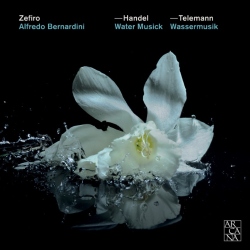
Overture, suite for strings & continuo in C minor, TWV 55:c3
VI. Harlequinade. Der schertzende Tritonus
1:31
7
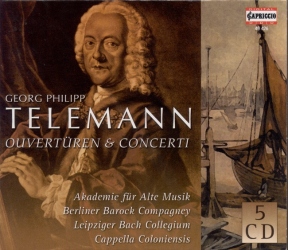
Overture, suite for strings & continuo in C minor, TWV 55:c3
V. Gavotte: Die spielenden Najaden
55
Featured Music
1
4:1
2
1:41
3
59
4
56
5
1:31
8
1:18