Franz Joseph Haydn
Baryton Trio in G major, H. 11/80
Released Album
Recent Album
Works Info
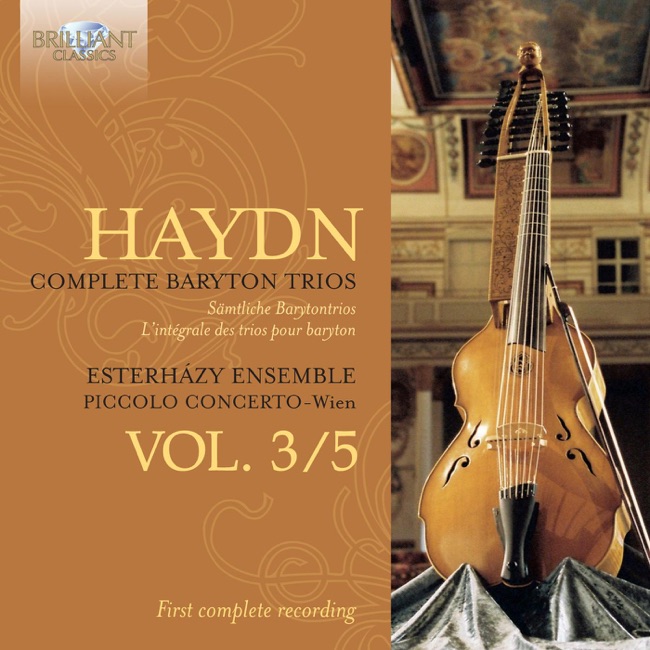
Composer:Franz Joseph HaydnGenre:ChamberStyle:Chamber MusicAverage_duration:9:38Movement_count:3Movement ....Franz Joseph Haydn's Baryton Trio in G major, H. 11/80, was composed in the late 1760s or early 1770s. It was likely written for Prince Nikolaus Esterházy, who was an avid player of the baryton, a stringed instrument similar to the viola da gamba. The trio is in three movements: a lively Allegro, a graceful Andante, and a spirited Allegro molto. The first movement features a playful dialogue between the baryton and the two violins, with the baryton often taking the lead. The second movement is a lyrical duet between the baryton and one of the violins, with the other violin providing a delicate accompaniment. The final movement is a lively dance, with the baryton once again taking center stage. One of the most notable characteristics of the trio is its use of the baryton, which is given a prominent role throughout the piece. Haydn takes advantage of the instrument's unique capabilities, including its ability to play chords and its sympathetic strings, which vibrate in response to the main strings. The result is a rich, sonorous sound that is both distinctive and charming. Overall, the Baryton Trio in G major is a delightful example of Haydn's chamber music, showcasing his skill at crafting engaging and inventive works for small ensembles. Its combination of lively rhythms, lyrical melodies, and playful interplay between the instruments make it a joy to listen to and a testament to Haydn's enduring legacy as one of the greatest composers of the classical era.More....
Works Music
Released Music