Alfred Schnittke
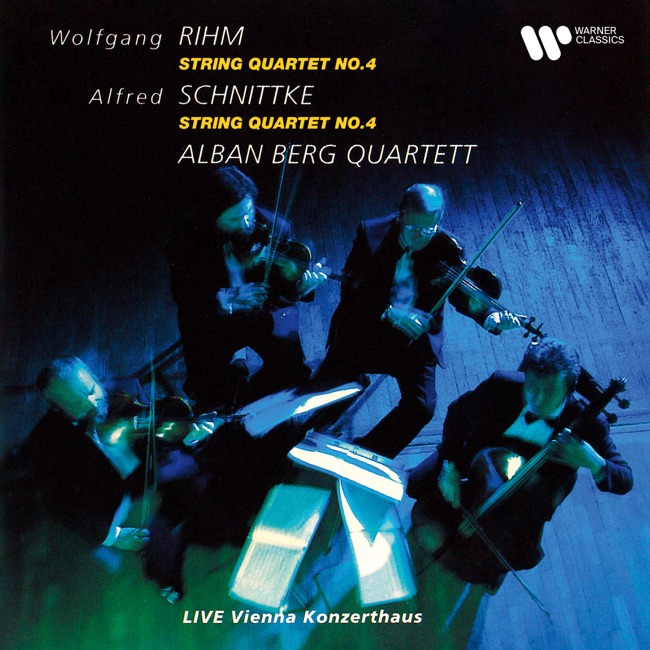
String Quartet No. 4
Released Album
Recent Album
Works Info
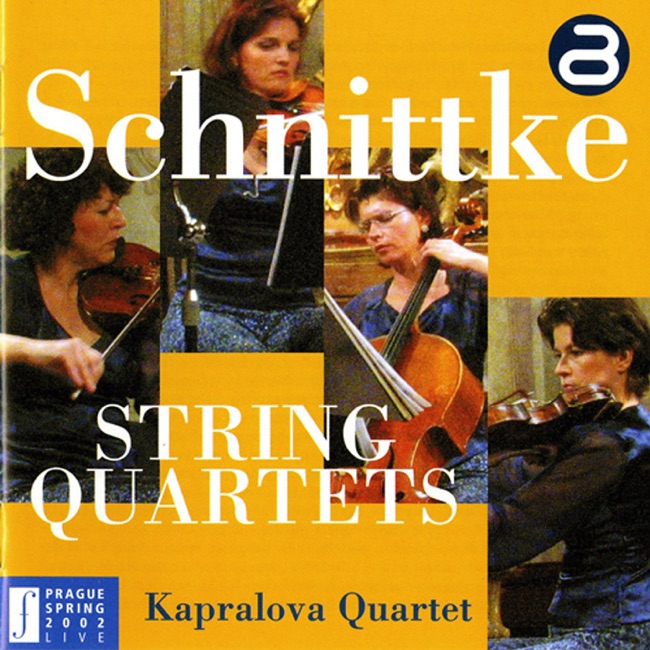
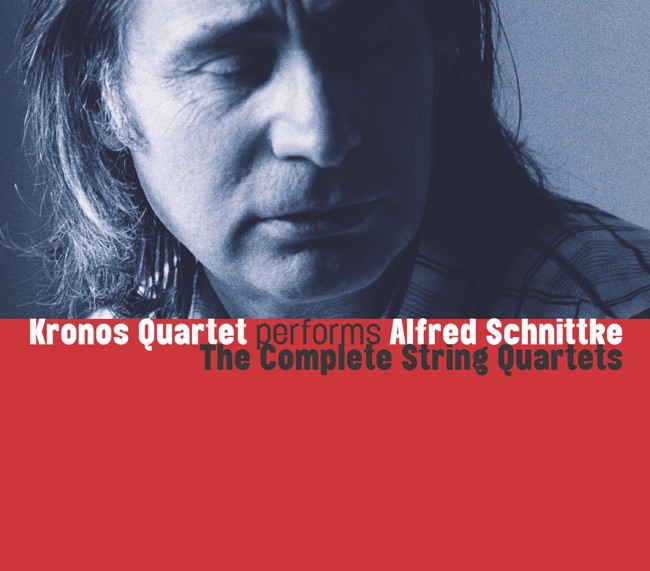
Composer:Alfred SchnittkeGenre:ChamberStyle:QuartetCompose Date:1989Average_duration:35:29Movement_count:5Movement ....Alfred Schnittke's String Quartet No. 4 is a composition that was completed in 1989. The piece was premiered on October 21, 1989, in Moscow, by the Kronos Quartet. The quartet is divided into five movements, each with its own unique characteristics. The first movement, marked Andante, begins with a slow, mournful melody played by the cello. The other instruments gradually join in, creating a dense, dissonant texture. The movement is characterized by its use of extended techniques, such as glissandi and harmonics, and its frequent changes in tempo and dynamics. The second movement, marked Allegro, is a fast, frenzied scherzo. The music is characterized by its use of syncopated rhythms and jagged, angular melodies. The movement is highly virtuosic, with each instrument taking turns playing rapid, intricate passages. The third movement, marked Adagio, is a slow, contemplative piece. The music is characterized by its use of long, sustained notes and its haunting, melancholy melodies. The movement is notable for its use of microtonal intervals, which create a sense of unease and disorientation. The fourth movement, marked Presto, is a fast, energetic piece. The music is characterized by its use of driving rhythms and its playful, whimsical melodies. The movement is highly rhythmic, with the instruments frequently playing off of each other in complex, interlocking patterns. The final movement, marked Andante, is a slow, meditative piece. The music is characterized by its use of long, sustained notes and its simple, lyrical melodies. The movement gradually builds in intensity, with the instruments playing increasingly complex and dissonant harmonies. The piece ends with a quiet, unresolved chord, leaving the listener with a sense of ambiguity and uncertainty. Overall, Schnittke's String Quartet No. 4 is a complex and challenging work that showcases the composer's mastery of both traditional and avant-garde techniques. The piece is characterized by its use of dissonant harmonies, complex rhythms, and extended techniques, as well as its frequent changes in tempo and dynamics. Despite its difficulty, the quartet is a powerful and emotionally resonant work that rewards careful listening and close attention to detail.More....
Works Music
Released Music