Béla Bartók
Children at Play, Sz. 42/1
Released Album
Recent Album

Works Info
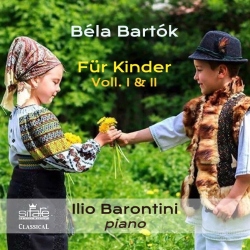
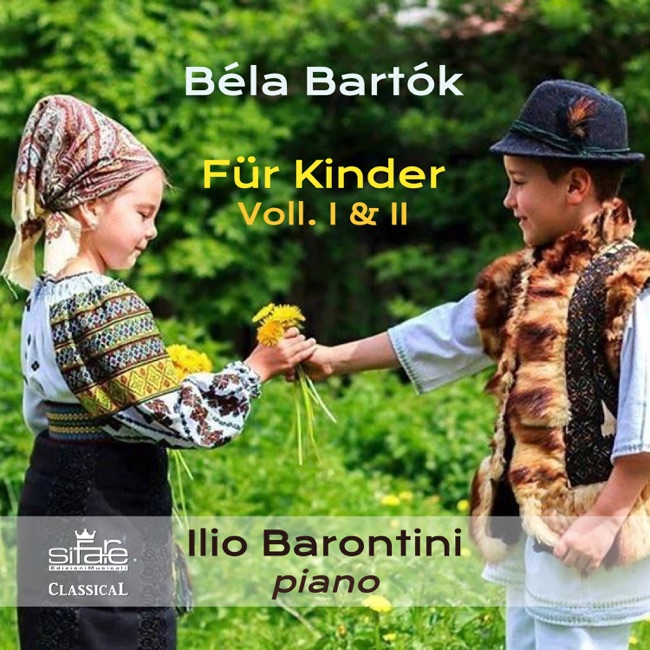
Composer:Béla BartókGenre:KeyboardStyle:Character PieceCompose Date:1908 - 1910Average_duration:2:48'Children at Play' is a piano piece composed by Béla Bartók in 1909. It was premiered in Budapest in 1910. The piece is the first movement of his larger work, 'For Children', which is a collection of 85 short piano pieces written for children. 'Children at Play' is a playful and lively piece that captures the essence of children at play. The piece is in the key of C major and is written in a simple, folk-like style. The melody is light and bouncy, with a sense of joy and innocence. The piece is characterized by its use of syncopation, which gives it a playful and rhythmic feel. The piece is divided into three sections. The first section is marked 'Allegro', and is the main theme of the piece. It is a lively and energetic melody that captures the playful nature of children. The second section is marked 'Meno mosso', and is a slower, more reflective section. It provides a contrast to the first section and gives the piece a sense of depth and complexity. The third section is a repeat of the first section, but with some variations and embellishments. 'Children at Play' is a perfect example of Bartók's interest in folk music and his use of folk elements in his compositions. The piece is simple and accessible, yet it is also sophisticated and complex. It is a testament to Bartók's ability to capture the essence of a culture and to create music that is both beautiful and meaningful. Overall, 'Children at Play' is a delightful and charming piece that captures the joy and innocence of childhood. It is a testament to Bartók's skill as a composer and his ability to create music that is both accessible and sophisticated.More....
Works Music
Released Music