Matthias Weckmann
Magnificat in the 2nd Tone
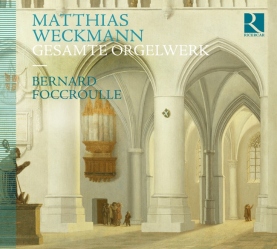
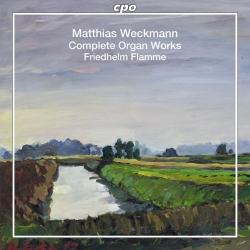
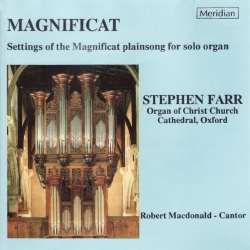
Released Album
Recent Album


Works Info
Composer:Matthias WeckmannGenre:KeyboardStyle:MagnificatAverage_duration:7:46Matthias Weckmann was a German composer and organist of the Baroque era. He was born in 1616 in Thuringia and died in 1674 in Hamburg. Weckmann was a student of Heinrich Schütz and was greatly influenced by his teacher's style. He was also influenced by the Italian Baroque style, which he encountered during his travels to Venice and Rome. Weckmann's Magnificat in the 2nd Tone is a sacred choral work that was composed in the mid-17th century. The piece is based on the text of the Magnificat, which is a hymn of praise to the Virgin Mary. The Magnificat is traditionally sung during the evening prayer service, or Vespers, in the Catholic Church. The Magnificat in the 2nd Tone is written for five voices, with two sopranos, alto, tenor, and bass. The piece is divided into eight movements, each of which corresponds to a different section of the Magnificat text. The movements are as follows: 1. Magnificat anima mea Dominum (My soul magnifies the Lord) 2. Et exultavit spiritus meus in Deo salutari meo (And my spirit rejoices in God my Savior) 3. Quia respexit humilitatem ancillae suae (For he has looked with favor on the lowliness of his servant) 4. Quia fecit mihi magna qui potens est (For he who is mighty has done great things for me) 5. Et misericordia eius a progenie in progenies timentibus eum (And his mercy is for those who fear him from generation to generation) 6. Fecit potentiam in brachio suo (He has shown strength with his arm) 7. Deposuit potentes de sede et exaltavit humiles (He has brought down the powerful from their thrones and lifted up the lowly) 8. Suscepit Israel puerum suum recordatus misericordiae suae (He has helped his servant Israel, in remembrance of his mercy) The Magnificat in the 2nd Tone is characterized by its rich harmonies, expressive melodies, and intricate counterpoint. Weckmann's use of chromaticism and dissonance adds a sense of tension and drama to the piece, particularly in the more dramatic movements such as "Deposuit potentes de sede" and "Fecit potentiam in brachio suo." The piece also features virtuosic vocal writing, particularly in the soprano parts, which are often ornamented with trills and runs. The Magnificat in the 2nd Tone was likely premiered in a church setting, as it was intended for use during the Vespers service. Weckmann's music was highly regarded during his lifetime, and he was considered one of the leading composers of his time. Today, his music is still performed and admired for its beauty and complexity.More....
Works Music
Released Music