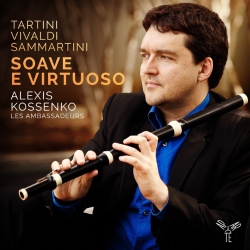
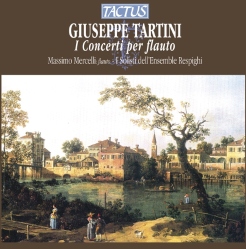
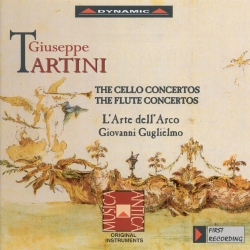
Giuseppe Tartini
Flute Concerto in G major
Released Album
Recent Album
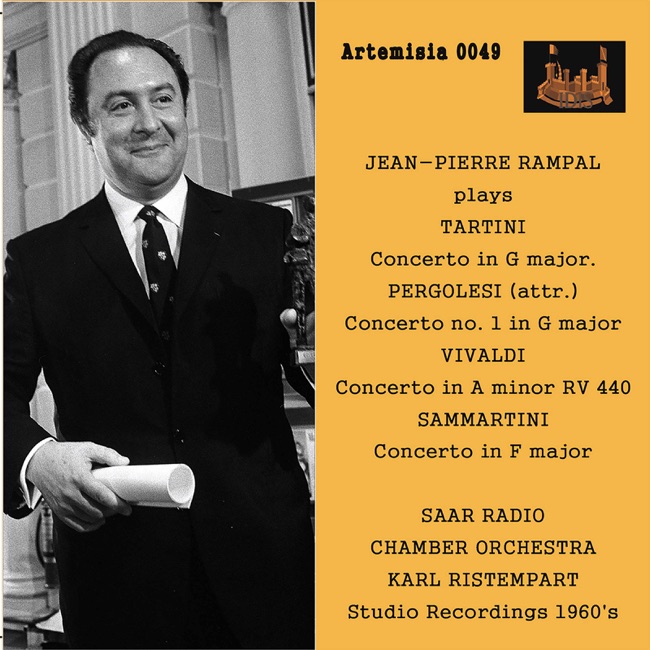
Works Info
Composer:Giuseppe TartiniGenre:ConcertoStyle:ConcertoAverage_duration:10:50Movement_count:3Movement ....Giuseppe Tartini's Flute Concerto in G major is a beautiful and virtuosic work for solo flute and orchestra. It was composed in the early 18th century, around 1728, and premiered in Padua, Italy. The concerto is comprised of three movements: Allegro, Adagio, and Allegro. The first movement, Allegro, is a lively and energetic piece that showcases the technical abilities of the soloist. The flute plays a series of fast and intricate runs, while the orchestra provides a lively accompaniment. The movement is characterized by its use of counterpoint, with the flute and orchestra playing off of each other in a playful and engaging way. The second movement, Adagio, is a slow and lyrical piece that allows the soloist to showcase their expressive abilities. The flute plays a beautiful melody, accompanied by the orchestra in a simple and understated way. The movement is characterized by its use of ornamentation, with the flute adding trills and other embellishments to the melody. The final movement, Allegro, is a fast and lively piece that brings the concerto to a thrilling conclusion. The flute plays a series of fast and virtuosic runs, while the orchestra provides a lively and energetic accompaniment. The movement is characterized by its use of syncopation, with the flute and orchestra playing off of each other in a rhythmic and exciting way. Overall, Tartini's Flute Concerto in G major is a beautiful and engaging work that showcases the technical and expressive abilities of the soloist. Its use of counterpoint, ornamentation, and syncopation make it a challenging and rewarding piece for both the soloist and the orchestra.More....
Works Music
Released Music
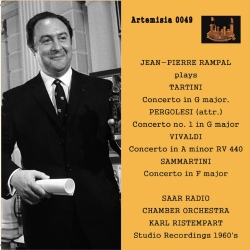
2
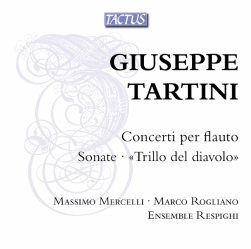
5:12