Dietrich Buxtehude
Schaffe in mir, Gott, BuxWV 95
Released Album
Recent Album
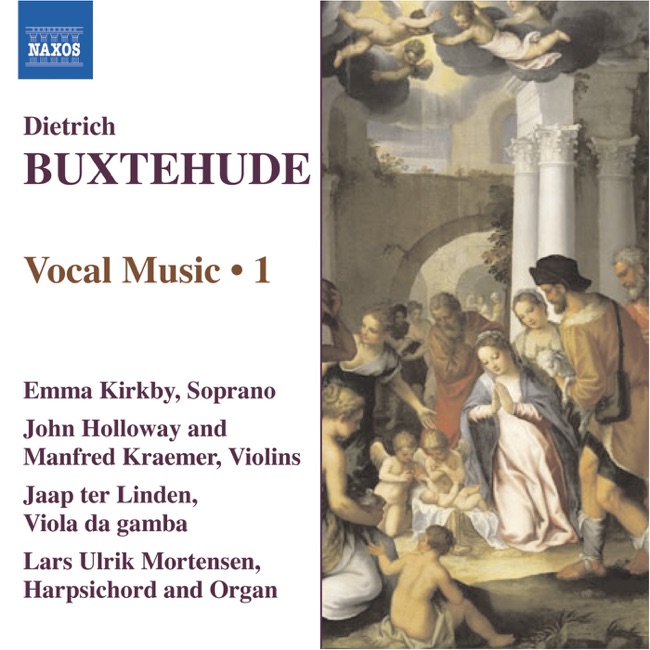
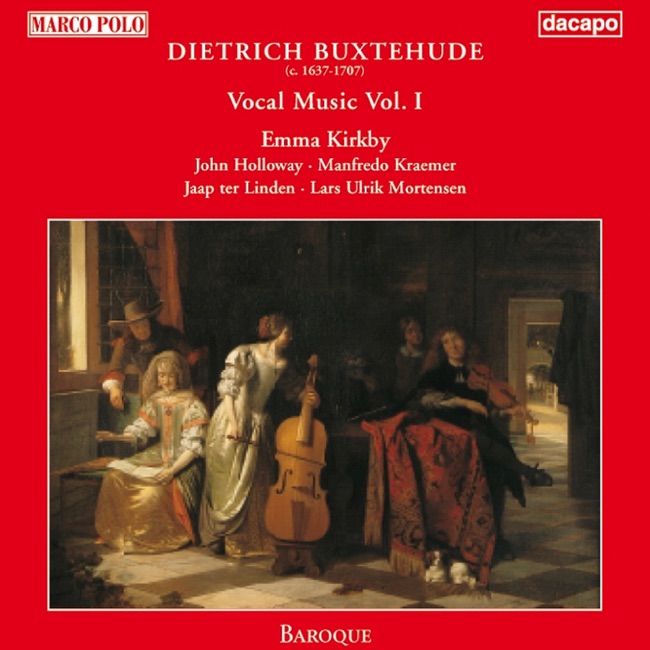
Works Info
Composer:Dietrich BuxtehudeGenre:VocalStyle:Vocal MusicAverage_duration:7:11Dietrich Buxtehude's 'Schaffe in mir, Gott' (BuxWV 95) is a sacred vocal work composed for solo voice, two violins, viola da gamba, and continuo. The piece is believed to have been composed in the late 17th century, during Buxtehude's tenure as the organist at the Marienkirche in Lübeck, Germany. The work is structured in three movements, each of which is based on a biblical text. The first movement is a setting of Psalm 51:10-12, which implores God to create a clean heart within the speaker. The second movement is a setting of Psalm 139:23-24, which asks God to search the speaker's heart and reveal any wickedness within. The final movement is a setting of Psalm 19:14, which asks that the speaker's words and thoughts be pleasing to God. The first movement begins with a solo violin playing a descending melody, which is then taken up by the voice. The violins and viola da gamba provide a rich harmonic accompaniment, while the continuo provides a steady bass line. The second movement is more introspective, with the voice and violins weaving intricate melodies around each other. The final movement is more joyful, with the voice and instruments coming together in a lively dance-like rhythm. Throughout the work, Buxtehude employs a variety of musical techniques to convey the text's meaning. For example, in the first movement, the descending melody represents the speaker's desire to be brought low before God. In the second movement, the intricate melodies represent the complexity of the speaker's inner thoughts and emotions. And in the final movement, the lively rhythm represents the joy and gratitude the speaker feels towards God. Overall, 'Schaffe in mir, Gott' is a beautiful and deeply spiritual work that showcases Buxtehude's skill as a composer and his devotion to his faith. Its intricate melodies, rich harmonies, and expressive text painting make it a masterpiece of the Baroque era.More....
Works Music
Released Music